
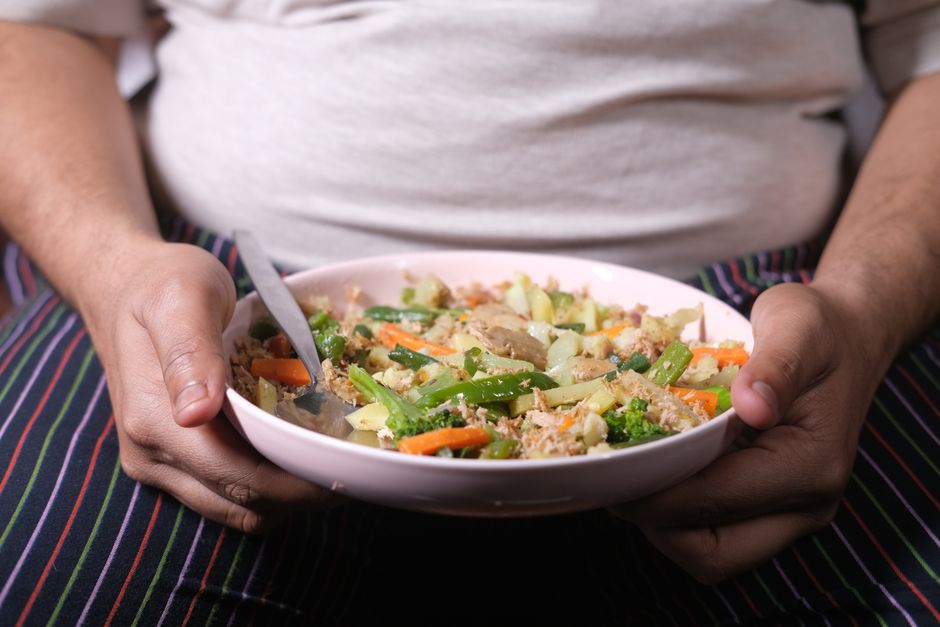
It feels like a betrayal by your own body. You cut back at meals, you say no to dessert, and the scale still climbs. The most common reason is that eating less is not the same as burning more. Your body may be using fewer calories than before, storing more water, or holding onto fat because of hormones, medications, or sleep loss. In many cases, the problem is not how much you eat but what your body is doing with it.
Does Eating Less Always Mean Fewer Calories?
No. Appetite and calorie intake are related, but they are not the same thing. You can eat smaller portions and still take in the same calories if the foods you choose are energy-dense. A handful of nuts, a splash of olive oil, or a large sweetened coffee drink can carry as many calories as a full meal while leaving you hungry.
This is where many people get stuck. They reduce the volume of food but not the calories. Creamy sauces, cheese, butter, and added sugars are easy to eat in small amounts and still add up. Research on energy density consistently shows that people eat a fairly consistent weight of food each day. If that weight is made up of calorie-dense foods, total calories stay high even when portions look modest.
There is a second layer here. How full you feel depends on more than calories. Protein, fiber, and water content all influence satiety. Two meals with identical calories can leave you feeling completely different an hour later. So eating less food does not automatically mean eating fewer calories, and it does not automatically mean feeling satisfied.
Why Am I Eating Less And Gaining Weight?
The core answer is that weight is not controlled by one number. It reflects the balance between calories you absorb and calories you burn, plus shifts in water, hormones, and muscle mass. When that balance tips, the scale moves even if your plate got smaller.
Several well-documented mechanisms explain this pattern:
- Reduced daily movement. When you eat less, you often move less without noticing. This is called adaptive thermogenesis, and it lowers the calories you burn at rest and during activity.
- Loss of muscle. Severe or rapid calorie cutting can break down muscle, which lowers your resting metabolic rate over time.
- Water retention. Hormonal shifts, high sodium intake, and some medications cause the body to hold fluid, which shows up on the scale as weight.
- Slower digestion. Constipation or a change in gut transit can add pounds of retained waste and water.
- Underlying conditions. Thyroid problems, insulin resistance, and polycystic ovary syndrome can all change how the body stores and uses energy.
- Medications. Several common drug classes are linked to weight gain, and this is often overlooked.
- Poor sleep and high stress. Both raise cortisol and appetite hormones, which drives cravings and fat storage.
The scale also lies in small ways. It measures everything, not just fat. A single high-sodium meal can add two or three pounds of water that has nothing to do with body fat. That number can stay elevated for days.
Can Hormones Cause Weight Gain Even When You Eat Less?
Yes. Hormones are chemical messengers that tell your body when to store fat, when to burn it, and when to feel hungry. When they shift, the rules change.
Thyroid hormones are the clearest example. The thyroid sets the pace of your metabolism. When it is underactive, a condition called hypothyroidism, the body burns fewer calories at rest. This can lead to weight gain even when food intake drops. It also causes fatigue, cold intolerance, and constipation. A simple blood test can check thyroid function.
Insulin is another key player. Insulin moves glucose from your blood into your cells. When cells respond poorly to insulin, a state called insulin resistance, the body compensates by making more insulin. Higher insulin levels promote fat storage, especially around the abdomen. This often develops quietly over years.
Cortisol, the main stress hormone, also matters. Long-term stress keeps cortisol elevated. This can increase appetite, shift where fat is stored, and make weight harder to lose. Sleep loss has a similar effect. Even a few nights of poor sleep can raise hunger hormones and lower the hormones that signal fullness.
In women, estrogen shifts during perimenopause and menopause change where fat is stored. Fat moves from the hips and thighs to the abdomen. Total body fat can rise even if eating habits have not changed. This is a normal part of the transition, not a personal failure.
Which Medications Cause Weight Gain?
Several widely prescribed drug classes are linked to weight gain. This is a real and often overlooked cause. If you started a new medication and noticed the scale move, that timing matters.
Drug classes that have been associated with weight gain include:
- Some antidepressants, particularly certain selective serotonin reuptake inhibitors and tricyclics
- Antipsychotic medications
- Corticosteroids
- Some diabetes medications, including insulin and sulfonylureas
- Certain blood pressure medications, such as beta-blockers
- Some hormonal treatments
The effect varies a lot between people and between drugs. Not everyone gains weight on these medications. Some drugs in the same class are weight-neutral or even cause weight loss. If you suspect a medication is involved, do not stop it on your own. Talk to the prescriber about whether a different option might work. Stopping certain medications suddenly can be dangerous.
Could a Medical Condition Be the Real Cause?
Sometimes. Weight gain despite eating less is not always about calories. A few conditions can drive it directly.
Hypothyroidism slows metabolism and is one of the most common medical causes. Cushing syndrome, a disorder of high cortisol, causes weight gain in the trunk, face, and back of the neck. Polycystic ovary syndrome affects insulin and hormone balance and is linked to weight gain and difficulty losing it. Type 2 diabetes and prediabetes change how the body handles glucose and can promote fat storage.
These conditions usually come with other signs, not just weight gain. Fatigue, changes in hair or skin, irregular periods, or unusual fat distribution are clues worth mentioning to a doctor. A medical workup can rule these in or out. It is reasonable to ask about them if the scale is moving against your efforts.
How Do Sleep, Stress, and Age Fit In?
Sleep and stress are not side issues. They act directly on the hormones that control appetite and fat storage.
Short sleep raises ghrelin, the hormone that makes you hungry, and lowers leptin, the hormone that tells you to stop eating. It also raises cortisol. The result is more cravings, especially for high-calorie foods, and a body that is more likely to store fat. This effect shows up in studies even in healthy young adults over just a few nights.
Chronic stress does something similar. It keeps cortisol high, which can increase appetite and shift fat to the abdomen. Stress also disrupts sleep, which compounds the problem.
Age adds another layer. After about age 30, adults tend to lose muscle mass gradually. Muscle burns more calories at rest than fat does. As muscle declines, resting metabolism slows. If eating stays the same, weight creeps up. This is one reason weight gain can happen without any obvious change in diet.
What Actually Helps When Eating Less Is Not Working?
Focus on what your body is doing, not just how much you eat. Crash dieting often backfires because it triggers muscle loss and a slower metabolism. A better approach protects muscle and addresses the real drivers.
Things that tend to help:
- Eat enough protein to protect muscle. This also helps you feel full.
- Add resistance training to build or keep muscle, which supports resting metabolism.
- Prioritize sleep and manage stress, since both affect appetite hormones.
- Track what you actually eat for a week. Portion size and calorie content are not the same.
- Review your medications with a doctor.
- Ask about thyroid, blood sugar, and hormone testing if other signs are present.
None of this guarantees weight loss. Bodies vary, and some conditions make it genuinely harder. What it does is address the causes instead of just the number on the plate. If weight keeps rising despite real effort, that is a signal to look deeper, not to eat even less.
Frequently Asked Questions
Why am I eating less and still gaining weight?
Your body may be burning fewer calories, retaining water, or storing fat because of hormones, medications, or sleep loss. Eating less food does not always mean taking in fewer calories, especially if your meals are energy-dense.
Can a slow thyroid cause weight gain even when I eat less?
Yes. An underactive thyroid lowers the calories your body burns at rest, which can lead to weight gain despite reduced eating. A blood test can check thyroid function.
Do medications really cause weight gain?
Some do. Certain antidepressants, antipsychotics, corticosteroids, diabetes drugs, and beta-blockers have been linked to weight gain, though effects vary between people and drugs. Never stop a medication without talking to your prescriber.
Could stress or poor sleep make me gain weight?
Yes. Short sleep and ongoing stress raise cortisol and change appetite hormones, which increases cravings and fat storage. Both are well-documented contributors to weight gain.
