
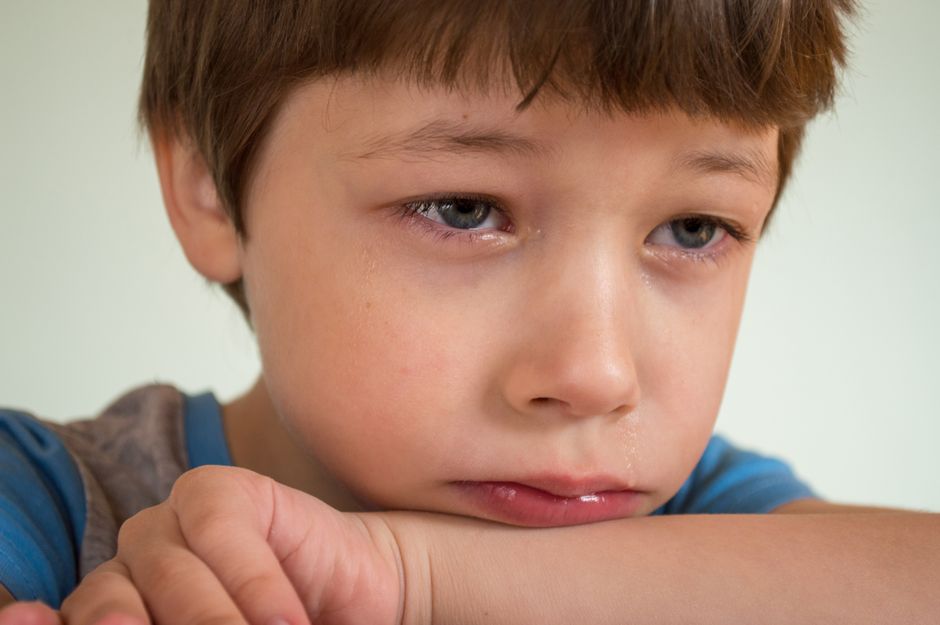
Crying more than usual is your body’s signal that something has shifted — in your hormones, your sleep, your stress load, your mood, or occasionally your physical health. Most of the time the cause is a mix of ordinary factors rather than a single dramatic one. The list below covers the most common reasons adults start tearing up more often, and how to tell which ones might apply to you.
Tears are not a sign of weakness or a character flaw. They are a normal physiological response regulated by the nervous system, and the frequency of crying varies widely between people. What matters is whether the change is new, how long it has lasted, and whether it is affecting your daily life.
Why Am I Crying More Than Usual Common Causes?
Most increases in crying trace back to a handful of recognizable triggers. Stress and emotional overload top the list. When the nervous system stays in a prolonged state of alertness, the threshold for tears drops. Small frustrations that would normally roll off can suddenly bring tears.
Sleep debt is another major contributor. Research consistently shows that sleep loss amplifies emotional reactivity and weakens the brain’s ability to regulate negative feelings. The prefrontal cortex — the part of the brain that helps you keep emotions in check — does not function as well when you are short on sleep. The amygdala, which drives emotional responses, becomes more reactive. The result is a shorter fuse and more tears.
Hormonal shifts are a well-established cause, particularly in women. Fluctuations in estrogen and progesterone across the menstrual cycle, during perimenopause, after childbirth, and in the postpartum period can all affect mood and tearfulness. These are not imagined effects. They reflect measurable changes in how the brain processes emotion.
Grief, even when it is not fresh, can resurface in waves. So can unresolved stress from work, caregiving, relationships, or financial pressure. Sometimes the crying is the first sign that you have been carrying more than you realized.
Other common contributors include:
- Seasonal changes in daylight, which affect mood for some people
- Alcohol use, which can disrupt sleep and lower mood the following day
- Certain medications, including some blood pressure drugs and hormonal treatments
- Thyroid problems, which can cause mood changes alongside fatigue
- Chronic pain or illness, which wears down emotional reserves over time
None of these causes exist in isolation. Most people who notice more crying are dealing with two or three of these at once.
Is Crying More Often a Sign of Depression?
Increased crying can be a symptom of depression, but it is not proof of it. Depression is diagnosed by a cluster of symptoms lasting at least two weeks, and crying is only one possible feature. Many people with depression do not cry more — some cry less or feel numb.
The symptoms that matter more for a depression diagnosis include persistent low mood, loss of interest in things you used to enjoy, changes in appetite or sleep, fatigue, difficulty concentrating, feelings of worthlessness, and in serious cases thoughts of self-harm. If several of these are present alongside increased crying, it is worth talking to a doctor or mental health professional.
There is a distinction worth making here. Crying more after a stressful event, a loss, or a stretch of poor sleep is a normal response that often settles on its own. Crying that comes without a clear trigger, lasts for weeks, or comes with hopelessness or changes in daily functioning is a different picture and deserves a professional evaluation.
Anxiety can also increase tearfulness. Chronic worry keeps the nervous system primed, and that priming makes emotional release more likely. Some people cry more when they are anxious rather than sad.
Can Hormones Make You Cry More?
Yes. Hormonal changes are one of the most well-documented causes of increased tearfulness in women, and the link is strongest around major hormonal transitions.
Premenstrual syndrome affects mood in many women in the days before a period. The hormone shifts involved can increase irritability, sadness, and tearfulness. A smaller number of women have premenstrual dysphoric disorder (PMDD), a more severe condition with marked mood symptoms that warrants medical care.
Perimenopause — the transition years before menopause — is often when women notice mood changes and more crying. Estrogen levels fluctuate unpredictably during this time, and sleep disruption from hot flashes and night sweats adds to the emotional load. Some research suggests that sensitivity to normal hormone fluctuations, rather than the hormone levels themselves, may explain why some women experience more mood symptoms during this transition.
After childbirth, the sharp drop in estrogen and progesterone contributes to the “baby blues” that many women experience in the first couple of weeks. Postpartum depression is more serious and lasts longer. It is a recognized medical condition, not a failure of character, and it is treatable. Any woman who feels persistently low, hopeless, or unable to cope after giving birth should contact her doctor.
Men are not immune to hormonal effects on mood, though the picture is less clearly defined. Testosterone levels decline gradually with age, and low testosterone has been associated with low mood in some men. The evidence here is less consistent than for women’s hormonal transitions, and the relationship is not fully understood.
When Should You See a Doctor About Crying More Than Usual?
You should see a doctor if increased crying lasts more than two weeks, comes with no clear trigger, or starts affecting your work, relationships, or ability to care for yourself. These are reasonable thresholds, not rigid rules — if something feels wrong, that is enough reason to get checked.
Certain signs warrant a faster conversation with a clinician:
- Thoughts of harming yourself or others
- Feeling hopeless or worthless most days
- Crying that interferes with sleep, eating, or daily tasks
- Physical symptoms alongside the crying, such as unexplained weight change, fatigue, or palpitations
- Crying that begins after starting a new medication
A doctor can help rule out physical causes. Thyroid disorders, anemia, and some vitamin deficiencies can produce mood changes and fatigue. A simple blood test can check for these. Medication side effects are also worth reviewing — some drugs affect mood, and a doctor can assess whether a switch is appropriate.
If a physical cause is ruled out, the next step is usually a conversation about mental health. This might involve a screening questionnaire, a referral to a therapist, or a discussion about treatment options. There is no single right path, and the choice depends on what is driving the crying and how much it is affecting your life.
What Helps When You Are Crying More Than Usual?
The most useful first step is to look at sleep, stress, and alcohol — the three factors most within your control that affect emotional regulation. Protecting sleep, reducing alcohol, and building in small breaks from stress can meaningfully change how often you tear up.
Sleep is not a luxury. Adults generally need seven or more hours per night, and consistently falling short makes emotional regulation harder. If you are waking unrested, that alone is worth addressing.
Physical activity has a well-established effect on mood. You do not need an intense program. Regular walking or other moderate activity is enough for many people to notice a difference over weeks, not days.
Talking helps. Whether it is a friend, a family member, or a therapist, putting feelings into words can reduce their intensity. This is not just folk wisdom — expressing emotion verbally is a recognized way to process it.
If the crying is tied to a hormonal transition, a doctor can discuss options. For perimenopause and postpartum mood changes, there are evidence-based treatments. For premenstrual symptoms, some approaches have more evidence behind them than others, and a clinician can help sort through what is worth trying.
One clarification worth making: crying itself is not harmful. It does not weaken you, and holding it back is not a sign of strength. The goal is not to stop crying — it is to understand what the crying is telling you.
Is It Normal to Cry More as You Get Older?
Some people do notice more crying with age, but the reasons vary. Life changes — loss of loved ones, retirement, health issues, children leaving home — can increase emotional load. Sleep quality often declines with age. Medications accumulate. Hormonal shifts affect women during perimenopause and beyond.
The evidence does not show that aging itself causes more crying. What changes is the context: more losses, more stress, sometimes less social support. If you are crying more in your 50s or 60s and cannot point to a clear reason, it is worth mentioning to a doctor, especially if it comes with fatigue, low mood, or changes in sleep.
Older adults are sometimes less likely to report mood symptoms, and depression in later life can look different — more physical complaints, less obvious sadness. Increased crying in this group deserves attention rather than being written off as a normal part of aging.
Frequently Asked Questions
Why am I crying more than usual for no reason?
Crying without an obvious trigger often points to accumulated stress, poor sleep, or hormonal shifts rather than a single event. If it lasts more than two weeks or comes with low mood, it is worth talking to a doctor.
Can lack of sleep make you cry more?
Yes. Sleep loss weakens the brain’s ability to regulate emotion and makes the emotional centers more reactive. Even a few nights of poor sleep can lower your threshold for tears.
Is crying more a sign of perimenopause?
It can be. Fluctuating estrogen and progesterone during perimenopause affect mood for many women, and sleep disruption from hot flashes adds to the effect. A doctor can help assess whether hormonal changes are contributing.
When should I worry about crying more than usual?
Seek medical advice if increased crying lasts more than two weeks, has no clear cause, or interferes with daily life. Thoughts of self-harm require immediate help.
