
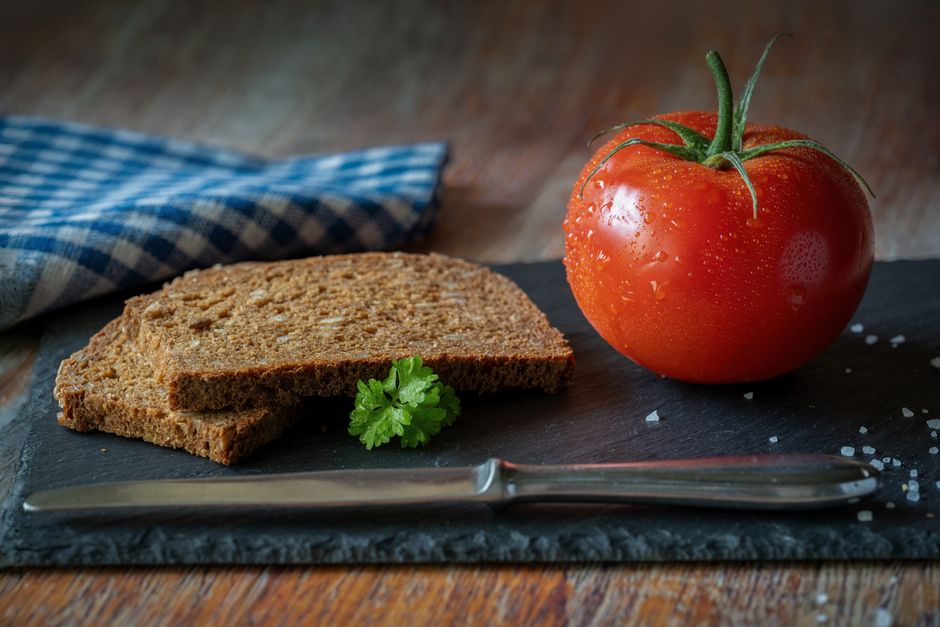
Craving tomatoes with salt usually comes down to one of three things: your body wants sodium, you are mildly dehydrated, or your brain has learned to associate the salty-tomato taste with reward. Tomatoes are naturally rich in glutamate, an amino acid that creates savory flavor, and salt intensifies that taste. Cravings are not a reliable sign of a vitamin deficiency, despite what you may read online. They are a normal mix of biology, habit, and environment.
Why Am I Craving Tomatoes With Salt Key Causes?
The most common reason is sodium. Your body regulates sodium tightly, and when levels drop, appetite signals shift toward salty foods. That can happen after sweating, illness, or simply eating less salt than usual.
Tomatoes add a second layer. They contain glutamate and other compounds that produce umami, the savory taste that makes food satisfying. Salt amplifies umami, so a salted tomato delivers a stronger flavor hit than most snacks. That combination is genuinely rewarding to the brain.
Habit matters too. If you grew up eating tomatoes with salt in summer, or you eat them regularly as a snack, your brain links the taste to comfort and familiarity. Cravings often follow patterns you have repeated many times.
One clarification worth making: craving a specific food is not the same as your body “telling you” you need a specific nutrient. That idea is popular but poorly supported. Most food cravings track with habit, emotion, and availability more than with nutrient status.
Does Craving Salt Mean Your Body Needs Sodium?
Sometimes yes, often no. True sodium need does drive salt appetite, but the threshold is usually higher than people assume.
Sodium appetite is well documented in animals and in some human situations. Research on athletes, people working in heat, and people with certain medical conditions shows that significant sodium loss can increase preference for salty foods. In everyday life, most adults in the US already consume more sodium than recommended, so a salt craving is rarely a sign of deficiency.
There are exceptions worth knowing. People taking certain diuretics, people with adrenal conditions, and people who sweat heavily for hours can genuinely lose meaningful sodium. In those cases, salt appetite has a real physiological basis.
For most people, though, the craving is about taste and habit. If you eat a low-salt diet for a while, salty foods start to taste stronger, and your preference can shift. The reverse is also true: regular high-salt eating tends to raise your tolerance and your preference for salt.
What Is the Connection Between Tomatoes, Glutamate, and Salt?
Tomatoes are one of the richest natural sources of glutamate. That is why they taste savory even without added salt. Ripe tomatoes contain more glutamate than unripe ones, which is part of why a summer tomato tastes so different from a winter one.
Salt does something specific here. Sodium enhances perceived sweetness and suppresses bitterness, and it strengthens umami. When you salt a tomato, you are not just adding saltiness. You are changing how your tongue perceives the whole fruit.
This is why salted tomatoes feel more satisfying than unsalted ones to many people. The flavor is more complete. Your brain registers that as a better eating experience, and it remembers.
There is also a texture and juiciness factor. Salt draws water out of tomato tissue, softening it slightly and concentrating flavor at the surface. That small change can make the snack feel more substantial.
Is Craving Tomatoes a Sign of a Vitamin Deficiency?
No reliable evidence supports the idea that craving tomatoes signals a specific vitamin deficiency. This claim circulates widely online but has not been confirmed in clinical research.
Nutrient deficiencies do cause some specific appetite changes. Iron deficiency can drive cravings for ice or non-food items, a condition called pica. But craving a normal food like tomatoes is not a recognized sign of any common deficiency.
If you are worried about nutrient status, a blood test is a far better guide than food cravings. Symptoms like fatigue, unusual paleness, or persistent changes in appetite are worth discussing with a clinician. A tomato craving on its own is not.
When Should a Salt Craving Concern You?
An unusual, persistent, intense salt craving is worth mentioning to a doctor. It is uncommon, but it can occur with certain hormonal and kidney conditions.
Watch for a few specific patterns:
- A sudden, strong new preference for salt that you did not have before
- Craving plain salt or salty foods constantly, not just occasionally
- Salt craving along with unusual thirst, frequent urination, or unexplained fatigue
- Salt craving alongside dizziness or lightheadedness when standing
These do not mean something is wrong. They simply mean a clinician should look at the bigger picture. Most people with a salt craving have a normal explanation.
If you have high blood pressure, heart failure, or kidney disease, talk with your clinician before increasing salt intake based on a craving. Sodium guidance for these conditions is specific and individualized.
How Do You Handle a Tomato and Salt Craving?
You do not need to fight it. A tomato with a light sprinkle of salt is a low-calorie snack with real nutritional value. Tomatoes provide vitamin C, potassium, and lycopene, a carotenoid studied for its role in health.
A few practical approaches:
- Salt lightly rather than heavily. A small pinch changes flavor more than most people expect.
- Try other umami-rich foods if you want the savory hit with less sodium, such as mushrooms or a small amount of Parmesan.
- Drink water if you suspect mild dehydration is driving the craving.
- Notice when the craving shows up. If it is always at the same time or in the same mood, it may be habit rather than need.
There is no clinical guideline that sets a “safe” amount of salt for a craving. General dietary guidance for most adults is to keep sodium intake moderate, but individual needs vary. If you are unsure about your sodium intake, your clinician can help you put it in context.
One useful thing to know: salt preference is changeable. Studies on taste adaptation show that reducing salt for several weeks tends to lower how much salt you prefer. Your taste buds adjust. The craving often fades with it.
Does the Type of Tomato Matter?
Riper tomatoes generally have more glutamate and taste more savory. That can make the craving feel stronger with a good summer tomato than with a pale, out-of-season one.
Processed tomato products like paste and sun-dried tomatoes are more concentrated in glutamate and naturally occurring sodium. That is part of why they taste so intense. Fresh tomatoes contain very little sodium on their own.
If you are watching sodium, fresh tomatoes are the better choice. If you are not, the difference is small for a normal serving.
Frequently Asked Questions
Why am I craving tomatoes with salt?
The most common causes are sodium appetite, mild dehydration, and habit. Tomatoes are rich in glutamate, and salt strengthens that savory flavor, which makes the combination especially rewarding.
Does craving salt mean I have a sodium deficiency?
Usually not. Most adults in the US eat more sodium than recommended, so a salt craving is rarely a sign of low sodium. Significant sodium loss from heavy sweating or certain medications can drive salt appetite, but that is less common.
Can craving tomatoes mean I need iron or another vitamin?
No clinical evidence links tomato cravings to a specific vitamin deficiency. Iron deficiency can cause cravings for ice or non-food items, but craving a normal food like tomatoes is not a recognized sign of deficiency.
Is it healthy to eat tomatoes with salt every day?
A tomato with a light sprinkle of salt is a low-calorie snack with vitamin C, potassium, and lycopene. The main concern is total sodium intake, so keep the salt modest and consider your overall diet.
