
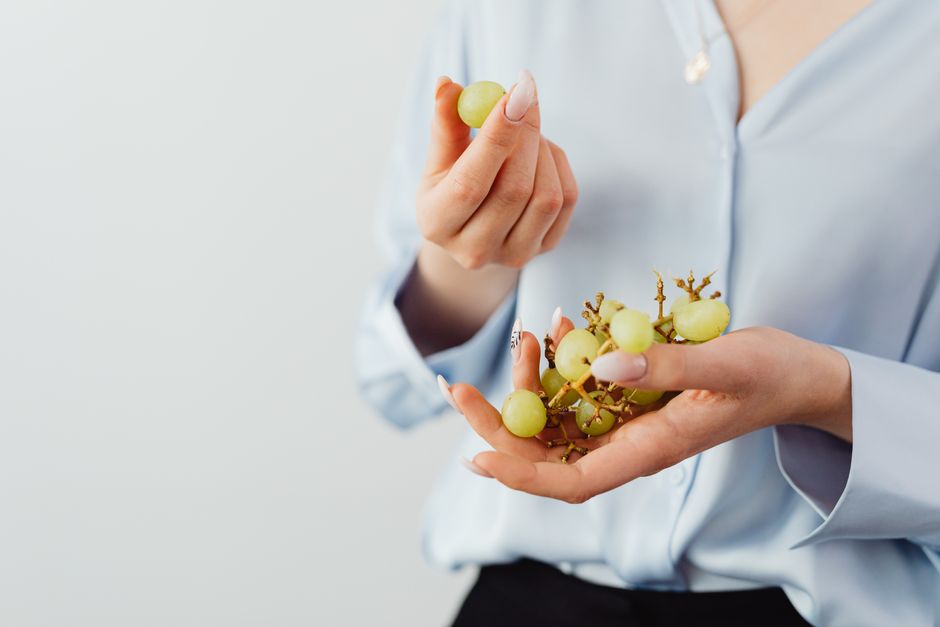
A craving for grapes is usually your body’s normal response to hunger, thirst, or habit — not a sign of a hidden disease. Grapes are sweet, watery, and easy to eat, so the brain learns to want them when it needs quick energy or fluid. Most grape cravings are harmless. A few situations, like unexplained cravings paired with fatigue or dizziness, are worth mentioning to a doctor.
Why Am I Craving Grapes Causes And What It Means
Cravings are not random. They come from a mix of biology, psychology, and environment.
The biology part is straightforward. Your brain runs on glucose, and it rewards you with dopamine when you eat something sweet. Grapes deliver sugar in a form the body absorbs quickly. That reward loop is why a food you enjoy can become a food you reach for again and again.
Thirst is a bigger driver than most people realize. Grapes are roughly 80 percent water by weight, according to USDA food data. If you are mildly dehydrated, your body may push you toward watery foods without you consciously connecting the two. That is one reason fruit cravings spike in hot weather or after exercise.
Habit and memory also matter. If grapes were a regular snack in your home, or if you associate them with a specific time of day, the craving can be a learned cue rather than a physical need. This is normal and does not mean anything is wrong.
What it usually means: you are hungry, thirsty, or responding to a familiar trigger. What it rarely means: a specific vitamin deficiency. There is a popular idea that cravings point to missing nutrients. The evidence for that is weak. Most research has not found a reliable link between a single food craving and a single nutrient gap.
Can A Grape Craving Mean A Nutrient Deficiency?
The short answer is that food cravings are a poor guide to nutrient status.
The idea that cravings signal deficiency is old and appealing, but studies have not supported it well. People with iron deficiency sometimes report craving ice, dirt, or other non-food items — a condition called pica. That is a specific and unusual pattern, not a general “craving a food means you need a nutrient” rule. Craving grapes does not fit that pattern.
If you genuinely have a deficiency, it usually shows up in other ways first:
- Persistent tiredness or weakness
- Pale skin or shortness of breath with mild activity
- Numbness or tingling in hands and feet
- Mouth sores or a sore tongue
- Unusual hair or nail changes
A craving alone, without any of these, is not a reason to assume you are deficient. If you have several of these symptoms, that is worth a conversation with a clinician and possibly a blood test. Do not start supplements based on a craving.
Is Craving Grapes A Sign Of Diabetes Or Blood Sugar Problems?
A craving for sweet food by itself is not a sign of diabetes.
There is a common worry that wanting something sweet means your blood sugar is out of control. That is not how it works. Wanting sugar is a normal human trait. It does not diagnose anything.
What does matter is the bigger picture. Diabetes is diagnosed through blood tests, not symptoms or cravings. Fasting glucose between 70 and 99 mg/dL is considered normal. A fasting level of 126 mg/dL or higher on two separate tests supports a diabetes diagnosis. Those numbers come from standard diagnostic criteria, not from how you feel.
Symptoms that would actually prompt testing include:
- Excessive thirst that does not go away
- Frequent urination, especially at night
- Blurred vision
- Unexplained weight loss
- Slow-healing wounds
If you have several of these, see a clinician. If you just like grapes, that is not a warning sign.




Could A Grape Craving Be Linked To Pregnancy?
Pregnancy can change taste and appetite, and cravings are commonly reported.
Many pregnant women report strong cravings for specific foods, including fruit. The reasons are not fully understood. Hormonal shifts, changes in smell and taste, and increased energy needs all likely play a role. Some clinicians note that cravings are common in pregnancy, but the research on why is limited.
One caution worth stating plainly: if you are pregnant and craving non-food items like ice, chalk, or clay, tell your doctor. That pattern can be linked to iron deficiency and needs proper evaluation.
For ordinary grape cravings during pregnancy, there is no specific concern. Grapes are a source of water, carbohydrate, and some vitamins. The main practical issue is quantity — grapes are sugary, and eating a very large amount at once can spike blood sugar and add up in calories. There are no clinical guidelines that set a specific recommended amount of grapes for pregnancy. Normal portions as part of a balanced diet are the sensible approach.
Do Grape Cravings Change With Age Or Medication?
Yes, in some cases. Both age and certain medications can shift how food tastes and what you want to eat.
As people get older, taste and smell sensitivity often decline. Foods may taste duller, and sweeter or more flavorful foods can become more appealing. This is a normal part of aging, not a disorder.
Some medications list changes in taste or appetite as side effects. This varies widely by drug. If a craving started around the same time as a new medication and bothers you, ask your pharmacist or doctor whether it could be related. Do not stop a prescribed medication on your own.
Mood matters too. Stress, low mood, and boredom can all increase cravings for sweet foods. This is well documented and not a personal failing. It is how appetite and emotion interact in the brain.
When Should You Take A Grape Craving Seriously?
Most grape cravings need no attention at all. A few patterns are worth a medical check.
See a clinician if a craving comes with any of these:
- Craving non-food items like ice, dirt, or paper
- Constant thirst or frequent urination
- Fatigue that does not improve with rest
- Dizziness, pale skin, or breathlessness
- Unexplained weight change
- A craving that feels out of control or disrupts daily life
These signs do not point to one specific condition. Several different problems can cause similar symptoms, and only a clinician with tests can sort out which, if any, apply to you. That uncertainty is real and worth respecting.
If none of these apply, the honest position is that your craving is likely normal appetite at work. Enjoy the grapes.
Are Grapes A Healthy Choice To Satisfy The Craving?
Grapes are a reasonable snack. They provide water, carbohydrate, vitamin C, and vitamin K, along with some fiber and antioxidants.
They are also high in sugar relative to their size, which is worth knowing if you are watching blood sugar or calories. A cup of grapes contains a meaningful amount of natural sugar. That is not a reason to avoid them, but it is a reason to eat them in normal portions rather than by the handful all day.
If you want the craving to feel more filling, pairing grapes with a protein or fat source — like a small amount of cheese, yogurt, or nuts — tends to keep you satisfied longer than grapes alone. This is a practical strategy, not a medical treatment.
Frozen grapes are a common alternative. They take longer to eat, which can slow you down and make a smaller portion feel like more.
Frequently Asked Questions
Why am I suddenly craving grapes?
A sudden grape craving is most often linked to hunger, thirst, or a familiar cue like a certain time of day. It is not usually a sign of a medical problem.
Does craving grapes mean I have a vitamin deficiency?
No, cravings are not a reliable sign of a specific nutrient deficiency. Real deficiencies usually show up as symptoms like fatigue, tingling, or mouth sores, and are confirmed by blood tests.
Can craving grapes be a sign of diabetes?
No, wanting sweet food does not indicate diabetes. Diabetes is diagnosed through blood tests, and symptoms like constant thirst or frequent urination matter far more than a craving.
Is it normal to crave grapes during pregnancy?
Yes, food cravings are commonly reported during pregnancy and fruit cravings are not unusual. If you crave non-food items like ice or clay, tell your doctor, since that pattern can be linked to iron deficiency.
