
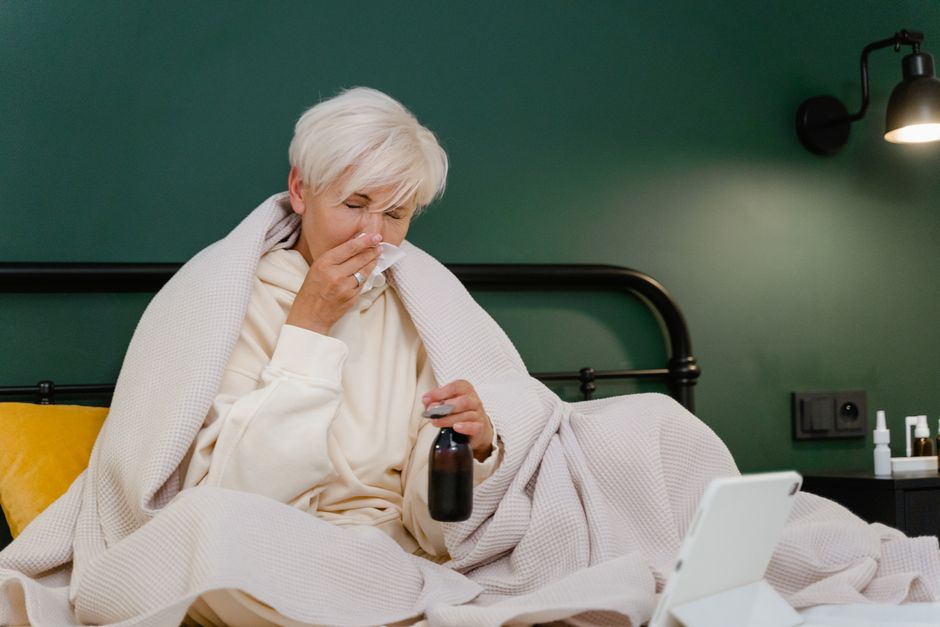
If you wake up shivering in the middle of the night and then feel overheated and sweaty by morning, you are not imagining it. The most common reason is your body’s core temperature rhythm. Core temperature is not steady. It naturally falls to its lowest point in the early morning hours, around 4 to 6 a.m. for most people, and rises toward evening. Feeling cold at night and hot in the morning usually reflects that normal daily swing, though hormones, sleep environment, medications, and some health conditions can make the swing feel much stronger.
Why Am I Cold At Night And Hot In The Morning?
Your body runs on a roughly 24-hour internal clock, and body temperature is one of its most reliable outputs. Core temperature typically drops by about 1 to 2 degrees Fahrenheit across the night, reaching its lowest point in the pre-dawn hours. That drop is part of how sleep begins and is maintained.
Here is the part many people miss. The feeling of being cold is not just about the number on a thermometer. It is about how your skin and blood vessels respond. As core temperature falls, blood flow to the skin changes, and your perception of cold can shift even when your actual temperature is normal. So the “cold at night” feeling is often your body’s normal cooling process being sensed more strongly than usual.
Then, as morning approaches, the clock signals core temperature to climb again. Blood vessels near the skin widen, you may start to sweat, and you can feel hot or flushed right as you wake. For many people this is simply the daily rhythm doing its job. It becomes worth investigating when the pattern is new, intense, or comes with other symptoms.
Is It Normal to Feel Cold at Night and Hot in the Morning?
Yes, in many cases this is a normal pattern. The daily rise and fall of core temperature is well established in physiology. What varies is how strongly each person feels it.
Several everyday factors can make the normal swing feel more extreme:
- Sleep environment. A warm room, heavy blankets, or a mattress that traps heat can push your temperature up by morning.
- Bedding changes. Thick winter bedding in a heated room often leads to overheating by dawn.
- Alcohol in the evening. Alcohol can widen blood vessels and disrupt temperature regulation during sleep.
- Spicy food or a heavy meal late at night. These can raise body temperature and interfere with sleep.
- Age. Temperature regulation and sweating patterns change with age.
When the pattern is mild, consistent, and not accompanied by other symptoms, it usually does not point to a medical problem. The picture changes when the hot-and-cold feeling is new, severe, or disruptive to sleep night after night.
When Could Hormones Be the Cause?
Hormones are a common reason the cold-then-hot pattern feels intense, especially in women. Estrogen and progesterone influence how the body regulates temperature and how the blood vessels respond to temperature changes.
During perimenopause and menopause, falling and fluctuating estrogen levels can make the body’s temperature control center more sensitive. This is the mechanism behind hot flashes and night sweats. A hot flash is essentially the body sensing that it is too warm and triggering a strong cooling response, including sweating and flushing. Feeling cold at night and hot in the morning can be part of that same disrupted regulation.
This is not limited to menopause. Hormonal shifts around the menstrual cycle, during pregnancy, and after childbirth can also change temperature regulation. Thyroid hormones matter too. An overactive thyroid can raise body temperature and cause sweating, while an underactive thyroid can make a person feel cold. Because thyroid problems can produce a range of symptoms, they are usually identified through blood tests rather than by the temperature pattern alone.





Can Medications and Health Conditions Cause This?
Yes. Several medications and health conditions can affect temperature regulation and produce a cold-then-hot pattern.
Medications that can influence body temperature or sweating include some antidepressants, blood pressure medications, and hormone therapies. If a pattern started or worsened after a medication change, that timing is worth mentioning to a clinician.
Health conditions that can play a role include:
- Fever and infection. A rising fever often causes chills first, then sweating as the temperature peaks and falls.
- Thyroid disorders. Both overactive and underactive thyroid can affect how warm or cold you feel.
- Low blood sugar. This can cause sweating, shakiness, and feeling cold or clammy.
- Anxiety. Anxiety can trigger sweating and flushing along with a sense of being too warm or too cold.
- Sleep disorders. Conditions that disrupt sleep can disturb normal temperature regulation.
Fever is worth highlighting because the pattern is distinctive. When your body fights an infection, it often raises its internal set point. That produces chills as the body tries to warm up to the new target. Once the fever breaks, the body cools down and you sweat. If the cold-then-hot pattern comes with a measured fever, body aches, or other signs of illness, that is a different situation from the everyday temperature rhythm.
How Can You Tell the Difference Between Normal and Concerning?
The key is the pattern and what comes with it. A mild daily rhythm that you have had for a long time is usually not a concern. A pattern that is new, worsening, or paired with other symptoms deserves a closer look.
Signs that point toward talking with a clinician include:
- A measured fever, especially if it lasts more than a few days
- Night sweats heavy enough to soak bedding or clothing
- Unexplained weight loss or weight gain
- Unintentional changes in heart rate or feeling unusually shaky
- Symptoms that started after a new medication
- Patterns that severely disrupt sleep most nights
Night sweats are worth taking seriously because they can have several causes, and some are medical. Heavy sweating at night is different from simply feeling warm. If you are changing sheets because of sweat, that is a reason to get it checked rather than assume it is normal.
What Actually Helps?
For the everyday version of this pattern, small changes to your sleep environment and routine often make a real difference. These are practical steps, not treatments for a medical condition.
- Keep the bedroom cool. A cooler room supports the natural nighttime drop in core temperature.
- Use layers you can remove. Light bedding that you can adjust is easier to manage than one heavy blanket.
- Limit alcohol in the evening. It can disrupt temperature regulation during sleep.
- Avoid heavy or spicy meals close to bedtime.
- Choose breathable sleepwear and sheets. Moisture-wicking fabrics can help with sweating.
- Keep a consistent sleep schedule. Your temperature rhythm is tied to your body clock, and a steady routine supports it.
If hormones are the likely cause, the everyday steps above may help but often do not fully resolve intense symptoms. Options for managing hormonal hot flashes and night sweats exist, and they are best discussed with a clinician who knows your history. The evidence for different approaches varies, so what works for one person may not work for another.
One clarification worth making: feeling cold at night and hot in the morning is not automatically a sign of a hormone problem or a thyroid issue. The normal daily temperature rhythm explains many cases on its own. The reason to look further is when the pattern is strong, new, or comes with other symptoms.
Frequently Asked Questions
Why am I cold at night but hot in the morning?
Your core body temperature naturally drops overnight and rises toward morning, which can make you feel cold at night and warm or sweaty when you wake. Hormones, medications, and sleep environment can make this normal swing feel much stronger.
Is feeling cold at night and hot in the morning a sign of menopause?
It can be, because falling estrogen levels affect the body’s temperature control and can cause hot flashes and night sweats. However, the same pattern can occur for many other reasons, so it is not a reliable sign on its own.
When should I worry about night sweats?
Night sweats heavy enough to soak your bedding or clothing, especially with fever, weight loss, or symptoms that keep disrupting sleep, are worth discussing with a clinician. Mild warmth at night is common and usually not concerning.
Can thyroid problems cause you to feel cold at night and hot in the morning?
Yes, thyroid disorders can affect temperature regulation, with an overactive thyroid often causing sweating and an underactive thyroid often causing cold feelings. Thyroid issues are usually identified through blood tests rather than by the temperature pattern alone.
