
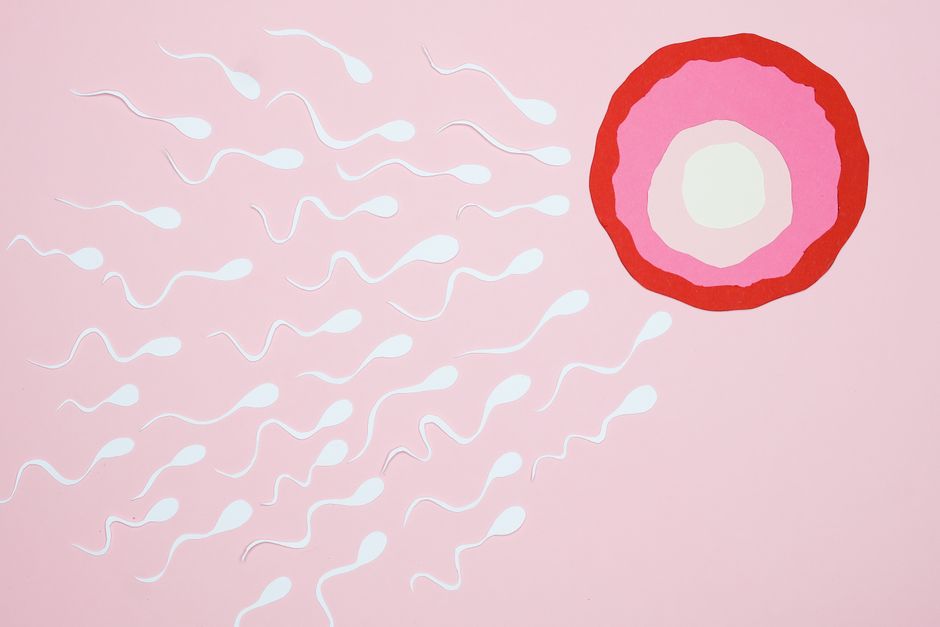
Ovulation bleeding is light spotting that happens in the middle of your cycle, usually around day 14 in a 28-day cycle. It occurs when a mature egg is released from the ovary, causing a small drop in estrogen and a brief dip in the uterine lining. Most cases are harmless, but the timing and pattern matter because other causes of mid-cycle bleeding need to be ruled out.
What Causes Bleeding During Ovulation?
The short answer is hormones. In the days right before an egg is released, estrogen peaks, then drops sharply after ovulation. That sudden drop can cause a small amount of the uterine lining to shed. The result is light spotting or a few drops of blood, not a full flow.
The follicle that holds the egg also ruptures when the egg is released. This rupture involves tiny blood vessels on the surface of the ovary. Some of that blood can travel through the fallopian tube and show up as spotting. This is a normal part of the ovulatory process, not a sign that something has gone wrong.
There is one detail worth clarifying. Ovulation bleeding is not the same as mittelschmerz, the one-sided pelvic pain some people feel at mid-cycle. Mittelschmerz is caused by the follicle stretching and rupturing. Bleeding and pain can happen together, but they have different mechanisms. You can have one without the other.
How Do You Know If It Is Ovulation Bleeding?
Timing is the main clue. Ovulation bleeding happens roughly 10 to 16 days after the first day of your last period, depending on your cycle length. It lasts a few hours to about two days. The blood is usually light pink or brown, not bright red, and the amount is small — typically spotting rather than a flow that requires a pad or tampon.
Other signs of ovulation can help confirm the pattern:
- A slight rise in basal body temperature, which happens after ovulation
- Clear, stretchy cervical mucus in the days before
- Mild one-sided pelvic pain
- A positive result on an ovulation predictor kit, which detects the LH surge
If bleeding happens at the same point in your cycle more than once, that pattern makes ovulation bleeding more likely. If it happens at random times, the cause is probably something else.
What Else Can Cause Mid-Cycle Bleeding?
Mid-cycle bleeding is not always ovulation bleeding. Several other conditions produce bleeding between periods, and some of them need medical attention.
Hormonal contraception is one of the most common causes of breakthrough bleeding. Birth control pills, implants, injections, and hormonal IUDs can all cause spotting, especially in the first few months of use. This is different from ovulation bleeding because hormonal contraception usually prevents ovulation.
Infections such as chlamydia, gonorrhea, and pelvic inflammatory disease can cause bleeding between periods. So can cervical inflammation from other causes. These often come with discharge, odor, pain, or bleeding after sex.
Structural issues in the uterus can also cause bleeding. These include fibroids, polyps, and adenomyosis. Endometriosis does not typically cause mid-cycle bleeding on its own, but it can cause pelvic pain that gets confused with ovulation pain.
Thyroid problems and other hormonal imbalances can disrupt the cycle and cause irregular bleeding. So can perimenopause, when cycles become unpredictable and bleeding patterns change.
Pregnancy-related bleeding is possible. Implantation bleeding happens roughly 6 to 12 days after conception, which can overlap with when ovulation bleeding would be expected. If there is any chance you could be pregnant, this matters.
Serious causes are rare but possible. Cervical or endometrial cancer can cause abnormal bleeding. This is uncommon, especially in younger people, but it is one reason why persistent or unusual bleeding should be evaluated rather than assumed to be ovulation-related.





When Should You See a Doctor About Ovulation Bleeding?
Occasional light spotting at mid-cycle that follows a clear pattern is usually not a concern. But there are situations where you should get checked.
See a healthcare provider if:
- Bleeding is heavy enough to require a pad or tampon, or lasts more than two days
- Bleeding happens at random times, not just mid-cycle
- You have pain that is severe, ongoing, or getting worse
- You have bleeding after sex
- You have unusual discharge, fever, or pelvic pain
- You might be pregnant
- You are over 45 and have new irregular bleeding
- The pattern changes and stays changed
There is no single test that confirms ovulation bleeding. A provider will usually start with your cycle history, then decide whether an exam, ultrasound, blood tests, or other evaluation is needed. The goal is to rule out other causes and confirm the pattern.
How Is Ovulation Bleeding Treated?
Most ovulation bleeding does not need treatment. If the bleeding is light and predictable, and other causes have been ruled out, no intervention is required.
If the spotting is bothersome, some clinicians recommend hormonal contraception to stabilize the cycle and reduce mid-cycle bleeding. This is a common clinical practice rather than a strongly evidence-based recommendation for this specific issue. It works by preventing ovulation and keeping hormone levels steady, which can eliminate the estrogen drop that triggers the spotting.
Nonsteroidal anti-inflammatory drugs (NSAIDs) are sometimes used for ovulation pain. Whether they reduce ovulation bleeding specifically is not well established. They do not treat the underlying cause of bleeding and should not be used long-term without medical guidance.
No clinical guidelines exist for treating ovulation bleeding in pregnancy, because ovulation does not occur during pregnancy. If you are pregnant and bleeding, that is a different situation and should be evaluated promptly.
Does Ovulation Bleeding Affect Fertility?
Ovulation bleeding itself does not affect fertility. It is a sign that ovulation is happening, which is necessary for pregnancy. In fact, if you are tracking your cycle to conceive, mid-cycle spotting can sometimes help confirm that you are in your fertile window.
That said, the bleeding is not a reliable fertility marker on its own. Not everyone who ovulates bleeds, and not everyone who bleeds at mid-cycle is ovulating. If you are trying to conceive, ovulation predictor kits, basal body temperature tracking, and cervical mucus changes are more reliable indicators.
The bigger concern is when mid-cycle bleeding is caused by something other than ovulation. Conditions like thyroid disorders, polyps, or infections can affect fertility if left untreated. This is another reason to get persistent or unusual bleeding checked rather than assuming it is normal.
What Does the Evidence Actually Show?
Ovulation bleeding is described in medical literature as a normal variant of the menstrual cycle. The mechanism — a mid-cycle estrogen drop and follicle rupture — is well established in reproductive physiology.
What is less clear is how common it is. Estimates vary widely because many people do not notice light spotting or do not track their cycles closely enough to identify the pattern. Some studies suggest it happens in a minority of cycles, but the numbers are not consistent across research.
The evidence on treatment is also limited. Most of what is known comes from clinical observation rather than large trials. This does not mean ovulation bleeding is poorly understood — the physiology is clear — but it does mean that specific treatment recommendations are not strongly supported by high-quality studies.
What is well established is that mid-cycle bleeding should not be automatically dismissed as ovulation bleeding. The pattern matters. If it fits the expected timing and is light and brief, it is likely benign. If it does not fit, or if it changes, it deserves a closer look.
Frequently Asked Questions
How long does ovulation bleeding last?
Ovulation bleeding usually lasts a few hours to about two days. If bleeding lasts longer than two days or is heavy enough to need a pad or tampon, it is less likely to be ovulation bleeding and should be checked.
Can you bleed during ovulation and still get pregnant?
Yes. Ovulation bleeding does not prevent pregnancy. In fact, it can happen during your fertile window, so if you are trying to conceive, mid-cycle spotting does not mean you cannot get pregnant that cycle.
What does ovulation bleeding look like?
It is usually light pink or brown, not bright red, and the amount is small — typically spotting rather than a flow. The color comes from small amounts of blood mixing with cervical mucus.
How do I know if it is ovulation bleeding or implantation bleeding?
Timing is the main difference. Ovulation bleeding happens around day 14 in a 28-day cycle. Implantation bleeding happens about 6 to 12 days after conception, which is closer to when your next period would be due. If you are unsure, a pregnancy test can help clarify.
