
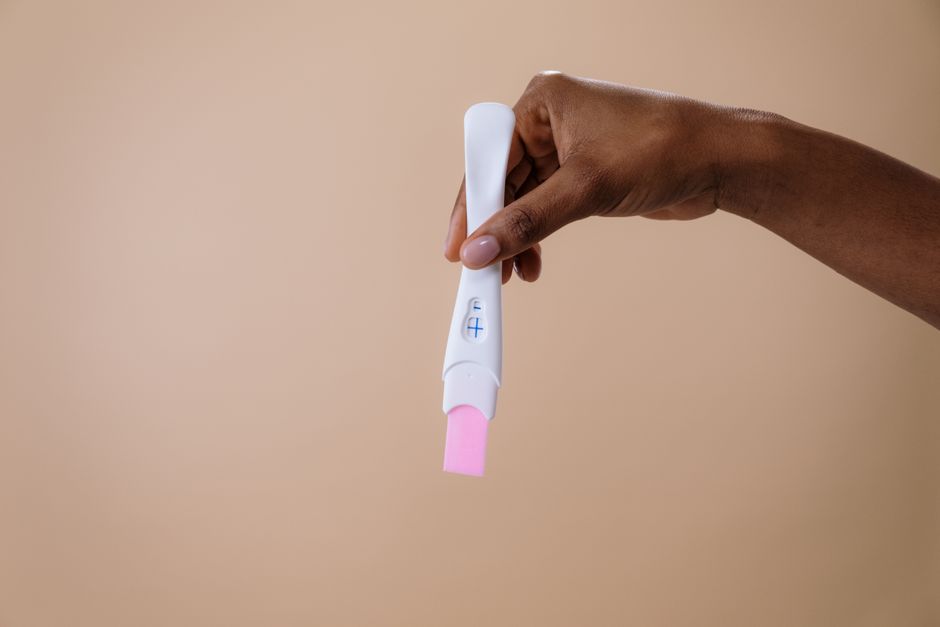
Seeing a positive pregnancy test is a moment filled with hope and anticipation. When bleeding follows, that excitement can quickly turn to fear. You are not alone in this experience, and it is more common than most people realize. Bleeding after a positive pregnancy test is not always a sign of miscarriage, but it is always a reason to contact your healthcare provider for guidance and support.
Why Am I Bleeding After A Positive Pregnancy Test?
Bleeding in early pregnancy is surprisingly common. Studies suggest that up to 25% of pregnant women experience some bleeding in the first trimester. The causes range from completely harmless to serious, and it is impossible to know which one you are dealing with without a medical evaluation. The most important first step is to understand that this symptom requires professional assessment.
The two most common causes of bleeding after a positive test are implantation bleeding and hormonal changes. Implantation bleeding occurs when the fertilized egg attaches to the lining of the uterus, usually about 6 to 12 days after conception. This typically happens before you even miss your period. Hormonal bleeding can happen as your body adjusts to the rapid rise in pregnancy hormones, particularly progesterone and estrogen.
What Is Implantation Bleeding?
Implantation bleeding is light spotting that happens when the embryo burrows into the blood-rich lining of your uterus. This process is completely normal and is a necessary step in pregnancy. The bleeding is usually very light, pink or brown in color, and lasts only a few hours to a couple of days.
Many women never experience implantation bleeding at all. Its absence means nothing. If you do have it, the key features are that it is light, short-lived, and not accompanied by significant pain. Heavy bleeding with clots is not typical of implantation and requires immediate medical attention.
What Are The Other Causes Of Early Pregnancy Bleeding?
Beyond implantation, several other conditions can cause bleeding in the first trimester. Some are benign, while others require urgent care. It is essential to know the difference between spotting and heavy bleeding.
Subchorionic hematoma is a collection of blood that forms between the uterine wall and the chorionic membrane. It is a common finding on early ultrasounds and often resolves on its own. Some women experience bleeding with this condition, but many have no symptoms at all.
Cervical changes can also cause bleeding. During pregnancy, the cervix becomes engorged with blood vessels. Any irritation, such as from a pelvic exam or intercourse, can cause light spotting. This is harmless and does not threaten the pregnancy.
Ectopic pregnancy is a serious condition where the embryo implants outside the uterus, most commonly in a fallopian tube. This is a medical emergency. Bleeding from an ectopic pregnancy is often accompanied by sharp pelvic pain, dizziness, or shoulder pain. If you have these symptoms, go to the emergency room immediately.
When Does Bleeding Indicate A Miscarriage?
Miscarriage is the most feared cause of early pregnancy bleeding. It is important to be honest about the statistics here. Approximately 10-20% of known pregnancies end in miscarriage. The vast majority of these occur in the first 12 weeks.
Bleeding that is heavy, bright red, and accompanied by cramping and the passage of tissue is more likely to indicate a miscarriage. However, bleeding alone does not confirm a miscarriage. Many women experience heavy bleeding and go on to have perfectly healthy pregnancies. Only an ultrasound and blood tests can determine whether the pregnancy is still viable.
If you are experiencing bleeding, your doctor will likely check your hCG levels. These are pregnancy hormones that should rise steadily in early pregnancy. A single hCG level is not diagnostic. The pattern of change over 48 to 72 hours is what matters. In a healthy pregnancy, hCG levels typically double every 48 to 72 hours in the early weeks.
What Should I Do If I Am Bleeding?
Your first action should always be to contact your healthcare provider. Do not wait for an appointment if the bleeding is heavy or accompanied by pain. Call your doctor’s office, describe your symptoms, and follow their instructions. They may ask you to come in for an ultrasound or blood work.
While you wait to speak with a professional, rest. Avoid heavy lifting and strenuous exercise. Do not use tampons while you are bleeding. Use pads so you can monitor the amount and color of the blood accurately. Do not douche or have intercourse until you have been evaluated.
Track your symptoms. Note the color of the blood, whether it is light or heavy, and whether you are passing clots. Note any pain you feel and where it is located. This information will be valuable to your doctor.
What Happens During A Medical Evaluation?
Your healthcare provider will likely perform a physical exam and order blood tests to check your hCG and progesterone levels. They will also schedule an ultrasound. In early pregnancy, an ultrasound can confirm the location of the pregnancy and determine if a heartbeat is present.
The timing of the ultrasound matters. A fetal heartbeat is usually not visible until around 6 weeks of gestation. If you are earlier than that, the absence of a heartbeat is not necessarily concerning. Your doctor may ask you to return in a week or two for a follow-up scan to see how the pregnancy is progressing.
It is completely normal to feel anxious during this waiting period. The uncertainty is difficult. Lean on your support system and ask your doctor to explain every step of the process. Understanding what is happening can help you feel more in control.
What Does The Evidence Say About Bed Rest?
Many women are told to rest or limit activity when they experience early pregnancy bleeding. The evidence supporting bed rest is limited. Some research suggests that strict bed rest does not prevent miscarriage and may carry its own risks, such as blood clots and muscle weakness.
Most clinicians recommend “pelvic rest” which means avoiding intercourse and tampons, and taking it easy. This is a reasonable and common recommendation, but it is not a guarantee against pregnancy loss. The outcome of a pregnancy is largely determined by the genetic health of the embryo, not by your activity level.
Be honest with yourself about what you can control. You cannot control the outcome of this pregnancy. You can control your communication with your doctor and your willingness to seek help when you need it.
When Should I Go To The Emergency Room?
Some symptoms require immediate emergency care. If you experience any of the following, do not wait for a doctor’s appointment. Go to the nearest emergency room.
- Heavy bleeding that soaks through a pad every hour for two or more hours
- Passing large clots, especially the size of a lemon or larger
- Severe abdominal or pelvic pain that does not subside
- Dizziness, fainting, or lightheadedness
- Shoulder pain, which can be a sign of internal bleeding from an ectopic pregnancy
- Fever or chills, which may indicate an infection
These symptoms may indicate an ectopic pregnancy, a molar pregnancy, or a miscarriage in progress. All of these require medical intervention. Do not hesitate to seek help. Emergency departments are equipped to handle these situations and will prioritize your care.
Can Bleeding Affect The Baby’s Development?
This is a question that causes immense anxiety. The honest answer is that it depends on the cause. If the bleeding is from a subchorionic hematoma or cervical irritation, the baby is typically unaffected. The pregnancy proceeds normally, and the bleeding resolves on its own.
If the bleeding is from a threatened miscarriage, the outcome is uncertain. A threatened miscarriage is defined as bleeding in early pregnancy with a closed cervix and a confirmed heartbeat. Studies indicate that many women with this condition go on to have successful pregnancies. The bleeding may stop, and the pregnancy continues without further issues.
Research on this topic shows that experiencing a threatened miscarriage does increase the risk of later pregnancy complications, such as preterm birth or low birth weight. However, the absolute risk remains low. Most women who bleed in early pregnancy deliver healthy babies at full term.
Frequently Asked Questions
Can I have a healthy pregnancy after bleeding in the first trimester?
Yes, most women who experience first-trimester bleeding go on to have healthy pregnancies and healthy babies. The outcome depends entirely on the underlying cause, which your doctor can determine through evaluation.
How much bleeding is normal in early pregnancy?
Light spotting that is pink or brown and lasts for a day or two is often normal. Heavy bleeding that requires a pad, contains clots, or lasts for several days is not normal and requires immediate medical evaluation.
Does a positive pregnancy test guarantee the pregnancy is still viable after bleeding?
No, a positive test only confirms that pregnancy hormones are present. It does not confirm the pregnancy is viable. You need an ultrasound and serial hCG blood tests to confirm the pregnancy is progressing normally.
Can stress cause bleeding after a positive pregnancy test?
There is no strong clinical evidence that everyday stress directly causes first-trimester bleeding. The primary causes are implantation, cervical sensitivity, subchorionic hematoma, or miscarriage. Always have bleeding evaluated by a healthcare provider.
