
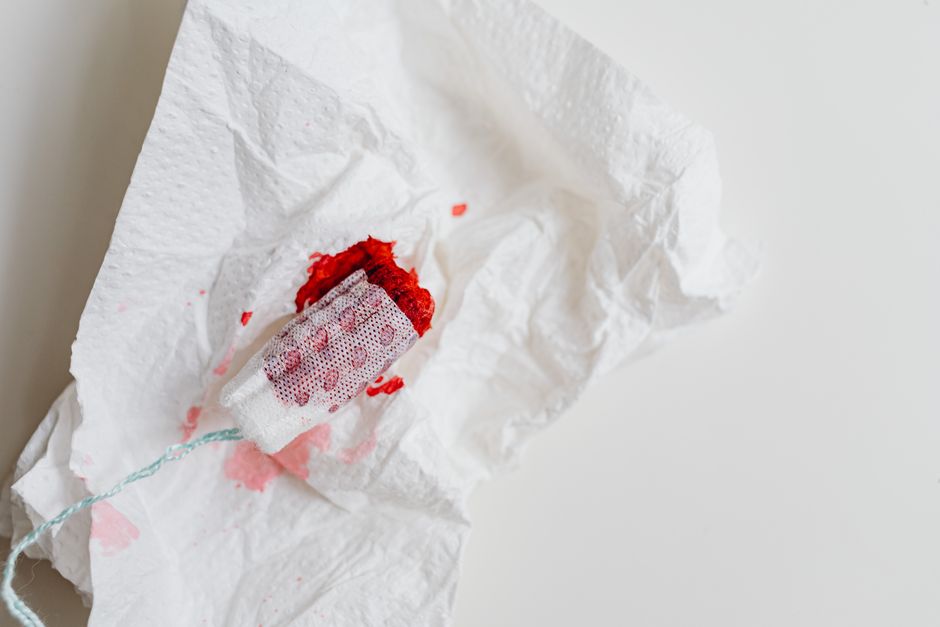
Bleeding ten years after a hysterectomy is not normal, and it is not something to brush off. If you had your uterus removed a decade ago and are now seeing blood, the cause is almost always coming from somewhere other than the uterus itself. The most common sources are the vaginal cuff, the cervix if it was left in place, or the ovaries if they were retained. This bleeding needs a medical evaluation to identify the source and rule out serious conditions.
What Are The Possible Causes Of Late Bleeding After A Hysterectomy?
The first thing to understand is that a hysterectomy removes the uterus, but it does not remove everything. Depending on the type of surgery you had, your cervix, ovaries, and fallopian tubes may still be present. Each of these can be a source of bleeding.
Vaginal cuff issues are a leading cause. The vaginal cuff is the top of the vagina where it was sewn closed after the uterus was removed. This tissue can break down, develop granulation tissue, or form a tear. Granulation tissue is fragile new blood vessel growth that can bleed easily, especially after intercourse or a pelvic exam.
If you kept your cervix during a supracervical hysterectomy, you can still have monthly bleeding. A portion of endometrial tissue may remain in the cervical stump. This tissue responds to hormones and sheds, causing bleeding that resembles a period.
Retained ovaries can also cause problems. Ovarian cysts, hormone imbalances, or ovarian tumors can produce bleeding. The bleeding comes from the vagina but originates from hormonal changes triggered by the ovaries.
Why Am I Bleeding 10 Years After A Hysterectomy If My Cervix Was Removed?
When the cervix is removed, the bleeding source narrows significantly. The vaginal cuff becomes the primary suspect. A condition called vaginal cuff dehiscence occurs when the sutured area opens partially or completely. This is rare but can happen years after surgery, often after vaginal intercourse or trauma.
Granulation tissue at the cuff is more common. It appears as small red bumps of healing tissue that never fully resolved. These areas contain delicate blood vessels that rupture easily. Many women report spotting after sex or exercise. This is not dangerous but it is annoying and treatable.
Another possibility is vaginal atrophy. After menopause, estrogen levels drop and the vaginal lining becomes thin and fragile. This thinning makes the tissue more prone to tearing and bleeding, even without obvious trauma. Some women experience this even if they had their ovaries removed years earlier because the body still produces small amounts of estrogen from other sources.
Could The Bleeding Be A Sign Of Cancer?
Cancer is a legitimate concern, and it is why you should not delay seeing a doctor. Vaginal cancer is rare but can occur after hysterectomy. It often presents as painless bleeding or a watery discharge. The risk is higher in women who had a hysterectomy for cervical cancer or precancerous changes.
Ovarian cancer can also cause vaginal bleeding, though it is more commonly associated with abdominal bloating, pelvic pain, and changes in bowel habits. If you kept your ovaries, they remain at risk for cancer even without a uterus.
Fallopian tube cancer is extremely rare but can present with bleeding. It is often misdiagnosed because the symptoms are vague. The key point is that any post-hysterectomy bleeding warrants an examination to rule out malignancy. Most cases turn out to be benign, but the evaluation is essential.
What Tests Will My Doctor Perform?
Your doctor will start with a pelvic exam. This allows direct visualization of the vaginal cuff and cervix if present. The exam can identify granulation tissue, tears, or masses. A speculum exam is usually painless but may cause slight spotting if granulation tissue is present.
A Pap smear may be performed even if you no longer have a cervix. The vaginal cuff can develop abnormal cells, especially if you had HPV-related changes before your hysterectomy. Guidelines vary on how often this is needed, but any bleeding episode should trigger a cytology test.
Imaging is often the next step. A transvaginal ultrasound can evaluate the ovaries and look for masses or cysts. If the ultrasound is inconclusive, your doctor may order a CT scan or MRI. These imaging studies provide a detailed view of the pelvic organs and can identify abnormalities not visible during a physical exam.
If the source remains unclear, a biopsy may be necessary. Tissue samples from the vaginal cuff or any suspicious lesions are sent to a pathologist. This is the only way to definitively diagnose or rule out cancer.
What Are The Treatment Options For Post-Hysterectomy Bleeding?
Treatment depends entirely on the cause. Granulation tissue is often treated with silver nitrate applied directly to the area. This chemical cauterizes the fragile blood vessels and stops the bleeding. It may take more than one treatment if the tissue is extensive.
Vaginal atrophy is managed with topical estrogen. This comes as a cream, tablet, or ring inserted into the vagina. The estrogen thickens the vaginal lining and reduces fragility. Topical estrogen is considered safe for most women, but discuss your personal risk factors with your doctor before starting.
Small tears in the vaginal cuff may heal on their own with rest and avoiding intercourse. Larger tears or complete dehiscence require surgical repair. This is an outpatient procedure in most cases, but recovery takes several weeks.
If the bleeding comes from retained cervical tissue, surgical removal of the cervical stump is an option. This is called a trachelectomy. It is a relatively simple procedure that eliminates the source of the bleeding permanently.
Ovarian cysts that cause bleeding may resolve on their own. Hormonal birth control can suppress ovulation and prevent future cysts. If a cyst is large, persistent, or looks suspicious on imaging, surgical removal may be recommended.
When Should I Seek Emergency Care?
Heavy bleeding is always a reason to seek immediate medical attention. Soaking through a pad every hour for more than two hours is considered heavy bleeding. This could indicate a significant tear or hemorrhage that requires urgent treatment.
Bleeding accompanied by severe pelvic pain, fever, or dizziness warrants an emergency room visit. These symptoms could indicate an infection, internal bleeding, or a ruptured cyst. Do not wait to see if it resolves on its own.
Light spotting that occurs once and stops may be less urgent, but it still requires a medical evaluation. The cause could be something simple like a small tear or something more serious. There is no way to know without an examination.
Can This Happen Again After Treatment?
Recurrence depends on the underlying cause. Granulation tissue can return after treatment, though it is less common with repeat applications. Vaginal atrophy will continue to cause bleeding if estrogen therapy is stopped. The condition is manageable but not cured.
If you had a tear repaired surgically, the repaired area is generally strong. However, the tissue around it may still be fragile. Avoiding trauma and using lubrication during intercourse can reduce the risk of future tears.
Women who have had a hysterectomy for cancer need ongoing surveillance. The risk of recurrence at the vaginal cuff exists for years after the original surgery. Regular follow-up with your gynecologic oncologist is essential.
What Should I Tell My Doctor At The Appointment?
Be specific about the bleeding pattern. Note when it started, how long it lasts, and what it looks like. Bright red blood is different from brown spotting. The amount matters too. A few drops on toilet paper is different from a flow that requires a pad.
Mention any associated symptoms. Pain, discharge, fever, or changes in bowel habits are all relevant. Also mention what you were doing when the bleeding started. Bleeding after intercourse points to a different set of causes than spontaneous bleeding.
Bring a list of all medications and supplements you take. Blood thinners, aspirin, and some herbal supplements can increase bleeding risk. Your doctor needs this information to make an accurate assessment.
Do not feel embarrassed or hesitate to seek care. Post-hysterectomy bleeding is a known clinical issue. Gynecologists see this regularly. The sooner you are evaluated, the sooner you will have answers and a plan.
Frequently Asked Questions
Can I still get my period after a hysterectomy?
No, you cannot have a true menstrual period because the uterus is gone. If you kept your cervix, residual endometrial tissue in the cervical stump can bleed cyclically, which looks like a period.
Is bleeding after hysterectomy always a sign of cancer?
No, most cases are caused by benign conditions like granulation tissue, vaginal atrophy, or cervical stump tissue. However, cancer is possible, which is why a medical evaluation is necessary.
What does granulation tissue look like after hysterectomy?
Granulation tissue appears as small red or pink bumps at the top of the vagina. It bleeds easily when touched and is often discovered during a pelvic exam.
Can sex cause bleeding years after a hysterectomy?
Yes, intercourse is a common trigger for bleeding in women with vaginal atrophy or granulation tissue. The fragile tissue tears easily during penetration.
