
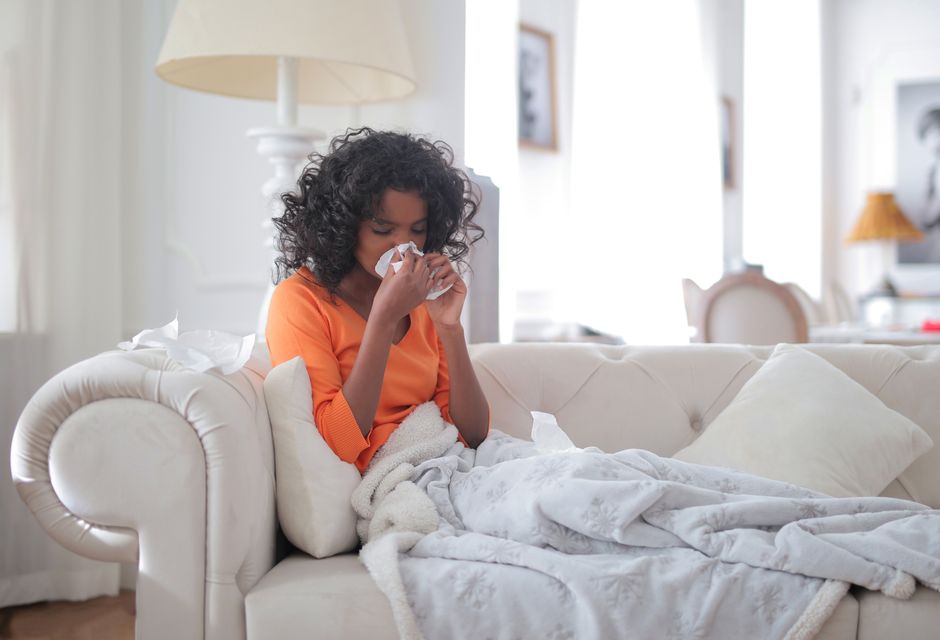
College is a perfect storm for getting sick. You are living in close quarters, sleeping less, eating worse, and facing constant stress. The combination of these factors directly suppresses your immune system and increases your exposure to viruses. The fix is not a magic supplement; it is about addressing the specific lifestyle and environmental factors that make you vulnerable in the first place.
Why Is My Immune System So Weak In College?
Your immune system is not actually weak. It is overwhelmed and under-supported. The primary driver of frequent illness in college is exposure. You are suddenly sharing air, surfaces, and bathrooms with thousands of people. Respiratory viruses spread easily in lecture halls, dining commons, and dormitories.
The second driver is what you do to your body. Sleep deprivation is rampant in college. When you do not get enough sleep, your body produces fewer infection-fighting cells. Studies have consistently shown that people who sleep less than seven hours are significantly more likely to catch a cold when exposed to a virus.
This is not a mystery. It is a predictable outcome of high exposure and low immune support. You are not uniquely fragile. You are in a uniquely demanding environment.
What Role Does Stress Play In Getting Sick At School?
Stress is a direct biological player here. When you are stressed, your body produces cortisol. In short bursts, cortisol helps you manage immediate challenges. But chronic stress keeps cortisol levels elevated. High cortisol over time suppresses immune function, making you more susceptible to infections.
Academic pressure, social anxiety, and financial worries are constant in college. This is not just in your head. The physiological response is real. Research has found that psychological stress is associated with increased susceptibility to the common cold.
Your body is treating exam week like a physical threat. That response helps you focus, but it also drains your immune defenses. Managing stress is not a soft skill. It is a direct immune support strategy.
How Does Poor Sleep And Diet Affect Your Immunity?
Sleep is the foundation of your immune system. During deep sleep, your body releases cytokines, which are proteins that fight infection and inflammation. When you are sleep-deprived, your production of these protective proteins drops. You also produce fewer antibodies after exposure to a virus.
The typical college schedule works against this. Late-night study sessions, social events, and irregular schedules disrupt your circadian rhythm. Even if you get eight hours occasionally, the inconsistency matters. Your immune system prefers a predictable routine.
Diet plays a secondary but real role. The college dining plan is often heavy in refined carbohydrates, processed foods, and sugary drinks. These foods can promote inflammation. They also may not provide the vitamins and minerals your immune cells need to function properly. You are not looking for a superfood. You are looking for consistent, basic nutrition.
Dehydration is another common issue. Caffeine and alcohol both dehydrate you. Even mild dehydration can affect your physical resilience. Your mucous membranes, which trap viruses, need moisture to work effectively.





Why Am I Always Sick In College Causes And Fixes
The causes are clear: high viral exposure, chronic stress, poor sleep, and suboptimal nutrition. The fixes are equally clear. They are not glamorous, but they work.
Prioritize sleep. Aim for seven to nine hours a night. This is not optional. Treat it like a class that requires attendance. Your immune system rebuilds while you sleep.
Wash your hands frequently. Soap and water for at least 20 seconds is the most effective way to prevent the spread of respiratory viruses. Hand sanitizer with at least 60% alcohol is a reasonable backup when soap is not available.
Do not touch your face. Viruses enter your body through your eyes, nose, and mouth. Breaking this habit reduces your infection risk significantly.
Manage stress actively. Exercise is one of the most effective stress reducers. Even a 30-minute walk can lower cortisol levels. Simple breathing exercises or meditation can also help. Find what works for you and schedule it into your week.
Eat regularly. Aim for balanced meals with protein, vegetables, and whole grains. Stay hydrated with water throughout the day. Limit alcohol, which suppresses immune function and disrupts sleep.
Should I Get The Flu Shot And Other Vaccines?
Yes. Vaccines are the most effective protection against specific serious infections. The flu shot is recommended for everyone over six months of age. It does not give you the flu, and it significantly reduces your risk of severe illness.
Check your vaccination status for other diseases that spread in college settings. Meningococcal disease, for example, spreads in dormitories and can be severe. Many colleges require certain vaccines, but you should confirm your records are current.
Vaccines do not prevent the common cold. There are hundreds of viruses that cause cold symptoms. But vaccines prevent the infections that land you in the hospital or force you to miss weeks of class. That is a meaningful difference.
When Should I See A Doctor For A Cold Or Flu?
Most colds resolve on their own within 7 to 10 days. Rest, fluids, and over-the-counter pain relievers can help manage symptoms. You do not need to see a doctor for a typical cold.
You should seek medical care if you have difficulty breathing, chest pain, confusion, or a fever that lasts more than three days. These can be signs of a more serious infection like pneumonia or influenza complications.
If you have an underlying health condition like asthma, diabetes, or a weakened immune system, contact your doctor earlier. The same applies if your symptoms improve and then suddenly worsen. That pattern can indicate a secondary bacterial infection.
Your college health center is there for this. Use it. They are experienced with student health issues and can tell you whether you need testing or treatment.
What Can I Do To Avoid Getting Sick When My Roommate Is Sick?
This is a high-risk situation. You share a bathroom, a common area, and sometimes a bedroom. You cannot fully isolate, but you can reduce your exposure.
Increase ventilation. Open a window if possible. Use a HEPA air purifier in your room. These devices filter out virus particles from the air.
Disinfect high-touch surfaces daily. Doorknobs, light switches, faucets, and shared electronics are the main culprits. Use disinfectant wipes with proven antiviral claims.
Avoid sharing items. Do not share towels, cups, utensils, or food. These are direct transmission routes.
Encourage your roommate to wear a mask in common areas if they are sick. This is not always comfortable, but it is an effective measure. A sick person wearing a mask reduces the virus they release into the air.
Frequently Asked Questions
Why do I get sick more often in college than at home?
You are exposed to far more viruses in college because you live and study in close contact with thousands of people. Your immune system is also less supported by sleep, nutrition, and stress management than it is at home.
How long does a college cold usually last?
A typical cold lasts 7 to 10 days. If symptoms last longer than two weeks, worsen, or include a high fever, you should see a doctor.
Can taking vitamin C prevent me from getting sick in college?
Vitamin C does not prevent colds in the general population, but regular use may slightly shorten the duration of symptoms. It is not a substitute for sleep, handwashing, and vaccination.
Is it normal to get sick multiple times in one semester?
It is common, especially for first-year students exposed to new viruses. However, frequent illness can also signal that your sleep, stress, or nutrition habits need attention.
