
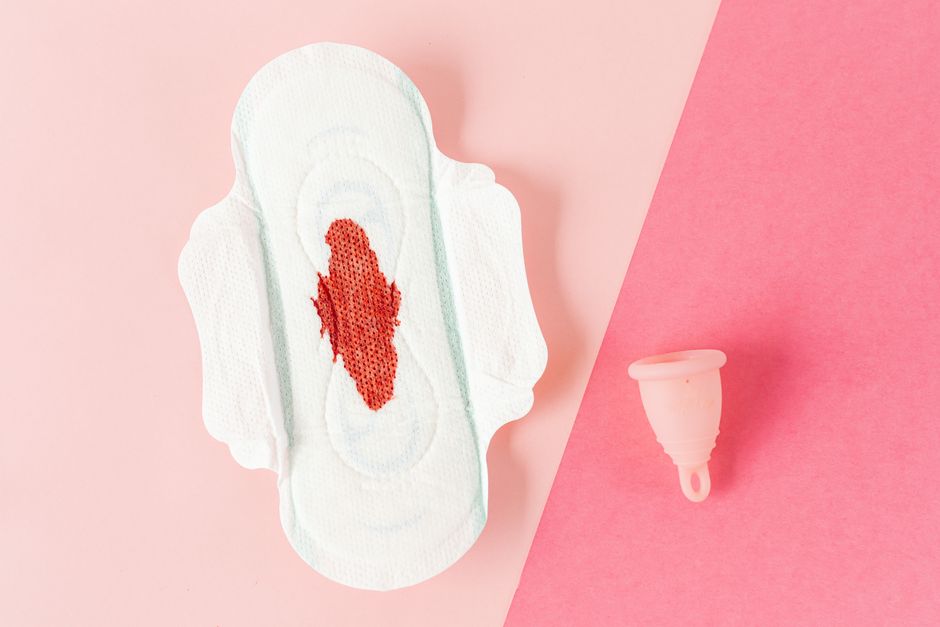
A period that is four days late is usually not a sign of anything serious. Menstrual cycles vary from month to month, and a few days of difference falls within the range doctors consider normal for most people. The most common cause in people who could become pregnant is pregnancy. In people who cannot be pregnant, the usual reasons are stress, illness, changes in sleep or travel, weight changes, and hormonal shifts around perimenopause. This article explains each of these honestly, including when a late period deserves a call to a clinician.
How Late Is Actually Late?
A typical menstrual cycle runs 21 to 35 days from the first day of one period to the first day of the next. That range comes from established clinical definitions of normal menstruation. A cycle that is a few days longer or shorter than usual is generally still within normal limits.
Being four days late means your period has not started when you expected it. But “expected” is based on your own pattern. If your cycles usually run 28 days and this one reaches 32, that is a shift, not necessarily a problem. Many people have occasional cycles that fall outside their usual pattern and then return to normal the following month.
One clarification worth knowing: menstrual cycles are not perfectly regular machines. Ovulation — the release of an egg — can shift by several days from month to month, and the timing of ovulation is what sets the timing of your period. A late period usually means ovulation happened later than usual, not that something is wrong.
Why Am I 4 Days Late On My Period Causes Explained
The short answer is that your period comes about two weeks after ovulation. If ovulation is delayed for any reason, your period is delayed by the same amount. The causes below all work through that same mechanism — they disrupt the hormonal signaling that triggers ovulation.
Pregnancy
If there is any chance you could be pregnant, take a home pregnancy test. These tests detect a hormone called hCG in urine and are generally reliable when used on or after the first day of a missed period. Testing earlier can produce a false negative because hCG levels may still be too low to detect.
If the first test is negative and your period still has not started after another week, testing again is reasonable. A clinician can confirm with a blood test if needed.
Stress
Stress is one of the most commonly reported reasons for a late or skipped period. The body’s stress response involves hormones that can interfere with the signals from the brain to the ovaries. This is well established as a mechanism, though the effect varies a lot between people — some people under heavy stress have no change to their cycles at all.
The stress does not have to be dramatic. A demanding work period, a family illness, or a big life change can be enough.
Illness and Infection
Being sick can delay ovulation. A fever, a significant infection, or a few days of poor sleep and poor eating can all shift the timing. Short-term illness usually causes a one-cycle delay that corrects itself.
Weight and Eating Changes
Significant weight loss, rapid weight gain, or a period of restricted eating can disrupt ovulation. Body fat is involved in hormone regulation, and when energy intake drops sharply, the body can suppress ovulation as a protective response. This is well documented in both athletes and people who diet heavily.
Less extreme changes matter less. A few days of eating differently is unlikely to shift your cycle. Sustained changes over weeks or months are more likely to.
Sleep and Travel Disruption
Crossing time zones, working night shifts, or a stretch of poor sleep can affect the hormonal rhythm that governs ovulation. The evidence here is real but the effect is usually modest and temporary. Most people’s cycles return to normal once their schedule settles.
Exercise
Intense training, especially combined with low food intake, can delay or stop ovulation. This is well established in endurance athletes. Moderate exercise does not typically disrupt cycles.
Perimenopause
In the years before menopause, cycle length often becomes less predictable. Periods may come early, late, or be skipped entirely. This is a normal part of the transition. If you are in your mid-forties or older and notice your cycles becoming irregular, this is a common explanation. A clinician can help distinguish perimenopause from other causes if the pattern is unclear.
Hormonal Conditions
Conditions such as polycystic ovary syndrome (PCOS) and thyroid disorders can cause irregular or delayed periods. PCOS is common and often involves cycles that are consistently long or unpredictable rather than a one-off delay. Thyroid problems can affect cycle timing in either direction. These are diagnosed by a clinician, not by symptoms alone.
Medications
Some medications can affect menstrual timing. Hormonal birth control obviously changes cycle patterns by design. Other medicines, including some used for mental health conditions, can affect prolactin levels or other hormones involved in ovulation. If you started a new medication and your cycle changed, mention it to your prescriber. Do not stop a prescribed medication on your own.
What If I Am Not Pregnant and My Period Still Has Not Come?
A single late period in someone who is not pregnant is usually not a cause for concern. Most people have an occasional irregular cycle. The delay often resolves on its own within the next cycle.
It becomes worth investigating if the pattern repeats. Specifically, talk to a clinician if:
- Your periods have been irregular for three months or more
- You have missed several periods in a row and are not pregnant
- You have other symptoms such as unusual hair growth, significant weight change, or fatigue
- You are trying to conceive and cycles are consistently unpredictable
- You have severe pain, very heavy bleeding when your period does arrive, or bleeding between periods
These signs do not mean something is seriously wrong. They mean a clinician should look at the whole picture, because several of the causes above are treatable once identified.
When Should You Take a Pregnancy Test?
Take a home pregnancy test on or after the first day of your missed period. Testing earlier raises the chance of a false negative because the hormone the test detects may not have built up enough yet.
Home tests are generally accurate when used correctly and read within the time window stated on the package. If the result is negative and your period still has not started a week later, test again. If you have symptoms such as nausea, breast tenderness, or unusual fatigue along with a late period, a test is the right first step regardless of the result you expect.
Does a Late Period Always Mean Something Is Wrong?
No. Most late periods are not a sign of a health problem. The body’s cycle is sensitive to ordinary life — stress, sleep, illness, travel, and food — and a few days of variation is common.
What matters is the pattern. A one-time delay is usually nothing to act on. A recurring pattern of irregular cycles, or cycles that keep getting longer, is worth a conversation with a clinician. That conversation is not about finding something wrong — it is about understanding what your cycle is telling you.
If you are sexually active and could be pregnant, a test answers the most important question first. Everything else can wait until you know.
Frequently Asked Questions
Can stress really make my period 4 days late?
Yes, stress is a commonly reported cause of a delayed period because it can interfere with the hormonal signals that trigger ovulation. The effect varies widely between people, and many people under stress see no change at all.
How late can a period be before I should worry?
A single period that is a few days late is usually not a concern, but if you have missed several periods in a row, or your cycles have been irregular for three months or more, see a clinician. If there is any chance you are pregnant, take a test first.
Can I be 4 days late and still get a negative pregnancy test?
Yes, a false negative is possible if you test very early, before the pregnancy hormone hCG has built up enough to be detected. If the test is negative and your period still has not started a week later, test again.
Can perimenopause cause a late period at 45?
Yes, cycle length often becomes less predictable in the years before menopause, and late or skipped periods are common. A clinician can help confirm whether perimenopause is the cause if the pattern is unclear.
