
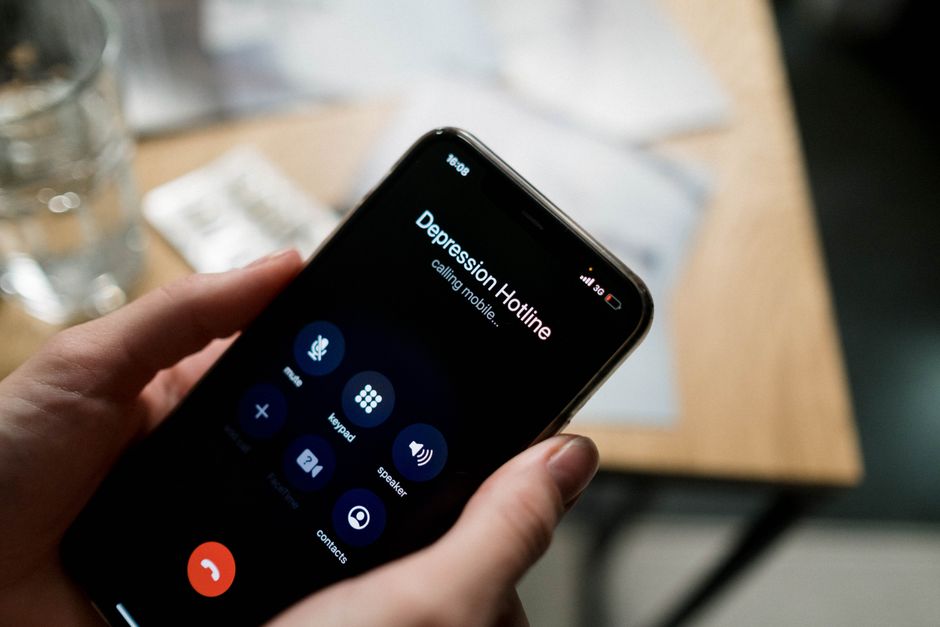
When someone is in a mental health crisis, the fastest way to get help is to call or text 988, the Suicide and Crisis Lifeline. It is free, confidential, and available 24 hours a day, 7 days a week across the United States. If someone is in immediate physical danger or has attempted suicide, call 911 instead.
Those two numbers cover most emergencies. But knowing which one to use, and when, matters. So does knowing what to say when someone answers.
Who To Call For A Mental Health Emergency?
Call or text 988 for a mental health crisis. Call 911 when there is immediate danger to life or physical safety.
The 988 Suicide and Crisis Lifeline launched in 2022 and replaced the old 1-800-273-TALK number, which still works. Trained crisis counselors answer calls, texts, and online chats. They are not emergency responders. They talk, assess risk, and connect people to local services. In some areas, mobile crisis teams can be dispatched to a home.
Call 911 when:
- Someone has seriously injured themselves or is threatening to do so right now
- A weapon is involved
- Someone has overdosed or swallowed something dangerous
- Someone is unconscious or having a medical emergency
One clarification worth knowing: 988 does not automatically send police. Most calls are resolved by phone. That distinction matters to people who fear calling for help because of what might happen next.
What Happens When You Call 988?
A trained counselor answers and stays on the line as long as needed. The call typically moves through a few stages.
First, the counselor asks what is happening. They listen more than they talk. Then they ask about safety — whether the person has thoughts of harming themselves, whether they have a plan, whether they have access to means. These questions can feel intrusive. They are asked to gauge risk, not to judge.
From there, the counselor works with the caller on next steps. That might mean coping strategies for the moment, a referral to a local crisis center, or help making a plan to reach a therapist or doctor. If the situation is urgent, the counselor may connect the caller to emergency services or a mobile crisis team.
You do not need to be suicidal to call. 988 takes calls from people in emotional distress, from family members worried about someone else, and from people who simply do not know where else to turn. The lifeline’s own guidance states that no crisis is too small.
What Should You Say When You Call?
Say what is happening in plain words. You do not need the right vocabulary or a diagnosis.
Useful things to state early:
- Where you are right now
- Whether anyone is in immediate danger
- Whether the person has taken anything or hurt themselves
- Whether there are weapons or other means nearby
If you are calling about someone else, say so up front. Tell the counselor the person’s age, what they said or did that worried you, and whether they are alone. If you are the one struggling, “I don’t feel safe with myself right now” is enough to start.
It is fine to be unsure. Counselors are trained to guide the conversation. You do not have to have a plan or a speech ready.
How Do You Help Someone Else in Crisis?
Stay with the person. Do not leave someone alone who is in acute distress or who has expressed thoughts of suicide.
Ask directly whether they are thinking about suicide. Research consistently shows that asking does not plant the idea and does not increase risk. It often brings relief, because it gives the person permission to talk.
Listen without arguing. Do not try to talk someone out of their feelings or point out reasons they should be grateful. That tends to shut the conversation down. Instead, acknowledge what they are going through and ask what would help right now.
Reduce access to means. If there are firearms in the home, ask whether they can be stored elsewhere temporarily. The same goes for medications or other items the person might use to hurt themselves. This is one of the most strongly supported steps in suicide prevention. Means safety saves lives.
Help them make the call, or make it yourself with them present. Offer to sit with them while they dial 988.
What If You Are the One Struggling?
Call or text 988. You do not have to wait until things feel unbearable.
Reaching out early is not an overreaction. Crisis lines are set up for exactly this — a moment when things feel unmanageable and you need someone to talk to. Many people call before a situation becomes an emergency, and that is the point.
If you are not sure whether your situation counts as a crisis, call anyway. The counselor can help you sort that out. There is no test you have to pass to deserve help.
If you have a therapist or psychiatrist, their office may have an after-hours line. Many practices do. Check before you need it, so the number is already saved in your phone.
What Other Resources Exist Beyond 988?
Several national services offer support for specific groups. These are worth knowing in advance.
- Crisis Text Line: Text HOME to 741741 to connect with a trained crisis counselor by text.
- Veterans Crisis Line: Dial 988 and press 1, or text 838255. Available to veterans, service members, and their families.
- Trevor Project: A crisis line for LGBTQ young people, reachable by phone, text, or chat.
- National Domestic Violence Hotline: 1-800-799-7233, for situations where mental health crisis and abuse overlap.
- Local mobile crisis teams: Many counties run teams of mental health workers who respond to homes. Availability varies widely by region.
Mobile crisis teams are worth looking up for your area before you need one. Coverage is uneven. Some communities have them around the clock. Others do not have them at all. A quick search now can save confusion later.
What Should You Not Do in a Mental Health Emergency?
Do not leave someone alone who is in acute danger. Do not assume they are “just seeking attention.” Do not promise to keep a suicide plan secret.
Secrecy is the trap. If someone tells you they have a plan and asks you not to tell anyone, that promise can cost a life. It is better to say, “I care about you too much to keep this to myself.” Then involve a professional, a family member, or emergency services.
Do not argue about whether their feelings are rational. Do not bring up past mistakes or use guilt. These responses rarely help and often make a person feel more isolated.
And do not wait for certainty. If your gut says something is seriously wrong, act on it. Calling 988 for guidance is a low-risk step that can clarify what to do next.
When Is It Time to Call 911 Instead?
Call 911 when there is an immediate threat to physical safety that a crisis line cannot address by phone.
That includes a suicide attempt in progress, serious self-injury, a person who is armed, or someone who has stopped responding. It also includes medical emergencies such as a suspected overdose, which may need naloxone and an ambulance.
When you call 911, tell the dispatcher that this is a mental health crisis. Ask, if the situation allows, whether a crisis intervention trained officer or a co-responder team is available. Many departments have officers with specialized training in mental health response. Requesting one can change how the situation unfolds.
Give the dispatcher clear facts: what the person is doing, whether there are weapons, whether anyone has been hurt, and where the person is located. Stay on the line until help arrives if it is safe to do so.
Frequently Asked Questions
Is 988 the same as 911?
No. 988 connects you to trained crisis counselors for mental health support, while 911 dispatches police, fire, or medical responders. Call 911 if there is immediate physical danger.
Can I text 988 instead of calling?
Yes. You can call or text 988, and both are available 24 hours a day. Texting can be easier for people who find it hard to speak out loud.
Does calling 988 send police to my house?
Usually not. Most 988 calls are resolved by phone, and police are only involved when there is an immediate safety concern that requires emergency response.
What if I am calling about someone else?
988 accepts calls from family members and friends who are worried about another person. Tell the counselor who you are, who you are concerned about, and what is happening right now.
