
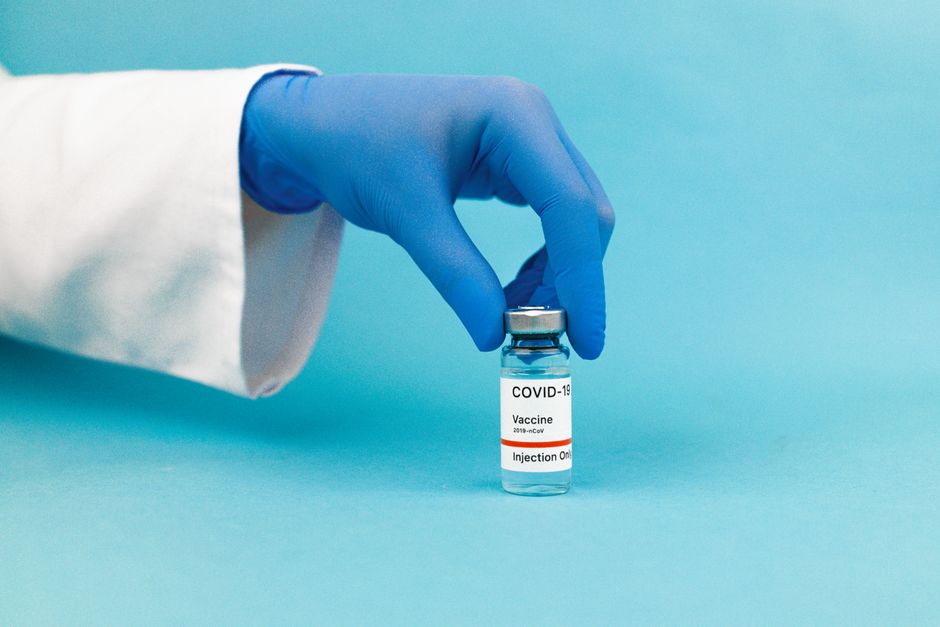
COVID-19 vaccines have changed how we manage this virus, but questions about extra doses still confuse many people. The answer to who should get a third dose depends on your age, health status, and which vaccines you already received. Generally, adults 65 and older, people with weakened immune systems, and those who received certain vaccine types are candidates for additional doses. The timing varies by group, but most guidelines suggest waiting at least a few months after your last dose before getting another one.
Who Should Get A 3Rd Covid Vaccine Dose And When?
The clearest guidance applies to older adults and people with medical conditions that weaken immunity. Adults aged 65 and older should receive an additional COVID-19 vaccine dose if it has been at least four months since their last dose. This recommendation exists because immune response naturally weakens with age, and older adults face higher risk of severe illness from COVID-19.
People with moderately or severely weakened immune systems have different timing. This group includes organ transplant recipients, people receiving active cancer treatment, those with advanced HIV, and people taking medications that suppress immunity. For these individuals, a third dose may be given sooner — often at least four weeks after the second dose — because their initial response may not have been strong enough.
Your specific situation matters. The best approach is to review your health history with a clinician who can tell you which category applies to you.
What Is the Difference Between a Booster and an Additional Dose?
These terms are often used interchangeably, but they mean different things. An additional dose is given to people with weakened immune systems who may not have built enough protection from their first two doses. The goal is to complete the primary series for these individuals.
A booster dose is given to people whose immune system responded well initially but whose protection has faded over time. Boosters restore waning immunity. The distinction matters because it affects who qualifies and when they can receive the shot.
Public health agencies have used both terms in their guidance, which adds confusion. When you talk to your doctor, ask specifically whether you need an additional dose or a booster based on your situation.
Which Vaccine Types Require a Third Dose?
Vaccine type affects whether you need a third dose and when. The mRNA vaccines — Pfizer and Moderna — have been studied most extensively for third-dose use. These vaccines work by delivering instructions for your cells to make a harmless piece of the spike protein, training your immune system to recognize the virus.
People who received the Johnson & Johnson viral vector vaccine have different guidance. This vaccine uses a harmless adenovirus to deliver instructions. Because it produced lower initial antibody responses in some studies, additional doses were recommended for all recipients, not just high-risk groups.
If you received a mixed schedule — for example, one dose of one vaccine and a different vaccine for your second dose — you should follow the guidance for the vaccine type that is most recent or ask your clinician. The evidence for mixed schedules continues to evolve.





Why Does Immune Status Change the Timing?
Your immune system determines how well vaccines work. A healthy immune system produces strong antibody responses that decline gradually over months. A weakened immune system may produce a weaker initial response, leaving you with less protection even right after vaccination.
For people with weakened immunity, waiting too long between doses leaves a dangerous gap in protection. This is why shorter intervals are recommended for this group. The immune system needs another exposure to learn the virus better and build stronger defenses.
Research has shown that a third dose significantly increases antibody levels in many immunocompromised people who had poor responses to the first two doses. This improvement in laboratory markers does not guarantee protection, but it strongly suggests better immune memory.
What Does the Evidence Show About Third Doses?
Clinical trials and real-world studies have examined how well third doses work. Data from Israel, where booster campaigns began early, showed reduced infection rates and severe illness among people who received a third dose compared to those who received only two. Similar patterns appeared in studies from the United States and Europe.
Research published in the New England Journal of Medicine found that a third dose of an mRNA vaccine significantly raised antibody levels in healthy adults. The increase was substantial — often many times higher than levels after the second dose.
However, the evidence is not uniform across all groups. Some studies suggest that the benefit of a third dose for young, healthy adults may be smaller than for older adults or those with medical conditions. The risk of severe illness in young healthy people is already low, so the added protection from a third dose offers less absolute benefit.
Are There Risks From Getting a Third Dose?
Side effects from a third dose are similar to those from earlier doses. Common reactions include pain at the injection site, fatigue, headache, muscle pain, and fever. These symptoms usually resolve within a day or two and indicate that your immune system is responding.
Serious side effects remain rare. Myocarditis — inflammation of the heart muscle — has been reported mainly in young men after mRNA vaccines. The risk appears higher after the second dose than after the first or third, but the overall risk remains very low.
The decision to get a third dose weighs the small risk of side effects against the demonstrated benefit of reducing severe illness. For most people in recommended groups, the benefit clearly outweighs the risk.
How Do I Know If I Qualify for a Third Dose?
Start with your age and medical history. If you are 65 or older, you qualify for an additional dose. If you have a condition that weakens your immune system, you likely qualify regardless of age.
Common qualifying conditions include active cancer treatment, organ or stem cell transplantation, advanced or untreated HIV infection, and use of immunosuppressive medications such as high-dose corticosteroids or certain autoimmune disease drugs. Chronic conditions like diabetes or heart disease do not typically qualify you for an additional dose, but they may influence your doctor’s recommendation.
Pregnancy does not automatically qualify you for a third dose, though some clinicians recommend it because pregnant women face higher risk of severe COVID-19. Discuss your situation with your obstetrician or primary care provider.
When Is the Best Time to Schedule a Third Dose?
Timing depends on your category. For immunocompromised people, the third dose can be given as early as four weeks after the second dose in the primary series. For adults 65 and older, waiting at least four months after the last dose is recommended.
If you recently had COVID-19, some guidance suggests waiting a few months after infection before getting vaccinated. This allows your natural immune response to develop and may extend the duration of protection. However, if you are at high risk of severe illness, your doctor may recommend vaccination sooner after recovery.
There is no benefit to rushing a third dose. Your immune system needs time to process the previous exposure. Getting vaccinated too soon after infection or a prior dose does not necessarily improve protection and may increase side effects.
What If I Already Had COVID-19 and Two Vaccine Doses?
Having had COVID-19 before vaccination provides some natural immunity, but this protection fades over time and varies widely between individuals. Studies show that people who had COVID-19 and then received two vaccine doses develop what some researchers call hybrid immunity — a strong and broad immune response.
Whether you need a third dose after natural infection plus two vaccines is less clear. Some evidence suggests that hybrid immunity is robust and may last longer than vaccine-only immunity. However, this protection also wanes, and older adults or those with medical conditions may still benefit from an additional dose.
If you had COVID-19 and received two doses, talk to your doctor about whether a third dose adds meaningful protection for your specific risk profile.
Frequently Asked Questions
Can I get a third COVID vaccine dose if I am under 65?
Yes, if you have a weakened immune system or certain medical conditions. Otherwise, most healthy adults under 65 do not currently qualify for an additional dose.
How long should I wait between my second and third dose?
For immunocompromised people, the wait can be as short as four weeks. For adults 65 and older, the recommended wait is at least four months.
Is a third dose the same as a booster shot?
Not exactly. An additional dose completes the primary series for people with weak immune systems, while a booster restores waning immunity in people who responded well initially.
Do I need a third dose if I already had COVID-19 twice?
Natural infection provides some protection, but it fades and varies between people. Discuss your specific situation with a clinician to determine if an additional dose is recommended for you.
