
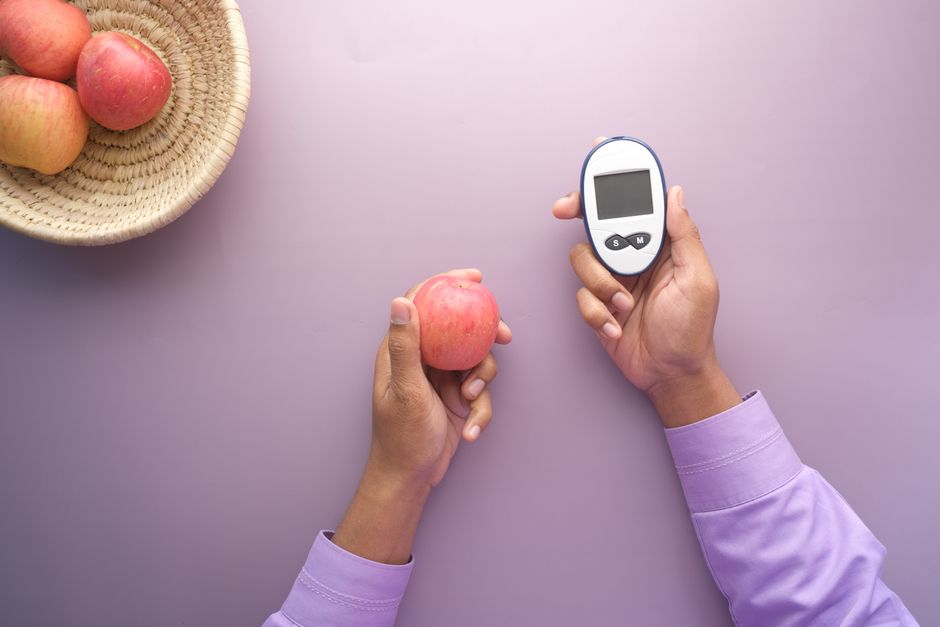
Continuous glucose monitors (CGMs) are small sensors worn on the body that measure glucose levels in real time. They were once reserved for people with type 1 diabetes who needed urgent, life-saving data. Today, the technology is far more common, and the question of who qualifies has expanded significantly. The short answer is that you qualify for a CGM if you have diabetes and take insulin, if you have diabetes and struggle with glucose control, or if you have a condition like prediabetes and your doctor believes the data will help guide treatment. Some people without diabetes also use CGMs for general health tracking, but that use is not backed by the same medical guidelines.
Who Qualifies For Continuous Glucose Monitoring Under Medical Guidelines?
Medical guidelines are clear about who should have access to a CGM. People with type 1 diabetes are the primary candidates. They need insulin every day, and a CGM helps them avoid dangerous lows and highs. Most major diabetes organizations recommend CGMs for anyone with type 1 diabetes, regardless of age, as long as they can use the device safely.
People with type 2 diabetes who take insulin also qualify. This includes people on multiple daily injections or an insulin pump. The data helps them adjust doses and prevents severe hypoglycemia. Some guidelines also support CGM use for people with type 2 diabetes who are not on insulin but have uncontrolled blood sugar. This is a growing area of clinical practice, though insurance coverage varies.
Pregnant women with diabetes are another group that qualifies. This includes women with pre-existing type 1 or type 2 diabetes and those diagnosed with gestational diabetes. CGMs help manage tight glucose targets during pregnancy, which reduces risks for both mother and baby.
What About People With Prediabetes or Insulin Resistance?
Prediabetes affects roughly one in three American adults. It means your fasting glucose is higher than normal but not high enough for a diabetes diagnosis. Many doctors now recommend CGMs for people with prediabetes, especially those who are overweight or have a family history of diabetes.
The logic is straightforward. A CGM shows you how your body responds to specific foods, meals, and daily habits in real time. You can see a spike after a sugary breakfast or a slow rise after a high-carb dinner. That feedback often motivates dietary changes more effectively than a lab test every three months. Some research suggests this kind of real-time feedback helps people lower their average glucose levels. However, large clinical trials have not yet proven that CGM use in prediabetes prevents progression to type 2 diabetes. That evidence is still emerging.
Insulin resistance without a formal prediabetes diagnosis is a grayer area. Some clinicians recommend CGMs for people with PCOS, non-alcoholic fatty liver disease, or metabolic syndrome. These conditions are closely tied to insulin resistance. But no official guidelines currently mandate CGM use for these groups. If your doctor suggests it, it is a reasonable clinical decision, not a standard of care.
Who Does Not Qualify For a CGM?
Healthy people without diabetes or prediabetes do not qualify under medical guidelines. This is an important distinction because CGM marketing often targets this group. The devices are sold directly to consumers, and many healthy people wear them to optimize athletic performance or manage weight. This is called “lifestyle” or “wellness” use.
There is no evidence that a person with normal glucose regulation benefits medically from wearing a CGM. If your body regulates glucose well, the sensor will show normal fluctuations. It will not reveal hidden problems because there are none. Some users report feeling anxious about normal glucose swings that their bodies handle perfectly well. This is a real downside of wearing a CGM without a medical reason.
Insurance companies generally will not cover CGMs for people without a diabetes diagnosis. You can pay out of pocket, but the cost is substantial. A month of sensors can run from $100 to $300 without insurance. That money is better spent on evidence-based preventive care like regular exercise or a balanced diet if you have normal glucose levels.



How Do You Get a CGM Prescription?
You need a prescription for a CGM in the United States. Your doctor writes the prescription, and then you receive the device from a pharmacy or a durable medical equipment supplier. The process starts with a blood test. Your doctor will measure your fasting glucose and your A1C, which reflects your average blood sugar over the past two to three months.
An A1C of 6.5% or higher indicates diabetes. An A1C between 5.7% and 6.4% indicates prediabetes. A normal A1C is below 5.7%. These are established diagnostic criteria from major medical organizations. If your numbers fall into the diabetes or prediabetes range, you have a strong case for a CGM prescription.
Your doctor will also consider your medication regimen. People on insulin or medications that can cause low blood sugar are prioritized. Sulfonylureas and meglitinides are diabetes pills that can cause hypoglycemia. If you take these, a CGM can be a safety tool. Metformin, the most common diabetes medication, rarely causes low blood sugar on its own, so the case for a CGM is less urgent.
Insurance Coverage and Medicare Eligibility
Insurance coverage determines whether a CGM is affordable. Medicare covers CGMs for people with diabetes who use insulin and need frequent glucose testing. Private insurers follow similar rules, though specifics vary by plan. Many require documentation that you test your blood sugar multiple times per day before approving a CGM.
Some insurers have expanded coverage to include people with type 2 diabetes who are not on insulin. This is a recent shift driven by evidence that CGM use improves glucose control in this population. If you have type 2 diabetes and your A1C remains above target despite oral medications, ask your doctor about a CGM. You may qualify even without insulin.
For people with prediabetes, insurance coverage is rare. Most plans consider CGM use for prediabetes to be preventive or lifestyle-based, not medically necessary. You will likely pay out of pocket unless your plan has a specific wellness benefit that covers it.
How a CGM Works and What It Tells You
A CGM uses a tiny sensor inserted just under the skin, usually on the upper arm or abdomen. The sensor measures glucose in the interstitial fluid, the fluid between your cells. It transmits data wirelessly to a receiver or smartphone app. Most sensors need replacement every 7 to 14 days, depending on the brand.
There is a lag between blood glucose and interstitial fluid glucose. The sensor reading can be 5 to 15 minutes behind a fingerstick blood test. This matters during rapid changes, like after a meal or during intense exercise. The devices are accurate enough for treatment decisions in most situations, but they are not perfect.
The main advantage of a CGM is the trend data. You see arrows showing whether your glucose is rising, falling, or steady. You see the time spent in range, which is the percentage of readings between 70 and 180 mg/dL. You see patterns over days and weeks. This is information a fingerstick test cannot provide.
Time in range has become a standard metric in diabetes care. Most guidelines suggest aiming for more than 70% of readings in range for most adults with diabetes. Tight targets are different for pregnancy and for older adults. Your doctor will set your individual goals based on your situation.
Risks and Limitations of CGM Use
CGMs are generally safe, but they have limitations. Skin irritation at the sensor site is the most common complaint. Some people develop redness, itching, or a rash. This is usually manageable by rotating sensor sites and using skin barriers.
Accuracy can be an issue in certain situations. Readings can be less accurate during rapid glucose changes or when you are dehydrated. The devices require calibration with fingerstick tests in some cases, though newer models are factory-calibrated. You should always confirm a CGM reading with a fingerstick test if you feel symptoms that do not match the sensor data.
There is also a psychological component. Some people become obsessed with their glucose numbers. They worry about normal fluctuations that have no clinical meaning. This is especially true for people without diabetes who use CGMs for lifestyle purposes. If you find yourself anxious about your glucose data, talk to your doctor about whether continued use is right for you.
Who Should Not Use a CGM
People who are unwilling to learn the technology should not use a CGM. The devices require setup, sensor changes, and regular data review. If you do not engage with the data, a CGM provides little benefit over standard fingerstick testing.
People with severe skin conditions at potential sensor sites may not be good candidates. If you have extensive psoriasis, eczema, or a history of adhesive allergies, discuss this with your doctor before starting. Alternatives like flash glucose monitors, which require a manual scan rather than continuous transmission, may be a better fit.
Children under age 2 have limited approved CGM options. The sensors are small, but the evidence base for this age group is thinner. If you have a young child with diabetes, a pediatric endocrinologist should guide the decision.
Frequently Asked Questions
Can I get a CGM without a diabetes diagnosis?
Yes, you can buy a CGM out of pocket without a diabetes diagnosis. However, no medical guidelines support this use for people with normal glucose regulation, and insurance will not cover it.
What A1C level qualifies for a CGM?
An A1C of 6.5% or higher indicates diabetes and qualifies you for a CGM prescription. An A1C between 5.7% and 6.4% indicates prediabetes, which may qualify you depending on your doctor and insurance.
Does Medicare cover continuous glucose monitors?
Medicare covers CGMs for people with diabetes who use insulin and need frequent glucose testing. Coverage requires a doctor’s prescription and documentation of your insulin use.
How long does a CGM sensor last?
Most CGM sensors last between 7 and 14 days before they need replacement. The exact duration depends on the brand and model you use.
