
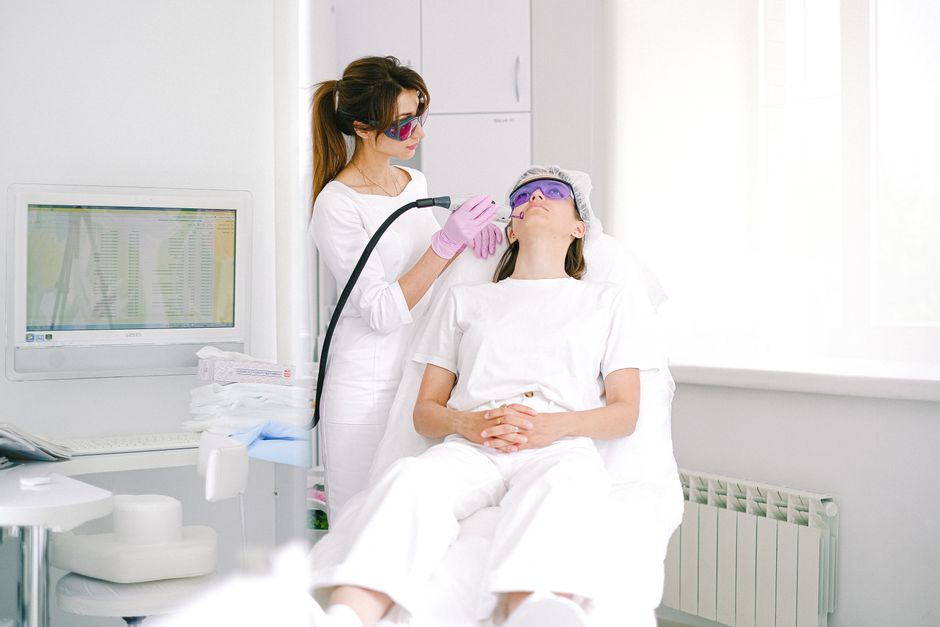
In Texas, laser hair removal is legally considered the practice of medicine. This means a licensed physician must oversee the treatment, and the person actually operating the laser must work under that physician’s delegation. You cannot simply take a weekend course and start treating clients without a medical license and a formal relationship with a supervising doctor.
Who Can Legally Perform Laser Hair Removal In Texas?
The Texas Medical Board regulates laser hair removal. Under state law, only a physician licensed in Texas can delegate the use of a laser to a properly trained individual. The person holding the laser must be an employee of the physician or the physician’s practice, and the physician must be available to respond if complications arise.
This means the laser operator is typically a medical assistant, nurse, or aesthetician who works directly in a medical office. They cannot operate independently. They cannot rent a room and run a solo laser business. The legal structure requires a physician’s direct involvement in the practice.
What Are the Legal Requirements for the Supervising Physician?
The supervising physician must be licensed in Texas and must establish a valid physician-patient relationship with each client. This is a critical legal point that many people misunderstand. The physician must examine the patient, document the patient’s medical history, and provide a written order for the laser treatment.
The physician does not need to be a dermatologist or a plastic surgeon. Any physician licensed in Texas can legally supervise laser hair removal. However, the physician must be physically available to the laser operator during the procedure. “Available” means the physician can be reached quickly by phone or in person if a problem occurs.
The physician must also delegate the specific act of using the laser in writing. This delegation must be documented and kept in the patient’s medical record. The physician cannot delegate to just anyone. The laser operator must be trained and competent to perform the procedure safely.
What Training Does a Laser Operator Need in Texas?
Texas law does not require a specific license for laser hair removal operators. Instead, the physician is responsible for ensuring the operator is adequately trained. The physician must verify the operator’s education and practical experience before allowing them to use the laser.
In practice, most laser operators in Texas are licensed medical assistants, registered nurses, or licensed aestheticians. The medical assistant license requires formal training and passing a certification exam. Registered nurses have completed nursing school and hold an active nursing license. Licensed aestheticians have completed a state-approved cosmetology program with a focus on skin care.
The key legal point is that the training requirement is determined by the supervising physician, not by a state board. The physician must document the operator’s training and must ensure the operator is competent. If the physician fails to do this, both the physician and the operator can face disciplinary action from the Texas Medical Board.





Can an Aesthetician Legally Perform Laser Hair Removal in Texas?
Yes, but only under specific conditions. A licensed aesthetician can perform laser hair removal if they work under a physician’s delegation in a medical setting. The aesthetician cannot perform laser hair removal in a traditional spa or salon without a physician’s oversight.
This is a common source of confusion. Many people assume that because a person has an aesthetician license, they can legally use a laser anywhere. That is incorrect. The aesthetician license alone does not authorize the use of medical lasers. The authorization comes from the physician’s delegation, and the physician must be the one directing the treatment.
If you are considering treatment, always ask to see the medical director’s credentials. Ask whether the person holding the laser is an employee of the physician. Ask how the physician is available during your appointment. If the answers are vague, that is a red flag.
What Are the Penalties for Performing Laser Hair Removal Without a Physician?
Performing laser hair removal without a physician’s delegation is illegal in Texas. The Texas Medical Board can issue cease-and-desist orders, impose fines, and refer cases for criminal prosecution. Practicing medicine without a license is a serious offense in Texas.
In addition to legal penalties, unlicensed laser use carries real safety risks. Lasers can cause burns, scarring, hyperpigmentation, and permanent skin damage if used incorrectly. A person without proper medical training may not know how to adjust the laser settings for different skin types or how to recognize a dangerous reaction during treatment.
If you receive treatment from an unlicensed provider, you have limited legal recourse. Many medical malpractice protections do not apply because the provider is not a licensed medical professional. Your best protection is to verify the credentials of everyone involved in your treatment before you begin.
What Questions Should You Ask Before Getting Laser Hair Removal in Texas?
Before booking a laser hair removal appointment in Texas, ask these specific questions. The answers should be clear and direct. Any hesitation or vague response is a reason to look elsewhere.
- Who is the supervising physician, and are they licensed in Texas?
- Is the person performing the laser an employee of the physician’s practice?
- Has the physician examined me and provided a written order for treatment?
- What training does the laser operator have?
- How can the physician be reached during my appointment?
You can verify a physician’s license through the Texas Medical Board’s website. You can also check whether disciplinary actions have been taken against the physician or the practice. These are public records.
Is Laser Hair Removal Safe When Performed by a Qualified Provider?
Yes, laser hair removal is generally safe when performed by a qualified provider under a physician’s supervision. The FDA has cleared multiple laser devices for hair removal. The procedure has been used for decades with a well-documented safety record.
Common side effects include temporary redness, swelling, and mild discomfort around the treated area. These symptoms usually resolve within a few hours to a few days. More serious complications, such as burns or scarring, are rare but can occur, especially if the laser settings are incorrect for your skin type or if the operator lacks proper training.
The evidence for long-term hair reduction is strong. Most people require multiple sessions because laser treatment only affects hair follicles in the active growth phase. Over time, treated follicles stop producing hair, but some follicles may reactivate, requiring maintenance treatments.
What Is the Difference Between Medical and Non-Medical Laser Hair Removal?
In Texas, this distinction is clear. Medical laser hair removal is performed under a physician’s delegation in a medical setting. Non-medical laser hair removal does not legally exist in Texas, because state law classifies laser hair removal as the practice of medicine.
Some spas and salons offer “light-based” hair removal using IPL, or intense pulsed light. The legal status of IPL in Texas is less clear than laser. Some argue that IPL devices are not lasers and therefore fall outside the medical practice definition. This is a contested area, and the Texas Medical Board has taken action against IPL providers in some cases.
If you are considering IPL treatment, ask the same questions you would ask for laser treatment. Verify the credentials of the provider and the supervising physician. The legal gray area does not reduce the risk of burns or skin damage from an improperly used IPL device.
How Do You Verify a Provider’s Credentials in Texas?
Start with the Texas Medical Board. Their website has a license verification tool where you can search for any physician by name or license number. The tool shows whether the license is active and whether any disciplinary actions are on record.
For the laser operator, ask for their specific credentials. If they are a nurse, verify their license through the Texas Board of Nursing. If they are a medical assistant, ask for proof of certification. If they are an aesthetician, verify their license through the Texas Department of Licensing and Regulation.
You can also ask to see the physician’s written delegation protocol. This document should outline the training requirements, the procedures the operator is allowed to perform, and the physician’s availability during treatment. A legitimate practice will have no problem showing you this document.
Frequently Asked Questions
Can a licensed aesthetician perform laser hair removal in Texas?
Yes, but only under a physician’s delegation in a medical setting. An aesthetician license alone does not authorize laser use without physician oversight.
Do you need a medical license to do laser hair removal in Texas?
Yes. Laser hair removal is legally the practice of medicine in Texas, so a licensed physician must supervise the treatment and delegate the laser use.
Can a nurse perform laser hair removal in Texas?
Yes, a nurse can perform laser hair removal under a physician’s delegation. The physician must have examined the patient and provided a written order.
Is it legal to do laser hair removal without a doctor in Texas?
No. Performing laser hair removal without a physician’s delegation is illegal and can result in fines, cease-and-desist orders, and criminal prosecution.
