
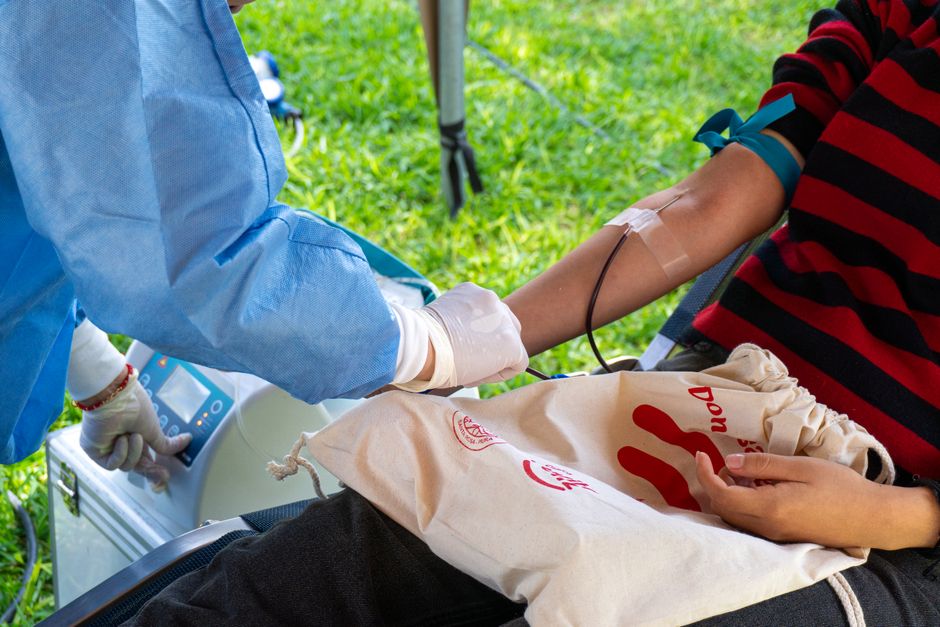
Blood type compatibility decides who can safely receive your blood and who cannot. The core rule is simple: your ABO type and your Rh factor must match the recipient in specific, well-defined ways, or the transfusion can trigger a dangerous immune reaction. Type O negative blood can be given to almost anyone, while AB positive patients can receive blood from almost anyone. Everything else falls somewhere between those two extremes.
This matters for more than emergency rooms. It shapes how blood banks manage supply, why some types are always in demand, and why a pregnant woman’s blood type is checked early in prenatal care.
What Are the Main Blood Type Systems?
The ABO system and the Rh system are the two that matter most in transfusion medicine. Dozens of other blood group systems exist, but ABO and Rh drive the compatibility decisions that keep transfusions safe.
Your ABO type comes down to two things: which antigens sit on the surface of your red blood cells, and which antibodies float in your plasma. Antigens are markers the immune system can recognize. Antibodies are proteins that attack foreign markers.
- Type A has A antigens on the red cells and anti-B antibodies in the plasma.
- Type B has B antigens on the red cells and anti-A antibodies in the plasma.
- Type AB has both A and B antigens and neither antibody.
- Type O has neither A nor B antigen and carries both anti-A and anti-B antibodies.
The Rh system works differently. If you have the Rh D antigen, you are Rh positive. If you lack it, you are Rh negative. Most people are Rh positive. Unlike ABO antibodies, which develop naturally in early life, anti-Rh antibodies usually form only after someone Rh negative is exposed to Rh positive blood — through transfusion or pregnancy.
Who Can Give Blood To Whom Blood Type Compatibility?
Compatibility for red blood cells follows a clear pattern. The recipient’s immune system is the gatekeeper. If the donor’s red cells carry an antigen the recipient already has antibodies against, those antibodies will attack the donor cells.
That is why type O red cells are called the universal donor type: they carry neither A nor B antigen, so anti-A and anti-B antibodies have nothing to grab onto. Type AB plasma is the universal donor plasma for the reverse reason — it contains no anti-A or anti-B antibodies.
| Recipient | Can receive red cells from | Can donate red cells to |
|---|---|---|
| O negative | O negative only | All blood types |
| O positive | O positive, O negative | All Rh positive types |
| A negative | A negative, O negative | A and AB (negative and positive) |
| A positive | A positive, A negative, O positive, O negative | A positive and AB positive |
| B negative | B negative, O negative | B and AB (negative and positive) |
| B positive | B positive, B negative, O positive, O negative | B positive and AB positive |
| AB negative | A negative, B negative, AB negative, O negative | AB (negative and positive) |
| AB positive | All blood types | AB positive only |
One detail people often miss: this table applies to red blood cells. Plasma and platelets follow different rules, because plasma carries the antibodies rather than the red cell antigens. For plasma, the logic flips — type AB plasma is the universal donor and type O plasma is the universal recipient.
Why Does Rh Factor Matter So Much?
Rh status can turn an otherwise compatible match into a dangerous one. If an Rh negative person receives Rh positive blood, their immune system may build anti-Rh antibodies. A first exposure often causes no immediate problem, but the antibodies persist.
A later exposure to Rh positive blood can then trigger a rapid, serious reaction. This is why Rh negative recipients are generally given Rh negative blood whenever possible, especially women of childbearing age.
The stakes are highest in pregnancy. If an Rh negative mother carries an Rh positive baby, some of the baby’s red cells can enter her circulation. Her immune system may respond by making anti-Rh antibodies. Those antibodies can cross the placenta and attack the red cells of a future Rh positive pregnancy, causing hemolytic disease of the newborn — a condition that can range from mild anemia to serious complications.
This is why blood type and antibody screening are part of routine prenatal care. Clinicians can identify an Rh negative mother early and take steps to prevent antibody formation. If you have questions about your own Rh status during pregnancy, that is a conversation for your obstetric provider — the details depend on your specific situation.





What Happens When Blood Types Do Not Match?
A mismatched transfusion can trigger a hemolytic transfusion reaction, one of the most serious events in medicine. The recipient’s antibodies bind to the donor red cells and mark them for destruction. This can unfold quickly.
Signs can include fever, chills, flank or back pain, a feeling of impending doom, dark urine, and a drop in blood pressure. In severe cases the reaction can lead to kidney injury, abnormal clotting, and shock.
This is exactly why blood banks crossmatch donor and recipient blood before transfusion. The crossmatch mixes a sample of the recipient’s plasma with the donor’s red cells and checks for a reaction. It is a direct test, not just a record review, and it catches incompatibilities that typing alone might miss.
Because the system is layered — typing, antibody screening, and crossmatching — serious ABO mismatches in modern hospitals are rare. When they do occur, they are usually traced to human error in sample labeling or patient identification rather than a failure of the science.
Which Blood Types Are Rare and Which Are in Demand?
Type O negative is often described as the most valuable blood type for emergencies, and for good reason. It is the only type that can be given to any patient when there is no time to determine the recipient’s blood type. That makes it the default for trauma and emergency transfusions.
The problem is supply. O negative is relatively uncommon in the population, yet it carries the heaviest demand. Blood banks frequently report shortages of O negative, and donors with this type are especially encouraged to give regularly.
AB positive sits at the other end. It is one of the less common types, but AB positive patients can receive red cells from any type, so they rarely face a supply crunch for red cells. AB plasma, however, is prized because it can be given to patients of any blood type.
Rarity varies by population. Some blood types that are uncommon in one region are more common in another, because blood group frequencies differ across ancestry groups. That is one reason blood banks work to recruit donors from a wide range of backgrounds — a diverse donor pool is a more resilient one.
Can Your Blood Type Change?
Your ABO and Rh type are set by genetics and do not change over your lifetime. A blood test result that seems to shift is almost always a testing or record issue, not a biological one.
There are rare exceptions worth knowing about. Certain conditions and treatments, such as some cancers or stem cell transplants, can alter what antigens appear on red cells or change the antibodies present. In those situations the “blood type” can appear different on testing, but this reflects an underlying medical change, not a normal shift.
For the vast majority of people, the type you were born with is the type you keep. If you have never been typed, a single blood donation or a routine lab order can tell you your ABO and Rh status.
Frequently Asked Questions
Can O negative blood be given to anyone?
Yes, O negative red blood cells can be given to patients of any ABO and Rh type, which is why it is called the universal donor type. It is used most often in emergencies when the recipient’s type is not yet known.
Can a person with type AB receive blood from anyone?
Yes, AB positive patients can receive red cells from any blood type, making them universal recipients for red cells. AB negative patients can receive any type except AB positive and other Rh positive types.
Why is Rh negative blood important during pregnancy?
An Rh negative mother carrying an Rh positive baby can develop antibodies against the baby’s red cells, which may harm a future Rh positive pregnancy. Routine prenatal screening identifies this early so clinicians can take preventive steps.
Does plasma compatibility follow the same rules as red cells?
No, plasma compatibility is essentially reversed because plasma carries antibodies rather than red cell antigens. Type AB plasma is the universal donor plasma, and type O plasma is the universal recipient plasma.
