
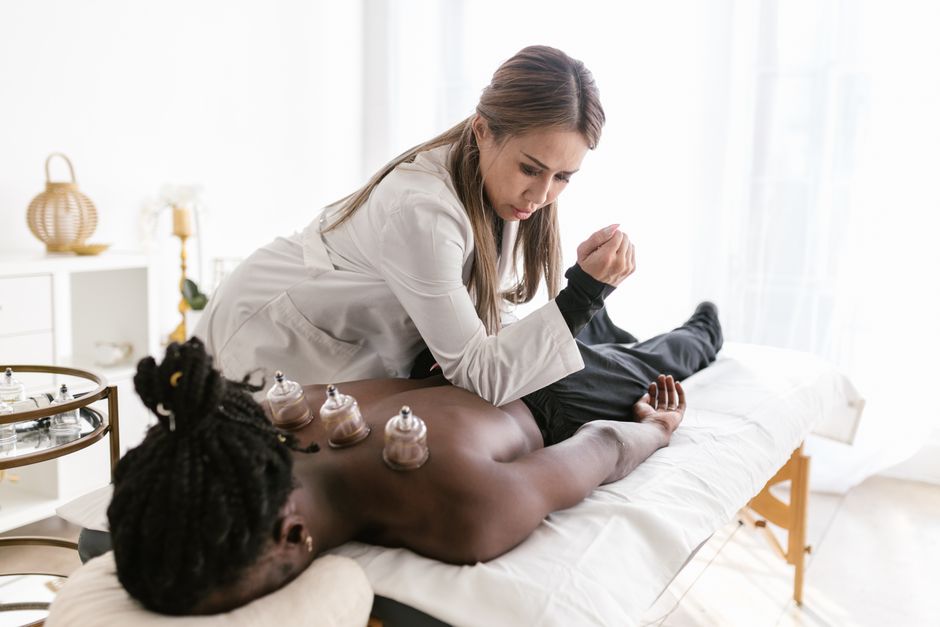
Cupping therapy is a practice in which cups are placed on the skin to create suction, and it is offered by a wide range of people — from licensed acupuncturists and physical therapists to massage therapists and, in some states, chiropractors. There is no single national license for cupping in the United States. Whether a provider is qualified depends far more on their underlying professional license, their specific training in cupping, and the safety standards of the setting than on any one title.
That gap matters, because cupping breaks the skin’s surface barrier in some forms and can cause burns, scars, and infections when performed carelessly. Knowing who is actually trained, and what questions to ask, is the practical part of choosing a provider.
Who Can Do Cupping Therapy? Qualified Providers Explained
Cupping is not a standalone licensed profession in the US. It is a technique that various licensed practitioners may legally perform, depending on state scope-of-practice rules.
The most common provider groups include:
- Licensed acupuncturists — Cupping is part of traditional East Asian medicine training, and many acupuncture programs include it in the curriculum. Acupuncturists are licensed at the state level.
- Massage therapists — In many states, cupping falls within the massage therapy scope. Training varies widely by school and by individual.
- Physical therapists — Some PTs use cupping as an adjunct to musculoskeletal treatment. Whether they can legally perform it depends on state practice acts.
- Chiropractors — Some chiropractic practices offer cupping. Scope varies by state.
- Medical doctors and naturopathic doctors — Physicians can generally perform cupping as part of practice, though few receive formal training in it.
The key point: the title on the door tells you the person holds a professional license. It does not automatically tell you they were trained in cupping, or how much.
Is Cupping Therapy Regulated in the United States?
There is no federal license for cupping therapy. Regulation happens at the state level, and it is inconsistent.
In states where cupping is named in a practice act, it is tied to an existing license — acupuncture, massage, physical therapy, or chiropractic. In other states, cupping is not specifically addressed at all, which means it may be performed by anyone, or may fall under a general “bodywork” category with minimal oversight.
A few states have moved to require specific hours of cupping training before a licensed practitioner can advertise it. Most have not. This is a real limitation, and it means the burden of verifying qualifications often falls on the person receiving the treatment.
It is worth being direct about what this means: in many parts of the country, there is no legal guarantee that a person offering cupping has any formal training in it. That is not a scare tactic. It is simply how the current regulatory landscape looks.
What Training Should a Cupping Provider Have?
There is no universal standard, but there are recognizable markers of legitimate training.
Formal cupping training typically covers:
- Anatomy and safe placement sites, including areas to avoid
- How suction strength affects tissue and skin
- Sterilization and hygiene between clients
- Recognizing contraindications and when to stop
- Fire safety for fire cupping, if that method is used
Acupuncturists generally receive the most structured cupping education, because it is embedded in a multi-year accredited program. Massage therapists and physical therapists may receive it through continuing education courses, which can range from a few hours to more extensive certification.
When a provider cannot describe their training clearly, that is a signal. A qualified provider should be able to tell you where they learned cupping, how long they trained, and what their license allows them to do.




What Are the Different Types of Cupping and Who Performs Them?
The method used affects both risk and who is likely to offer it.
Dry cupping uses suction alone, usually with plastic or glass cups and a hand pump or heat. It is the most common form and is offered by acupuncturists, massage therapists, and some PTs.
Fire cupping uses a flame briefly inside a glass cup to create suction. It carries a burn risk and is most associated with trained acupuncturists and traditional practitioners.
Wet cupping involves small skin incisions before suction, drawing a small amount of blood. This is the form with the highest infection risk and is generally performed by practitioners trained in it, often acupuncturists or physicians in clinical settings. It requires strict sterile technique.
Moving or sliding cupping applies oil and slides the cup across the skin. It is common in massage settings.
If a provider offers wet cupping, ask directly about their bloodborne-pathogen training and how they handle single-use equipment. This is not an unreasonable question.
What Are the Risks and Who Should Avoid Cupping?
Cupping is generally tolerated, but it is not risk-free, and the evidence for its benefits is limited.
Common effects include temporary circular marks that can look like bruises, and mild soreness. These usually fade over several days to about two weeks.
More serious but less common risks include:
- Burns, especially with fire cupping
- Skin infections, including serious ones in rare cases
- Scarring
- Anemia from repeated wet cupping
Certain people should be cautious or avoid cupping. This includes anyone taking blood-thinning medication, people with bleeding disorders, those with skin infections or open wounds in the area, and people with compromised immunity. Cupping over the abdomen or lower back during pregnancy is generally avoided, though clinical guidance here is limited and varies.
Anyone with a serious medical condition should discuss cupping with their treating physician before trying it, particularly because it can interact with medications or mask other issues.
What Does the Evidence Say About Cupping?
The evidence for cupping is limited and mixed. This is the honest position.
Some studies suggest cupping may reduce pain in certain musculoskeletal conditions, such as chronic neck or back pain. But many of these studies are small, and blinding is essentially impossible — a person knows when they are receiving cupping. That makes strong conclusions difficult.
Reviews of the research have generally found low to very low certainty in the available evidence. That does not mean cupping does nothing. It means we do not have high-quality evidence proving it works better than placebo or better than other treatments.
What is well established is the physiology of what cupping does locally: suction pulls skin and underlying tissue upward, increases blood flow to the area, and can leave marks from capillary rupture. Whether that translates into meaningful, lasting symptom relief is the part that remains unproven.
How Do You Choose a Qualified Cupping Provider?
Start with the license. Confirm the provider holds a current state license in acupuncture, massage therapy, physical therapy, chiropractic, or medicine, and that cupping falls within their scope.
Then ask about training specifically. A qualified provider will answer without hesitation.
Questions worth asking:
- What license do you hold, and does it cover cupping in this state?
- Where and how long did you train in cupping?
- How do you clean and sterilize equipment between clients?
- Do you use single-use cups or reusable ones?
- What conditions do you avoid treating with cupping?
Also pay attention to the setting. Clean, well-run clinics handle hygiene visibly. If a provider cannot explain their sterilization process, that is a genuine concern, not a minor one.
Finally, be wary of anyone who guarantees results or claims cupping treats a long list of unrelated conditions. The evidence does not support broad claims, and confidence that outruns the science is its own warning sign.
Frequently Asked Questions
Do you need a license to perform cupping therapy?
There is no separate national cupping license in the US, but most providers perform it under an existing state license such as acupuncture, massage therapy, or physical therapy. Whether cupping is covered by that license depends on state scope-of-practice rules.
Can a massage therapist legally do cupping?
In many states, cupping falls within the massage therapy scope of practice, but this varies by state. Some states require specific cupping training before a massage therapist can offer it.
Is wet cupping safe to get from any provider?
Wet cupping involves small skin incisions and carries a higher infection risk than dry cupping. It should only be performed by a practitioner with specific training in sterile technique and bloodborne-pathogen safety.
What should I ask before getting cupping therapy?
Ask what license the provider holds, whether cupping is within their state scope, how they were trained in it, and how they sterilize equipment between clients. A qualified provider should answer all of these clearly.
