
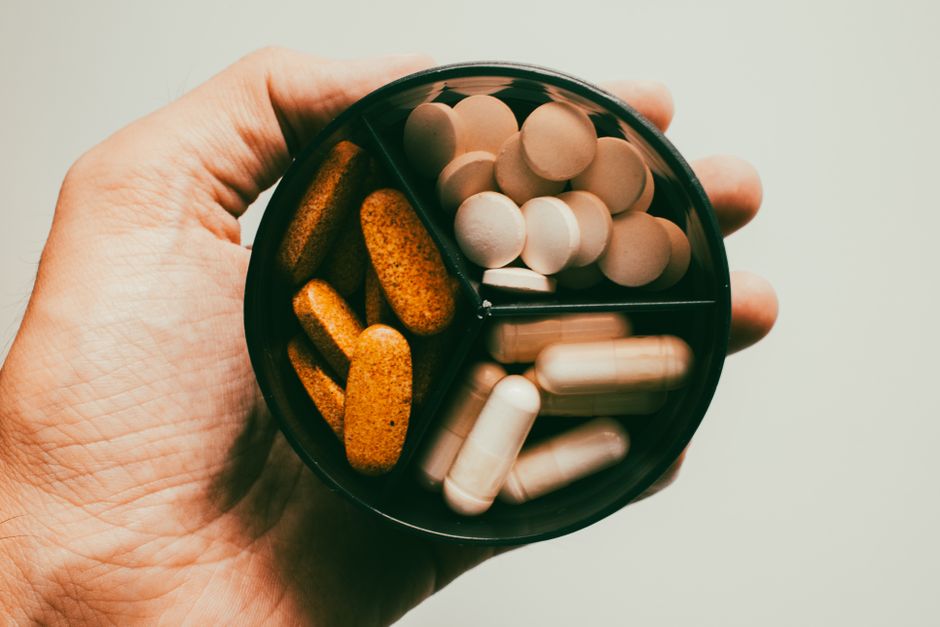
Hair loss is common, and the market for hair-growth vitamins is enormous. The honest answer is that only a few vitamins have real evidence behind them for hair growth, and they mainly help people who are actually deficient. The strongest case is for vitamin D, iron (a mineral, not a vitamin, but it belongs in this conversation), and B vitamins like biotin and B12 when a deficiency exists. For most healthy adults eating a normal diet, a multivitamin will not turn thin hair thick.
That gap between what supplements promise and what they deliver is where most people get misled. Let’s walk through what the research actually supports.
Which Vitamins Are Actually Good For Hair Growth?
The vitamins with the clearest link to hair growth are vitamin D, the B vitamins (especially biotin and B12), and vitamin A. Iron and zinc are minerals that matter just as much. The key word is deficiency. These nutrients support normal hair follicle function, and when you run low, hair can thin or shed. Correcting a deficiency can help restore normal growth. Taking extra when you already have enough does not.
Hair is one of the fastest-growing tissues in the body. The cells in the hair follicle divide rapidly, which makes them sensitive to nutrient shortages. When the body is short on a nutrient it needs, hair growth is one of the first things to slow down. That is why nutrient deficiencies show up in hair before many other places.
This is also why the logic of “more must be better” fails. Once your body has what it needs, the raw material is no longer the limiting factor. Adding more does not push growth faster. In some cases, it causes harm.
Does Vitamin D Help Hair Growth?
Vitamin D has one of the stronger biological links to hair growth. The vitamin D receptor is expressed in hair follicle cells, and it plays a role in the hair growth cycle. Some research has found lower vitamin D levels in people with certain types of hair loss, including telogen effluvium and alopecia areata.
That association is real, but it is not the same as proof that vitamin D supplements regrow hair in people with normal levels. The evidence is stronger for correcting a deficiency than for using vitamin D as a general hair-growth treatment. If a blood test shows you are low, correcting it is reasonable and may support normal hair cycling. If your level is normal, there is no good evidence that extra vitamin D thickens hair.
Vitamin D is one nutrient where deficiency is genuinely common, especially in people with limited sun exposure, darker skin, or who live in northern latitudes. A blood test is the only way to know your status.
Is Biotin Good For Hair Growth?
Biotin gets more marketing attention than any other hair vitamin. The reality is more modest. Biotin deficiency can cause hair loss, but true biotin deficiency is rare in people eating a normal diet, because the body needs only small amounts and gut bacteria also produce some.
There is little good evidence that biotin supplements help hair growth in people who are not deficient. Some small studies and a lot of anecdotal reports suggest benefit, but large, well-controlled trials are lacking. What concerns clinicians more is a safety issue most people never hear about.
High-dose biotin can interfere with common lab tests, including thyroid tests and some heart-related blood tests. The interference can produce falsely abnormal results and has led to misdiagnosis. If you take biotin and need blood work, tell your doctor. This is a real, documented problem, not a theoretical one.
Do B Vitamins Like B12 and Folate Matter For Hair?
Vitamin B12 and folate are involved in cell division, which matters for a tissue that grows as fast as hair. Deficiency in either can contribute to hair loss, and B12 deficiency is more common than many people realize, particularly in older adults, vegetarians and vegans, and people with certain gut conditions.
The pattern holds here too. Correcting a B12 or folate deficiency can help restore normal hair growth. Taking these vitamins when your levels are normal has not been shown to boost hair growth. B12 deficiency can also cause fatigue, tingling in the hands and feet, and other symptoms, so it is worth identifying for reasons well beyond hair.
What About Iron, Zinc, and Vitamin A?
Iron and zinc are minerals, not vitamins, but they belong in any honest discussion of hair and nutrients. Low iron stores are one of the more commonly identified contributors to hair shedding in women, and iron status is often checked when someone reports hair loss. Zinc deficiency can also cause hair loss, though true zinc deficiency is uncommon in healthy adults.
Vitamin A is trickier. Both too little and too much can cause hair problems. Vitamin A deficiency can lead to hair loss, but vitamin A toxicity from excessive supplement use can also cause it. This is a clear example of why more is not better. Most people get enough vitamin A from food, and high-dose vitamin A supplements are not a safe path to better hair.
Here is a comparison of the main nutrients and what the evidence actually supports:
| Nutrient | Link to hair when deficient | Evidence for supplementing when not deficient |
|---|---|---|
| Vitamin D | Established association with certain hair loss types | No good evidence it boosts growth in people with normal levels |
| Biotin (B7) | Deficiency can cause hair loss, but deficiency is rare | Limited evidence; can interfere with lab tests |
| Vitamin B12 | Deficiency can contribute to hair loss | No evidence of benefit if levels are normal |
| Iron (mineral) | Low iron stores linked to hair shedding | Benefit mainly when iron is low; excess iron is harmful |
| Zinc (mineral) | Deficiency can cause hair loss | No clear benefit when zinc is normal |
| Vitamin A | Deficiency and excess can both cause hair problems | Not recommended; excess can cause hair loss |
Should You Take a Hair Growth Supplement?
For most healthy adults, a hair growth supplement is unlikely to help and carries some risk. The people most likely to benefit are those with a confirmed deficiency, and the right way to find that is a blood test, not a guess.
Hair loss has many causes, and nutrient deficiency is only one. Thyroid problems, hormonal changes, certain medications, stress-related shedding, and genetic pattern hair loss are all common and are not fixed by vitamins. If hair loss is significant, sudden, or patchy, it deserves a medical evaluation rather than a supplement. Some causes are treatable, and some are signs of an underlying condition worth catching.
There is also a safety side worth naming. Supplements are not tightly regulated in the same way as prescription drugs, so what is on the label is not always what is in the bottle. High doses of some nutrients, including vitamin A and iron, can cause real harm. Iron in particular should not be taken without knowing your levels, because excess iron accumulates and can damage organs.
What Actually Supports Healthy Hair?
Normal hair growth depends on getting enough of the nutrients above through food, along with adequate protein, since hair is largely made of protein. Severe calorie restriction and rapid weight loss are well-documented triggers of hair shedding, which tells you that overall nutrition matters more than any single vitamin.
Managing stress, treating underlying medical conditions, and avoiding harsh hair treatments all support the hair you have. For genetic hair loss, the treatments with the strongest evidence are not vitamins at all, and a doctor can discuss what is appropriate.
The realistic takeaway is that vitamins help hair mainly when you were short on them to begin with. Testing beats guessing, and a normal level means a supplement is unlikely to do anything except lighten your wallet.
Frequently Asked Questions
Which vitamin is best for hair growth?
Vitamin D has the strongest biological link to hair follicle function, but it mainly helps if you are deficient. No single vitamin regrows hair in people with normal levels.
Does biotin really help hair grow?
Biotin only helps if you are deficient, which is rare in people eating a normal diet. There is little good evidence it boosts hair growth in people with normal biotin levels, and high doses can interfere with lab tests.
Can hair loss from vitamin deficiency be reversed?
Hair often regrows after a deficiency is corrected, but it takes time because hair grows slowly. Regrowth depends on the cause and how long the deficiency lasted.
Should I get tested before taking hair vitamins?
Yes, a blood test is the reliable way to know if you are deficient in vitamin D, B12, or iron. Taking supplements without testing can waste money and, with iron or vitamin A, cause harm.
