
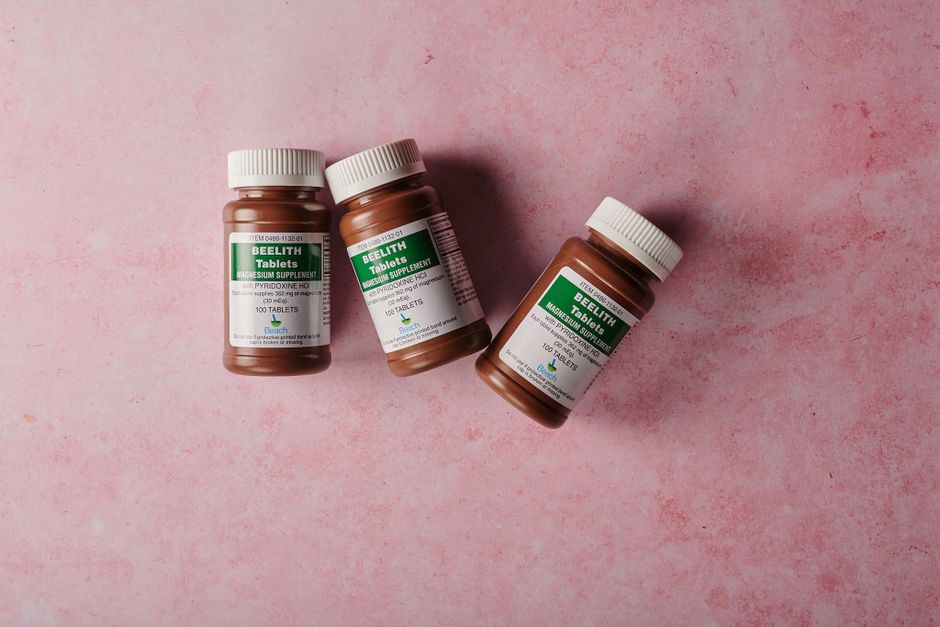
Magnesium glycinate is the best type of magnesium to take during pregnancy. It is well absorbed by the body and gentle on the stomach, making it less likely to cause diarrhea or cramping. Always talk to your doctor before starting any new supplement, especially during pregnancy.
Why Is Magnesium Important During Pregnancy?
Magnesium is a mineral your body needs for hundreds of everyday functions. During pregnancy, it plays a key role in keeping muscles and nerves working properly, maintaining a steady heartbeat, and supporting a healthy immune system. It also helps build strong bones and teeth for your baby.
Studies have found that adequate magnesium intake may help lower the risk of high blood pressure and preeclampsia, a serious pregnancy complication. Getting enough magnesium can also reduce the chance of preterm labor and help with blood sugar regulation. Most of this evidence comes from observational studies, not large clinical trials, but the link is consistent enough that experts recommend meeting the daily requirement.
Your blood volume increases during pregnancy, which can lower magnesium levels. At the same time, your baby needs magnesium to grow. That is why pregnant women have a higher magnesium requirement than non‑pregnant women.
Which Type Of Magnesium Should You Take In Pregnancy?
Not all magnesium supplements are the same. The form of magnesium affects how well your body absorbs it and how likely it is to cause side effects.
Magnesium glycinate is the top choice for pregnancy. It is magnesium bound to the amino acid glycine. This form is highly absorbable and very gentle on the digestive system. It does not usually cause loose stools or diarrhea, which can be a problem with other types. Many healthcare providers recommend magnesium glycinate for pregnant women who need a supplement.
Magnesium citrate is a common over‑the‑counter form. It is reasonably well absorbed, but it can have a laxative effect. Some women use it for constipation during pregnancy. If you do not have constipation, magnesium citrate may cause uncomfortable loose stools or diarrhea.
Magnesium oxide is the cheapest form and is often found in multivitamins. It is poorly absorbed – your body only uses about 4% of the magnesium it contains. It is not the best choice when you need to raise your magnesium levels.
Magnesium sulfate is given intravenously in hospitals to treat preeclampsia and prevent seizures. It is not taken as an oral supplement. Do not use magnesium sulfate pills – they are not sold for dietary supplementation and can be dangerous.
Magnesium threonate is a newer form that may cross the blood‑brain barrier well. It is being studied for brain health, but there is very little research on its safety or effectiveness in pregnancy. Most experts recommend sticking with well‑studied forms like glycinate during pregnancy.
Magnesium malate and magnesium taurate are other forms sometimes used for energy and heart health. They are absorbed reasonably well, but they have less research in pregnancy compared to glycinate. They are generally considered safe, but glycinate remains the first choice for most pregnant women.
How Much Magnesium Do You Need During Pregnancy?
The recommended dietary allowance (RDA) for magnesium during pregnancy is 350 to 360 milligrams per day, depending on your age. Pregnant women ages 19‑30 need 350 mg daily. Those ages 31‑50 need 360 mg daily.
Most women can meet this amount through food alone. Good sources include almonds, spinach, cashews, peanuts, black beans, edamame, and whole grains. One ounce of almonds (about 23 nuts) provides 80 mg of magnesium. A cup of cooked spinach has about 157 mg.
If you are not getting enough from food, a supplement can help. Most prenatal vitamins contain only a small amount of magnesium – often 50 mg or less. That is because magnesium and calcium can compete for absorption, and makers of multivitamins tend to prioritize calcium. A separate magnesium supplement may be needed.
Do not exceed the tolerable upper intake level for magnesium from supplements. This upper limit is 350 mg per day for pregnant women. Getting more than that from supplements can cause diarrhea, cramping, and dangerously low blood pressure. Note that the upper limit applies only to supplemental magnesium – magnesium from food is safe in much higher amounts.





Can You Get Enough Magnesium From Food?
Yes, many pregnant women can hit their magnesium target with diet alone. Magnesium is found in a wide variety of foods. Nuts, seeds, legumes, leafy green vegetables, and whole grains are all rich sources. One cup of cooked black beans gives you about 120 mg. A quarter‑cup of pumpkin seeds provides around 190 mg. A banana offers about 32 mg.
If you eat a balanced diet with plenty of these foods, you may not need a supplement. However, some women have conditions that increase magnesium needs – like gestational diabetes, chronic diarrhea, or vomiting from morning sickness. In those cases, food alone may not be enough. Your doctor can check your magnesium levels with a blood test and advise you on supplementation.
What About Magnesium For Leg Cramps In Pregnancy?
Leg cramps are very common in the second and third trimesters. Many women wonder if magnesium can help. The evidence here is mixed. Some small studies have found that magnesium supplements reduce the frequency and intensity of nighttime leg cramps in pregnant women. Other studies have found no significant benefit over placebo.
A 2020 review of clinical trials concluded that magnesium may help slightly, but the quality of the evidence is low. The researchers said that magnesium is unlikely to cause harm at appropriate doses, but they could not strongly recommend it for leg cramps alone. If you are already taking magnesium for other reasons, it might also help with cramps. If you are not, trying a dose within the recommended range is reasonable, but do not expect a guaranteed fix.
Other strategies for leg cramps include staying hydrated, stretching your calf muscles before bed, and avoiding sitting or standing for long periods. If cramps are severe or persistent, mention them to your doctor – they may check for underlying issues like mineral imbalances or circulation problems.
Is Magnesium Safe For The Baby?
Yes, when taken at the recommended doses, magnesium is safe for both you and your baby. Your body carefully regulates magnesium levels, and excess is excreted through urine. The baby needs magnesium for proper development, including bone formation and nerve function.
Very high doses of magnesium – far above the upper limit – can cause toxicity in the mother, leading to low blood pressure, slowed breathing, and heart rhythm problems. That is why it is important not to take more than your doctor recommends. Intravenous magnesium sulfate given for preeclampsia has been extensively studied and is safe for the baby when used under medical supervision.
There is no evidence that standard oral magnesium supplements cause birth defects or pregnancy complications. However, always inform your prenatal care provider about any supplements you are taking, including magnesium.
Should You Take Magnesium Glycinate At Night?
Many women take magnesium glycinate in the evening because glycine has a calming effect on the brain. Some small studies suggest that magnesium glycinate may improve sleep quality. Although the research is not robust, it is a common and harmless practice to take it before bed. If you are taking magnesium for leg cramps, taking it in the evening may help target cramps that occur at night.
Whether you take it in the morning or at night is less important than taking it consistently. Splitting your dose – half in the morning and half at night – can improve absorption and reduce the chance of loose stools. Always follow the dosage instructions on the label or your doctor’s advice.
Frequently Asked Questions
Can I take magnesium citrate during pregnancy?
Yes, you can take magnesium citrate during pregnancy, but it may cause loose stools or diarrhea. If you are using it for constipation, it can be helpful. Otherwise, magnesium glycinate is a better choice to avoid digestive upset.
Is magnesium oxide safe in pregnancy?
Magnesium oxide is generally safe, but it is very poorly absorbed by the body. It is not the best choice if you need to raise your magnesium levels. Magnesium glycinate or citrate are better options.
What is the best form of magnesium for constipation during pregnancy?
Magnesium citrate is often used for constipation because it draws water into the bowel and stimulates a movement. Start with a low dose and increase gradually to avoid diarrhea. Always check with your doctor first.
Should I take magnesium glycinate or magnesium malate during pregnancy?
Magnesium glycinate is the better studied and more commonly recommended form for pregnancy. Magnesium malate may be an option but has less pregnancy‑specific safety data. Stick with glycinate unless your doctor advises otherwise.
