
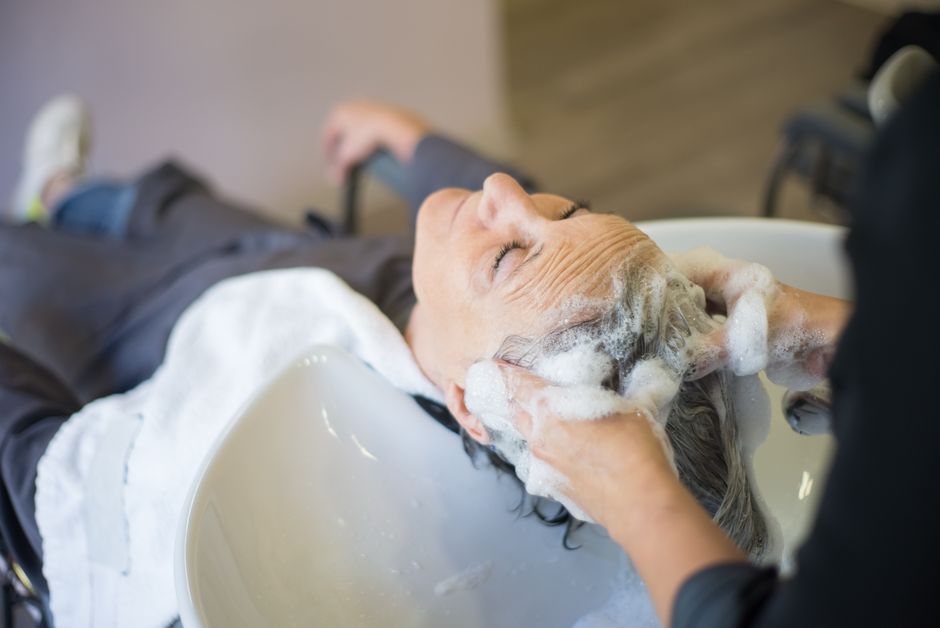
No shampoo regrows hair lost to male or female pattern baldness. That is the honest starting point. A shampoo can clean the scalp, reduce breakage, and in a few specific cases help with a treatable scalp condition. But hair loss from genetics, hormones, or illness needs medical treatment, not a bottle from the drugstore aisle.
What a shampoo can realistically do is support the health of the scalp and the hair you still have. Some ingredients have real evidence behind them. Many do not. Knowing the difference helps you spend your money wisely and avoid products that promise more than they can deliver.
What Actually Causes Hair Loss?
Most hair loss in adults comes down to a small number of causes, and each one responds to different things. Understanding yours is the first step.
The most common cause is androgenetic alopecia, often called male or female pattern baldness. It is driven by genetics and hormones. In men, hair follicles on the scalp become sensitive to dihydrotestosterone (DHT), a hormone that gradually shrinks the follicles and shortens the growth phase of each hair. In women, the pattern is usually more diffuse, with thinning across the top and crown. This type of loss is progressive and does not reverse on its own.
Other common causes include:
- Telogen effluvium — temporary shedding after illness, surgery, childbirth, severe stress, or rapid weight loss. Hair usually returns over months once the trigger resolves.
- Traction alopecia — loss from tight hairstyles, braids, or extensions pulling on follicles over time.
- Breakage — hair snapping from chemical treatments, heat, or rough handling. This is damage to the hair shaft, not loss from the root.
- Scalp conditions — dandruff, seborrheic dermatitis, or fungal infections that irritate follicles.
- Medical causes — thyroid problems, iron deficiency, and certain medications.
This matters because a shampoo cannot fix a hormonal problem or a thyroid disorder. If your hair is thinning, a dermatologist can help identify the cause before you spend money on products.
Which Shampoo is Good for Hair Loss? What the Ingredients Show
A few shampoo ingredients have some research behind them, though the evidence is generally modest and often comes from small studies. No shampoo has been shown to regrow hair the way proven medical treatments do.
Ketoconazole
Ketoconazole is an antifungal ingredient found in some medicated shampoos. It is well established for treating dandruff and seborrheic dermatitis, which are caused by a yeast called Malassezia. Some research suggests ketoconazole may also have a mild effect on pattern hair loss, possibly through its effect on scalp inflammation and hormones at the follicle. The evidence is not strong enough to call it a hair loss treatment on its own. It is a reasonable choice if you also have dandruff or an itchy, flaky scalp.
Caffeine
Some studies suggest caffeine can stimulate hair follicles in the lab and may have a mild effect when applied to the scalp. The evidence in real people is limited and mixed. Caffeine shampoos are widely sold, but no large, high-quality trial has confirmed they regrow hair. Treat the marketing with caution.
Biotin and “hair growth” vitamins
Biotin shampoos and supplements are everywhere. Biotin helps with hair growth only if you are genuinely deficient, which is uncommon in people eating a normal diet. For most people, biotin shampoo does nothing for hair loss. There is also a real safety concern: high-dose biotin supplements can interfere with certain lab tests, including thyroid and heart tests. Tell your doctor if you take them.
What to be skeptical of
Many shampoos marketed for hair loss contain ingredients with no human evidence at all. “Strengthening,” “thickening,” and “revitalizing” are marketing words, not medical claims. A shampoo that makes hair look thicker is often just coating the shaft with proteins or polymers — a cosmetic effect that washes out.
What Can a Shampoo Realistically Do?
A good shampoo keeps the scalp clean and healthy, which supports the environment where hair grows. It can reduce breakage so hair looks fuller. It can control dandruff and itching. Those are real benefits.
What it cannot do is stop pattern baldness or regrow hair that has already been lost to it. If a follicle has shrunk and stopped producing visible hair, shampoo will not bring it back. That requires treatments with evidence behind them, which we cover below.
One useful distinction: if your hair looks thinner because it is breaking, a gentle, conditioning shampoo can genuinely help. If it looks thinner because hair is not growing, shampoo is the wrong tool. Look at whether you see short broken hairs or a widening part and receding hairline. That difference guides your next step.
How Should You Choose a Shampoo If You’re Losing Hair?
Match the shampoo to your scalp, not to a marketing promise. A few practical guidelines hold up well.
- If you have dandruff or a flaky, itchy scalp, a medicated shampoo with ketoconazole, zinc pyrithione, or salicylic acid can help. These treat the scalp condition, which is worth doing regardless of hair loss.
- If your hair is dry or breaking, choose a gentle, sulfate-light shampoo and a conditioner. Reducing breakage preserves the hair you have.
- If your scalp is normal, a mild everyday shampoo is fine. There is no need to spend more for “hair loss” claims.
- Avoid harsh daily washing with strong detergents if your scalp is sensitive. Over-washing can dry and irritate the scalp.
Be wary of any shampoo that promises regrowth. No shampoo currently on the market has been shown in strong clinical trials to regrow hair lost to pattern baldness. If a product claims to, ask what trial supports it. Most cannot point to one.
What Actually Treats Hair Loss?
The treatments with the strongest evidence for pattern hair loss are medications, not shampoos. This is where real progress happens.
Minoxidil is a topical treatment available over the counter. It is one of the few treatments shown in clinical trials to slow hair loss and, in some people, stimulate regrowth. It works best when started early and used consistently. Results take months, and hair loss often resumes if you stop.
Finasteride is a prescription oral medication for men with pattern baldness. It works by reducing DHT. It has good evidence for slowing loss and promoting regrowth in many men, but it can cause side effects and requires a doctor’s involvement.
Other options a clinician may discuss include other prescription medications, low-level laser therapy, and hair transplant surgery. Each has its own evidence base, benefits, and limits. A dermatologist can help you weigh them against your situation.
For hair loss caused by a treatable condition — thyroid disease, iron deficiency, a scalp infection — treating the underlying cause is what restores hair. A shampoo plays no meaningful role there.
When Should You See a Doctor?
See a doctor or dermatologist if hair loss is sudden, patchy, or accompanied by scalp pain, redness, or scaling that does not improve. Also seek care if you notice thinning alongside fatigue, weight changes, or other symptoms that could point to a medical cause.
For gradual thinning that fits a pattern, an early conversation with a clinician is still worthwhile. Treatments for pattern baldness work best when started early, before more follicles are lost. Waiting to “see if it gets better” usually means more ground to recover later.
Hair loss is common and treatable in many cases. The key is matching the right tool to the right cause. A shampoo can be part of a healthy routine, but it is not a treatment for baldness — and any product that says otherwise is overselling.
Frequently Asked Questions
Can shampoo regrow hair?
No shampoo has been shown in strong clinical trials to regrow hair lost to pattern baldness. Some ingredients may support scalp health or mildly reduce shedding, but proven regrowth comes from medical treatments like minoxidil or finasteride.
Which shampoo is best for thinning hair?
There is no single best shampoo, because it depends on your scalp. If you have dandruff, a medicated shampoo with ketoconazole or zinc pyrithione can help; if your hair is breaking, a gentle conditioning shampoo reduces damage. None of these treat genetic hair loss itself.
Does caffeine shampoo help with hair loss?
Some studies suggest caffeine may have a mild effect on hair follicles, but the human evidence is limited and mixed. No large, high-quality trial has confirmed caffeine shampoo regrows hair.
Does biotin shampoo help hair grow?
Biotin helps hair growth only if you are genuinely deficient, which is uncommon in people eating a normal diet. For most people, biotin shampoo does not affect hair loss.
