
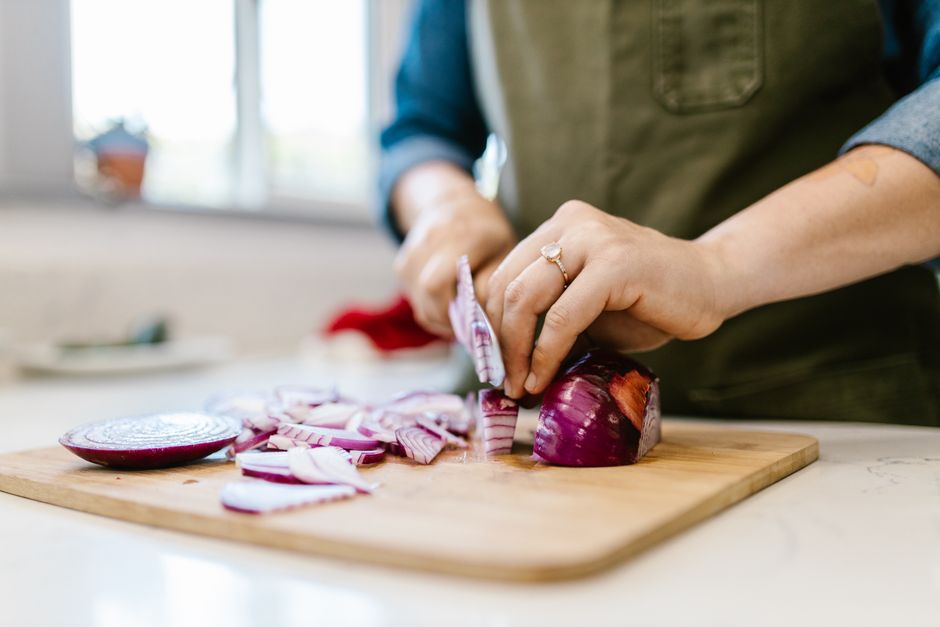
If you are looking for the single healthiest onion, red onions come out on top in most comparisons. They contain the highest levels of protective plant compounds called anthocyanins, which give them their deep purple-red color and act as antioxidants in the body. That said, all onions are nutrient-dense vegetables with real health benefits, and the best choice for you may depend on how you plan to cook and eat them.
Which Onion Is The Healthiest?
Red onions are generally considered the healthiest because they contain anthocyanins, a type of flavonoid antioxidant that yellow and white onions do not have. These compounds are linked to reduced inflammation and better heart health in research studies.
Red onions also tend to have higher total antioxidant activity than white or yellow varieties when measured in laboratory studies. This does not mean other onions are unhealthy. It simply means red onions offer an extra layer of protective compounds that the others lack.
What Makes Onions Good for You in the First Place?
Onions belong to the Allium family, which also includes garlic, leeks, and shallots. What makes them distinctive is their high concentration of sulfur-containing compounds. When you cut or crush an onion, these compounds mix with enzymes and form new substances that give onions their sharp smell and taste.
These sulfur compounds are the main reason onions are studied for health effects. Research has linked regular onion consumption with lower risk of certain cancers, particularly stomach and colorectal cancers, though the exact protective mechanism is not fully confirmed in human trials.
Onions also provide a meaningful amount of vitamin C, vitamin B6, potassium, and dietary fiber. A medium onion has roughly 60 calories and about 15 percent of your daily vitamin C needs. They are low in sodium and contain no fat, which makes them a practical addition to most eating patterns.
Red Onions: The Antioxidant Leader
Red onions stand out because of their color. The red-purple pigment comes from anthocyanins, the same family of antioxidants found in blueberries and red cabbage. These compounds are not present in meaningful amounts in yellow or white onions.
Anthocyanins are associated with several health benefits in observational studies, including improved blood vessel function and reduced oxidative stress. Some research also suggests they may help with blood sugar control, though most of this evidence comes from animal studies or small human trials.
One practical note: red onions lose some of their anthocyanin content when cooked. If you want maximum antioxidant intake from red onions, eat them raw in salads, salsas, or as a topping. Cooking them is still healthy, but the pigment compounds degrade with heat.





Yellow Onions: The Cooking Workhorse
Yellow onions are the most commonly used cooking onion in the United States. They have a balanced flavor that becomes sweet and mild when cooked, which makes them versatile for soups, stews, sauces, and caramelized dishes.
Nutritionally, yellow onions are very similar to red onions in base nutrients like fiber, vitamin C, and potassium. What they lack is the anthocyanin content. However, yellow onions still contain quercetin, a flavonoid antioxidant that is present in all onion varieties.
Quercetin has been studied for its anti-inflammatory and antihistamine properties. Some research suggests it may help reduce symptoms of allergic rhinitis and support cardiovascular health, though the evidence is not strong enough to make firm clinical recommendations.
Yellow onions are an excellent everyday choice. They may not have the extra antioxidant boost of red onions, but they are affordable, widely available, and easy to incorporate into regular meals.
White Onions: Mild and Practical
White onions have a sharper, more pungent flavor when raw but become mild and sweet when cooked. They are popular in Mexican cuisine and are often used raw in pico de gallo and other fresh salsas.
White onions contain similar base nutrients to yellow onions. They have quercetin and other flavonoid compounds, but they generally test lower in total antioxidant activity than red onions in comparative studies.
White onions are not a nutritionally inferior choice. They are simply less studied than red and yellow varieties, and they lack the unique anthocyanin compounds found in red onions. If you prefer their flavor, they are still a healthy vegetable to include in your diet.
Shallots and Green Onions: Worth Considering
Shallots are technically a different species from common onions, but they belong to the same Allium family. They have a milder, sweeter flavor and contain similar sulfur compounds and antioxidants. Some research suggests shallots may have higher phenolic content than common onions, but the evidence is limited and inconsistent.
Green onions, also called scallions, are onions harvested before the bulb fully forms. They are lower in calories and have a milder flavor. They still provide vitamin K, vitamin C, and some fiber, but their overall nutrient density is lower than mature onions because the bulb is smaller.
Both shallots and green onions are healthy additions to meals. They do not replace the nutritional value of mature onions, but they add variety and flavor with minimal calories.
Does Cooking Change the Health Benefits?
Cooking affects onion nutrients in several ways. Heat degrades some antioxidants, particularly the anthocyanins in red onions. At the same time, cooking makes some nutrients easier for your body to absorb.
The sulfur compounds in onions are also affected by heat. Cooking reduces their pungency, which some people find makes onions easier to digest. However, the most intense health-promoting sulfur compounds are present when onions are raw or lightly cooked.
Frying onions at high temperatures can create acrylamide, a compound that is classified as a probable carcinogen in animal studies. This is not unique to onions and is not a reason to avoid them. But it is a reason to prefer sautéing, roasting, or boiling over deep frying.
How Much Onion Should You Eat?
There is no official daily recommendation for onion intake specifically. General dietary guidelines encourage eating a variety of vegetables, and onions can count toward that goal.
Observational research on Allium vegetables suggests that people who eat them regularly, such as several times per week, may have lower rates of certain chronic diseases. This does not mean eating more onions guarantees protection. It means onions are part of a pattern of healthy eating that is associated with better outcomes.
A practical approach is to use onions as a regular flavor base in cooking rather than treating them as a supplement. One medium onion per day is a reasonable and safe amount for most people.
Are There Any Downsides to Eating Onions?
Onions are safe for most people, but they can cause digestive discomfort in some individuals. They contain fructans, a type of fermentable carbohydrate that can trigger bloating and gas in people with irritable bowel syndrome or other digestive sensitivities.
People on blood-thinning medications should be aware that onions contain vitamin K, though the amount is modest. A medium onion provides about 0.4 micrograms of vitamin K per 100 grams, which is a small fraction of the daily recommended intake. This is unlikely to interfere with medication, but it is worth mentioning to your doctor if you eat large amounts regularly.
Some people experience skin irritation or eye discomfort when cutting onions. This is caused by a compound called syn-propanethial-S-oxide, which is released when onion cells are damaged. It is harmless but can be annoying. Chilling onions before cutting or cutting them under running water can reduce this effect.
Which Onion Should You Buy?
For maximum antioxidant intake, choose red onions and eat them raw when possible. For everyday cooking, yellow onions offer a good balance of flavor, nutrition, and cost. White onions are a fine choice if you prefer their taste, and shallots or green onions add variety without sacrificing nutrition.
The most important factor is not which single onion you choose, but whether you eat onions at all. All varieties are low-calorie, nutrient-dense vegetables that support a healthy diet. The differences between them are real but modest, and none of them is a bad choice.
If you are trying to improve your overall vegetable intake, the best onion is the one you will actually use regularly in your cooking. Buy what fits your meals and your taste preferences, and you will get genuine health benefits from any variety.
Frequently Asked Questions
Are red onions healthier than yellow onions?
Red onions contain anthocyanins, which yellow onions lack, giving them higher antioxidant activity in laboratory studies. Both varieties are healthy, but red onions offer an extra layer of protective plant compounds.
Is it better to eat onions raw or cooked?
Raw onions retain more antioxidants, especially the anthocyanins in red onions, but cooking makes some nutrients easier to absorb. Both raw and cooked onions provide genuine health benefits, so eat them whichever way you prefer.
Can eating onions every day be harmful?
For most people, eating onions daily is safe and healthy. People with irritable bowel syndrome or fructan sensitivity may experience bloating or gas, and those on blood thinners should mention their onion intake to their doctor.
Do shallots count as onions nutritionally?
Shallots are a different species but belong to the same Allium family and provide similar sulfur compounds and antioxidants. They are a healthy choice, though they are less studied than common onion varieties.
