
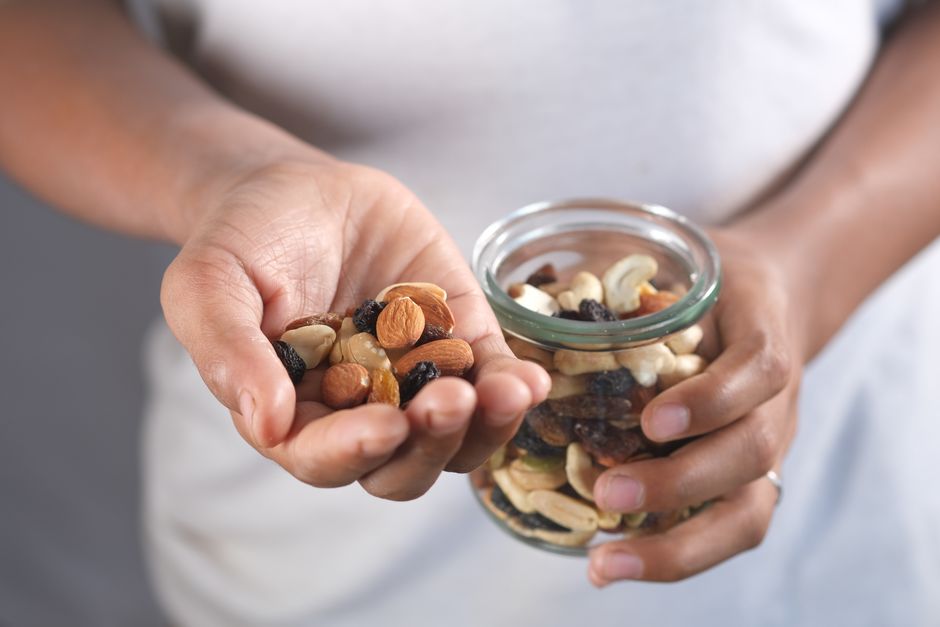
Nuts have a reputation as a health food, and for good reason. But the idea that every nut fights inflammation is a simplification. The truth is that most nuts lean anti-inflammatory, a few are neutral, and the way a nut is processed matters as much as the nut itself. Here is what the evidence actually supports.
Most tree nuts and peanuts are linked to lower markers of inflammation in studies. The main exceptions are nuts coated in sugar, deep-fried, or heavily salted, which can work against the anti-inflammatory effects of the nut itself. There is no single nut that directly causes inflammation in the way a bacterial infection does, but some preparations and some individual reactions can push the body in that direction.
This article explains what inflammation actually is, which nuts have the strongest evidence behind them, which ones deserve caution, and where the research is genuinely thin.
What Does Inflammation Actually Mean In The Body?
Inflammation is not a disease. It is a normal immune response. When your body detects injury or infection, immune cells release signaling molecules called cytokines that recruit more immune cells to the area. This is acute inflammation, and it is protective. A sprained ankle swells and turns red because blood flow increases and immune cells arrive to clean up damaged tissue.
The problem arises with chronic low-grade inflammation. This is a persistent, mild activation of the immune system that does not resolve. It is measured in blood tests through markers like C-reactive protein (CRP), interleukin-6 (IL-6), and tumor necrosis factor alpha (TNF-alpha). Elevated levels of these markers over time are associated with cardiovascular disease, type 2 diabetes, and some cancers.
Diet influences these markers. Some foods tend to lower them. Others tend to raise them. Nuts generally fall into the first category, but the details matter.
Which Nuts Have The Strongest Evidence For Reducing Inflammation?
Walnuts have the most consistent evidence. They are the only common nut with a meaningful amount of alpha-linolenic acid (ALA), a plant-based omega-3 fatty acid. Omega-3s are precursors to compounds that help resolve inflammation. A large analysis published in the American Journal of Clinical Nutrition found that walnut consumption was associated with lower levels of inflammatory markers, though the effect sizes were modest.
Almonds also show up repeatedly in the research. They are high in vitamin E, magnesium, and fiber. Some controlled trials have found that eating almonds reduces CRP and IL-6 compared to a control diet, though not every study agrees. The evidence is suggestive but not uniform.
Pistachios have a growing body of evidence. Some trials have found improvements in inflammatory markers with regular pistachio intake, but the studies are smaller and fewer than those on walnuts and almonds.
Other nuts with supportive but less extensive evidence include:
- Hazelnuts — high in monounsaturated fat and vitamin E
- Pecans — rich in polyphenols, which have antioxidant properties
- Brazil nuts — very high in selenium, a mineral involved in antioxidant defense
- Peanuts — technically legumes, but nutritionally similar to tree nuts and linked to lower CRP in some observational studies
The pattern across the research is consistent: people who eat nuts regularly tend to have lower inflammatory markers than people who do not. Whether that is because of the nuts themselves or because nut eaters tend to have other healthy habits is harder to untangle. Randomized controlled trials, which can better isolate cause and effect, generally support a modest anti-inflammatory effect.
Which Nuts Cause Inflammation And Which Prevent It?
No whole, raw, unsalted nut has been shown to directly cause inflammation in human studies. The question is better framed as which nuts and nut products can work against your body’s anti-inflammatory systems.
Cashews are sometimes singled out as inflammatory. The concern comes from their fat profile, which is higher in saturated fat than most other nuts. Saturated fat can promote inflammation when it replaces unsaturated fat in the diet. But cashews also contain magnesium, copper, and polyphenols. The evidence that cashews cause inflammation in typical amounts is weak. They are better described as neutral than harmful.
The bigger issue is processing. Consider these differences:
- Raw or dry-roasted unsalted nuts retain their natural fat profile and polyphenol content
- Oil-roasted and heavily salted nuts add sodium and sometimes oxidized oils
- Honey-roasted, candied, or chocolate-coated nuts add sugar, which independently promotes inflammation when eaten in excess
- Nuts fried in reused oil can contain oxidized fats that may promote oxidative stress
If you are trying to reduce inflammation through diet, the form of the nut matters as much as the type. A handful of raw walnuts is not the same as a handful of honey-roasted peanuts.




Does Roasting Nuts Destroy Their Anti-Inflammatory Benefits?
Roasting reduces some beneficial compounds but does not eliminate them. Heat degrades certain polyphenols and can oxidize some of the unsaturated fats, especially at high temperatures or for long periods. Vitamin E levels also drop with roasting.
That said, the overall fatty acid profile remains largely intact with typical roasting. Dry roasting at moderate temperatures preserves more of the beneficial compounds than oil roasting or deep frying. If you eat roasted nuts, dry-roasted and unsalted is the better choice. Raw is not necessarily superior in every case — some research suggests that roasting can actually improve the availability of certain nutrients by breaking down cell walls.
The practical takeaway: roasting is not a dealbreaker. Frying in poor-quality oil or coating in sugar is a bigger concern.
Are There People Who Should Avoid Certain Nuts?
Nut allergies are the most serious concern. For people with a diagnosed tree nut or peanut allergy, even trace amounts can trigger a severe immune response. This is not inflammation in the dietary sense — it is an acute, potentially life-threatening reaction. Anyone with a known allergy should follow their allergist’s guidance strictly.
Beyond allergy, a few situations warrant attention:
- Brazil nuts are extremely high in selenium. A single Brazil nut can contain more than the daily recommended amount. Regularly eating several per day can lead to selenium toxicity, which causes hair loss, brittle nails, and neurological symptoms. One or two occasionally is generally considered safe for most adults.
- Cashews and pistachios are sometimes implicated in digestive discomfort in people with sensitive guts, though this is not well studied.
- Salt-sensitive individuals should watch heavily salted nut products, since excess sodium can contribute to hypertension and vascular stress.
For most healthy adults, there is no reason to avoid any particular nut based on inflammation concerns alone.
How Much Do Nuts Actually Lower Inflammation?
The effect is real but modest. A review of controlled trials found that nut consumption typically produces small reductions in CRP and IL-6, not dramatic ones. Nuts are one piece of a dietary pattern, not a standalone anti-inflammatory treatment.
The larger context matters. Diets rich in vegetables, fruits, whole grains, legumes, and fish tend to reduce inflammatory markers more consistently than any single food. Nuts fit into that pattern well. They do not replace it.
If someone eats a typical Western diet and adds a handful of walnuts, they may see a small improvement. If they replace processed snacks with nuts, the improvement is likely larger because they are also removing pro-inflammatory foods. The comparison group in the study matters as much as the nut.
What About Nut Butters And Nut Oils?
Nut butters can be anti-inflammatory or not, depending on what is added. Natural nut butter made from just nuts and salt retains the nutritional profile of the whole nut. Many commercial nut butters add sugar, palm oil, and emulsifiers. These additions can shift the product toward neutral or mildly pro-inflammatory.
Nut oils are a mixed bag. They contain the fat-soluble nutrients of the nut but lose most of the fiber and many polyphenols. Some nut oils, like walnut oil, retain omega-3s. Others, like peanut oil, are mostly monounsaturated and low in omega-3s. Nut oils are fine for cooking but do not carry the same evidence for inflammation reduction as whole nuts.
If you are choosing based on inflammation, whole or minimally processed nuts are the better option. Nut butters with minimal added ingredients are a reasonable alternative. Nut oils are not a substitute.
Frequently Asked Questions
Do cashews cause inflammation?
No human study has shown that cashews directly cause inflammation when eaten in normal amounts. Their saturated fat content is higher than most nuts, but the overall evidence does not support calling them inflammatory.
Are peanuts as anti-inflammatory as tree nuts?
Peanuts are legumes, not tree nuts, but their nutritional profile is similar and some studies link peanut consumption to lower CRP. The evidence is not as strong as for walnuts, but peanuts are not pro-inflammatory.
Does roasting nuts make them inflammatory?
Roasting reduces some polyphenols and vitamin E but does not turn nuts inflammatory. Dry-roasted unsalted nuts remain a reasonable choice. The bigger concern is added sugar, salt, or frying oil.
How many nuts should I eat to reduce inflammation?
Most studies showing benefits use about one ounce per day, roughly a small handful. No official guideline specifies an amount for inflammation specifically, but one ounce daily is consistent with general dietary recommendations for nuts.
