
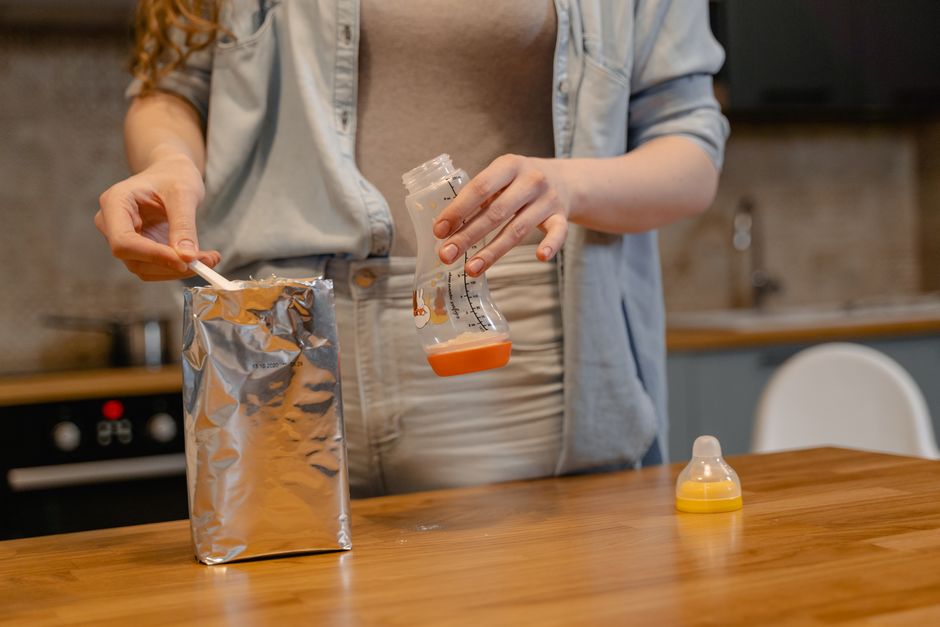
There is no single best milk powder during pregnancy. The right choice depends on your diet, your health, and what your doctor advises. What matters most is safety: choose a product that is clearly labeled for pregnancy or as a maternal formula, and avoid any powdered product that is not meant for pregnant women. Most pregnant women in the US do not need a special pregnancy milk powder at all. A balanced diet plus a standard prenatal vitamin covers the key nutrients. Milk powder is a convenience, not a requirement.
Do You Actually Need a Pregnancy Milk Powder?
Most pregnant women do not. The nutrients that matter most in pregnancy — folate, iron, calcium, vitamin D, iodine, and protein — can come from food and a standard prenatal vitamin.
Prenatal vitamins are the main source of folic acid and iron for many women. Folic acid is the one nutrient with strong, consistent evidence for reducing the risk of neural tube defects when taken before conception and in early pregnancy. That is why it is built into prenatal vitamins rather than left to diet alone.
A pregnancy milk powder can help if your diet is limited or you struggle to eat enough. It can also be useful if you cannot tolerate regular dairy. But it is not a substitute for a prenatal vitamin, and it does not replace real food.
One clarification worth knowing: “pregnancy milk powder” is not a regulated category in the US. There is no official standard that a product must meet to carry that label. That means the label alone tells you little. You have to read the nutrition panel and the ingredients yourself.
Which Milk Powder Is Best During Pregnancy?
The best choice is a product made specifically for pregnancy or as a maternal formula from a reputable brand, with a clear nutrition panel and no added herbs or unproven ingredients. If you use a standard milk powder instead, choose one that is pasteurized and fortified with vitamin D.
Here is what to look for on the label:
- Made for pregnancy: Look for a maternal or pregnancy formula with a full nutrient breakdown. These are designed to fill gaps in a pregnant diet.
- Folic acid and iron: Check that these are included if the product claims to support pregnancy nutrition. These are the two nutrients most often short in early pregnancy.
- Vitamin D and calcium: Fortified products are better than unfortified ones, since many women fall short on vitamin D.
- No herbal add-ons: Avoid products with added herbs, “detox” blends, or botanical extracts. Safety data for these in pregnancy is generally lacking.
- Low or no added sugar: Many flavored milk powders are high in added sugar, which adds calories without nutrition.
Beyond the label, the biggest factor is how the powder is handled. More on that below.
Is Powdered Milk Safe During Pregnancy?
Powdered milk is not sterile. This is the fact most people miss. Liquid milk is pasteurized, which kills harmful bacteria. Powdered milk is made by drying, and the drying process does not sterilize it. Bacteria such as Cronobacter and Salmonella can survive in powdered products.
For most healthy adults, this is a low risk. For pregnant women, it matters more. Pregnancy changes the immune system, and infections that would be mild in other adults can be more serious. The concern is not hypothetical — public health agencies have documented cases of Cronobacter infection linked to powdered infant formula, which is why infant formula has strict preparation rules.
The practical fix is simple: mix the powder with hot water, not cold. Use water hot enough to kill bacteria, then let it cool before drinking. Follow the product’s own preparation instructions, and never leave a mixed drink sitting at room temperature for long.
If you are unsure whether a product is safe, ask your doctor or midwife. Do not rely on the label alone.




What About the Risk of Contamination in Milk Powder?
The main contamination risk in milk powder comes from how it is made and stored, not from the milk itself. Once a powder is opened, it can pick up moisture and bacteria from the air and from wet spoons.
Keep these points in mind:
- Store powder in a cool, dry place, tightly closed.
- Use a dry scoop every time. Moisture is what lets bacteria grow.
- Check the use-by date and throw out powder that smells off or has clumped from moisture.
- Do not mix a batch ahead of time and store it. Mix what you will drink now.
These steps reduce risk but do not eliminate it. That is why hot-water preparation matters more than storage alone.
How Does Milk Powder Compare to Other Milk During Pregnancy?
Liquid pasteurized milk is the lower-risk option because it has already been heat-treated. If you want the nutrition of milk with less contamination concern, liquid milk is the simpler choice. Powdered milk is mainly a convenience and shelf-stable option.
Here is a direct comparison of the main options:
| Option | Contamination risk | Key note |
|---|---|---|
| Liquid pasteurized milk | Low | Already heat-treated; simplest choice |
| Powdered milk (mixed with hot water) | Low when prepared correctly | Not sterile; hot water is essential |
| Powdered milk (mixed with cold water) | Higher | Avoid during pregnancy |
| Unpasteurized (raw) milk | High | Avoid during pregnancy |
Raw milk is the one to avoid outright. It has not been heat-treated, and public health agencies consistently advise pregnant women against it because of the risk of Listeria, Salmonella, and other infections.
Which Nutrients Should You Check on the Label?
Focus on the nutrients that pregnancy raises the demand for. The exact amounts you need should come from your doctor, since needs vary. But the label tells you what the product contributes.
The key ones are:
- Folate or folic acid: Critical in early pregnancy for the baby’s developing nervous system.
- Iron: Demand rises in pregnancy, and many women are low.
- Calcium: Supports the baby’s bone development.
- Vitamin D: Helps the body absorb calcium.
- Iodine: Important for the baby’s brain development. Dairy is a major iodine source in many diets.
- Protein: Needed for the baby’s growth and your own tissue changes.
Do not double up. If you take a prenatal vitamin and drink a fortified pregnancy milk, check the combined totals so you are not getting excessive amounts of anything. Too much of certain vitamins, such as vitamin A from retinol, is not safe in pregnancy. Ask your doctor if you are unsure about your combined intake.
What Should You Avoid in a Pregnancy Milk Powder?
Avoid products with added herbs, botanical extracts, or “detox” ingredients. Safety data for most of these in pregnancy is limited or absent. Also avoid anything unpasteurized, and skip powders marketed with weight-loss or “cleansing” claims.
Watch for these red flags:
- Herbal blends or plant extracts with no pregnancy safety information.
- High added sugar or artificial sweeteners in large amounts.
- Claims that a product “supports” or “boosts” pregnancy without a clear nutrient panel.
- Products not labeled for pregnancy but marketed to pregnant women.
Marketing language is not evidence. A product can say it supports pregnancy nutrition while containing little of what actually matters. Read the nutrition facts, not the front of the package.
The Bottom Line
There is no universal best milk powder in pregnancy. Choose a product clearly made for pregnancy, check the nutrient panel, prepare it with hot water, and keep it dry and sealed. Most women do not need one at all if they eat well and take a prenatal vitamin.
If you have a restricted diet, a health condition, or you are unsure what you need, talk to your doctor or midwife. They can tell you whether a pregnancy milk powder adds anything to your specific situation.
Frequently Asked Questions
Is it safe to drink milk powder during pregnancy?
Yes, if it is pasteurized powder mixed with hot water and stored correctly. Powdered milk is not sterile, so mixing it with cold water raises the risk of harmful bacteria.
Which milk powder is best during pregnancy?
A product clearly labeled for pregnancy or as a maternal formula from a reputable brand, with folic acid, iron, calcium, and vitamin D on the label. Most women do not need one if they eat well and take a prenatal vitamin.
Can I drink regular milk powder instead of pregnancy formula?
Yes, standard pasteurized milk powder is fine when prepared with hot water. It is not designed to fill pregnancy nutrient gaps the way a maternal formula is, so a prenatal vitamin still matters.
Should I avoid raw or unpasteurized milk powder in pregnancy?
Yes. Unpasteurized dairy carries a higher risk of infections such as Listeria and Salmonella, and public health agencies advise pregnant women to avoid it.
