
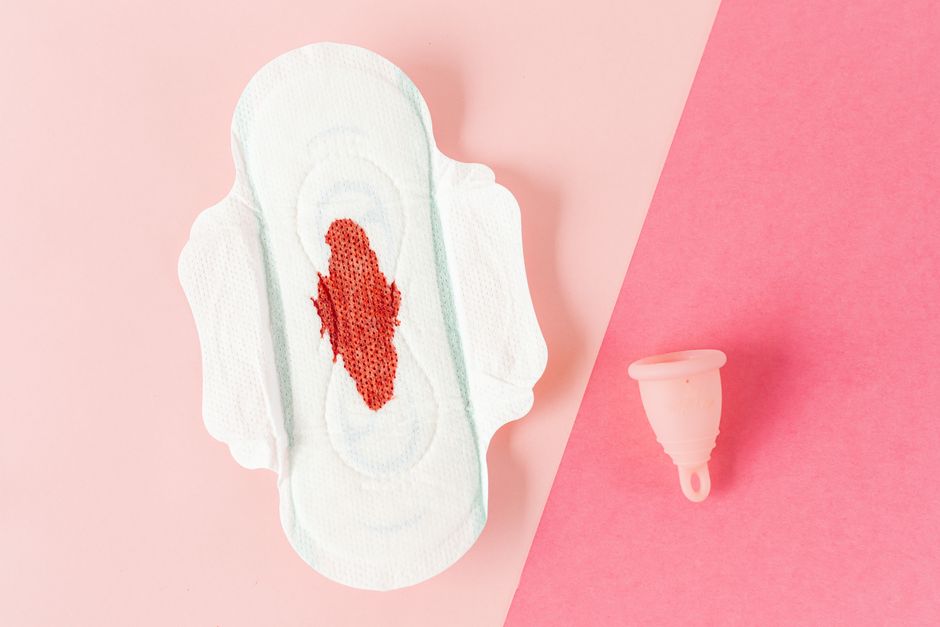
There is no single best menstrual cup. The right one depends on your cervix height, your flow, and whether you have given birth vaginally. Getting the size and firmness right matters more than the brand. A cup that fits well is comfortable and leak-free. A cup that fits poorly can leak, press on your bladder, or be hard to remove.
How Do You Measure Cervix Height for a Menstrual Cup?
Cervix height is the single most important measurement, and most people never check it. Your cervix is the opening at the bottom of your uterus. Its position changes across your cycle, and it sits at different heights in different people.
To measure, wash your hands and insert one finger into the vagina until you feel your cervix. It feels firm and rounded, a little like the tip of your nose. Note how far in your fingertip had to go.
- Low cervix: you can reach it with your fingertip or first knuckle.
- Average cervix: you reach it around your second knuckle.
- High cervix: you cannot reach it, or only barely touch it.
Check during your period, not mid-cycle, because the cervix sits lower during menstruation for many people.
This measurement decides cup length. A high cervix needs a longer cup so you can reach the base to remove it. A low cervix needs a shorter cup so it does not sit past the vaginal opening or press against the pelvic floor. If your cervix is low and you use a long cup, the stem may stick out and cause irritation. If your cervix is high and you use a short cup, removal becomes a fishing expedition.
One detail worth knowing: the cervix does not always sit in the center of the vaginal canal. It can tilt forward or back. If yours tilts, you may need to angle the cup toward it rather than straight up.
How Do You Choose the Right Cup Size?
Most brands offer two or three sizes, and the labels are not standardized across companies. A “small” from one brand may match a “medium” from another. Ignore the label and compare actual dimensions.
Two factors drive size: flow volume and vaginal delivery history.
If you have given birth vaginally, the pelvic floor muscles are often more relaxed, and a larger diameter cup usually seals better. This is a general pattern, not a rule. Some people who have delivered vaginally still do well with a smaller cup, and some who have not need a larger one.
Flow matters for capacity, not diameter. If you have a heavy flow, a higher-capacity cup means fewer empties per day. On a heavy day, some people need to empty a cup every few hours regardless of size. The cup does not change how much you bleed.
Age is a weaker guide than most brands suggest. Being over 30 does not automatically mean you need a larger cup. Muscle tone varies more between individuals than it does by age alone.
Which Menstrual Cup Is Best For Me: Size Fit Tips
Fit comes down to three things: length, diameter, and firmness. Get these right and the brand matters far less.
Length should match your cervix height. The cup body plus stem should be short enough that nothing protrudes when it sits correctly, but long enough that you can reach the base.
Diameter should be wide enough to seal against your vaginal walls without causing pressure. If you feel the cup pressing on your bladder or rectum, it is likely too firm or too large.
Firmness is the most overlooked factor. Firmer cups open more easily and seal well, which suits people with strong pelvic floor muscles or an active lifestyle. Softer cups are more comfortable for people with sensitive bladders or a weaker pelvic floor, but they can be harder to pop open.
A few practical tips:
- If your cup leaks but sits high, it may be too soft to stay open.
- If you can feel pressure on your bladder, try a softer or smaller cup.
- If removal is painful or difficult, the cup may be too short for your cervix height.
- If the stem irritates you, it can usually be trimmed, but trim in small steps because you cannot add it back.
Expect a learning curve. Most people need two or three cycles to get consistent placement and a reliable seal. That is normal and not a sign you chose wrong.





Does Menstrual Cup Firmness Matter?
Firmness affects how the cup behaves more than any other single feature. It is measured differently by each brand, so there is no universal scale. You often have to read reviews or compare cups side by side.
Firm cups are easier to insert because they open with less effort. They resist collapsing under pelvic floor pressure. That makes them a good match for people with strong muscles or those who are very active.
Soft cups are gentler on the bladder and urethra. If you have ever felt like you needed to urinate more often while wearing a cup, firmness is the likely cause. Soft cups can also be harder to open, which sometimes leads to leaks.
There is no firmness that is objectively better. The right choice depends on your body and your tolerance for a learning curve.
Can a Menstrual Cup Cause Leaks or Discomfort?
Leaks and discomfort usually point to a fit problem, not a defective cup. The most common causes are a cup that is too soft to stay open, a cup that is too short and sits below the cervix, or a seal that never formed.
If the cup sits next to your cervix instead of under it, blood flows past it. Repositioning so the cup surrounds the cervix fixes this. Running a finger around the rim after insertion confirms the seal.
Discomfort has different causes. Pressure on the bladder or rectum often means the cup is too firm or too large. Pain on removal usually means the cup is too short to reach or the seal is not broken before pulling. Pinching the base to release suction before removal prevents that.
If discomfort continues across several cycles after you have adjusted size and position, it is reasonable to try a different cup. It is also reasonable to stop and use another product. No method suits everyone.
Are Menstrual Cups Safe to Use?
Menstrual cups are widely used and generally considered safe when cleaned and used as directed. Reusable cups are regulated as medical devices in the United States.
There is one serious but rare risk worth knowing. Cases of toxic shock syndrome have been reported with menstrual cup use. TSS is a rare, life-threatening condition linked to certain bacterial toxins, and it is most associated with tampons. The reports with cups are uncommon, but they exist. Symptoms include sudden high fever, rash, vomiting, and feeling faint. If these appear during your period, remove the cup and seek medical care right away.
Basic hygiene lowers risk. Wash your hands before inserting or removing the cup. Rinse the cup with clean water between empties. Follow the manufacturer’s instructions for cleaning between cycles, which usually means boiling or using a designated cleanser. Do not leave a cup in longer than the manufacturer recommends.
The evidence on long-term effects is limited because cups are newer than pads and tampons. What exists suggests they are well tolerated by most users.
How Do You Know If a Cup Is Right for You?
You know a cup fits when you cannot feel it, it does not leak on your heaviest day, and you can remove it without pain. If any of those three is off, adjust the size, firmness, or position before assuming cups are not for you.
Some people never find a cup that works well, and that is a legitimate outcome. Period underwear, discs, pads, and tampons all remain reasonable options. The goal is a method you can use comfortably, not loyalty to one product.
No clinical guidelines currently exist that tell you which specific cup to buy. The fit factors here are based on how the anatomy works and on consistent patterns reported by users, not on large controlled trials comparing brands.
Frequently Asked Questions
How do I know my cervix height for a menstrual cup?
Insert a clean finger during your period and feel for your cervix, then note how far in it sits. If you reach it with your fingertip, it is low; if you cannot reach it, it is high.
Should I choose a small or large menstrual cup?
Size should match your flow and whether you have delivered vaginally, not your age. A larger diameter often seals better after vaginal birth, while capacity matters most for heavy flow.
Why does my menstrual cup leak even when it feels inserted correctly?
Leaks usually mean the cup is too soft to stay open, too short to sit under the cervix, or never sealed. Check placement and firmness before assuming the cup is faulty.
Are menstrual cups safe to wear overnight?
Many people wear cups overnight, but you should not leave one in longer than the manufacturer recommends. There have been rare reports of toxic shock syndrome with cup use, so watch for fever, rash, or faintness.
