
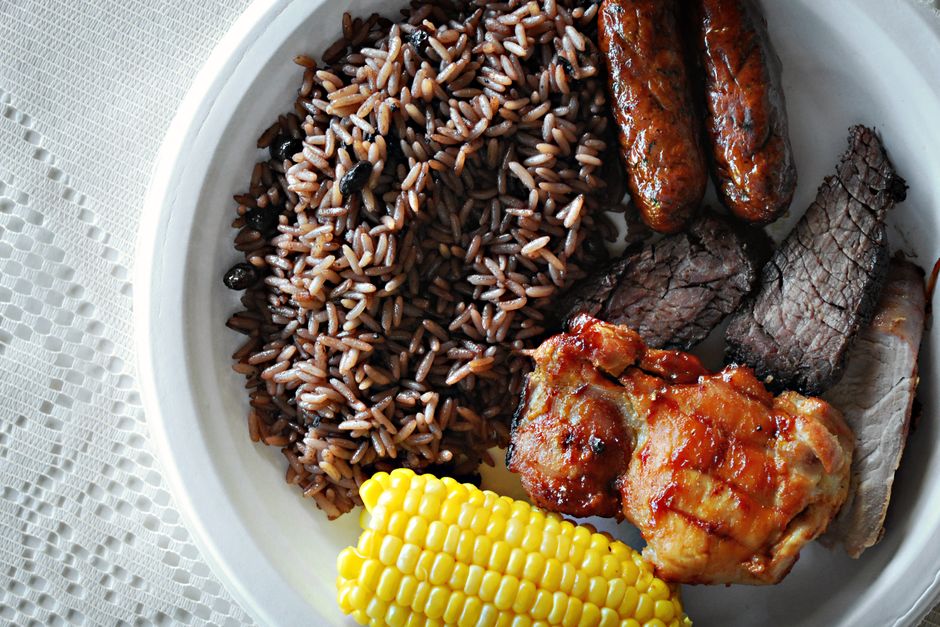
Skinless chicken breast and turkey breast deliver the most protein per serving among common meats, at roughly 30 to 31 grams of protein per 3-ounce cooked portion. Lean pork loin and lean beef cuts land close behind, in the mid-to-high 20s. The bigger surprise is how narrow the gap really is: most lean meats cluster within a few grams of each other, and how you cook and portion them matters as much as which animal they came from.
Protein numbers on meat are usually reported per 3-ounce cooked serving, which is about the size of a deck of cards. That standard matters because raw and cooked weights are not the same thing — meat loses water as it cooks, so 4 ounces raw typically shrinks to about 3 ounces cooked. Comparing a raw weight to a cooked weight is one of the most common ways people misjudge how much protein they are actually eating.
Which Meat Has The Most Protein Per Serving?
Skinless chicken breast sits at the top of the list. A 3-ounce cooked portion contains about 30 to 31 grams of protein, and very little fat — roughly 3 grams — because the skin has been removed. Turkey breast is essentially tied with it.
Here is where the ranking gets less dramatic than people expect. The difference between the highest-protein meat and a lean cut of beef is often only 3 to 6 grams per serving. That is a small spread. Anyone choosing between chicken breast and lean sirloin for protein reasons alone is splitting a very fine hair.
What separates the top of the list from the bottom is mostly fat and water content, not protein density. Meat is muscle tissue, and muscle is roughly 20 to 25 percent protein by weight when raw. Fatty cuts and processed meats dilute that protein with fat, added water, and binders. That is the real reason chicken breast outranks bacon — not because poultry muscle is fundamentally different from beef muscle.
How Do Common Meats Compare Side by Side?
The table below shows approximate protein per 3-ounce cooked serving for common meats. These figures reflect typical values from USDA nutritional data and will vary somewhat by cut, trim level, and cooking method.
| Meat (3 oz cooked) | Protein (approx.) | Fat (approx.) |
|---|---|---|
| Chicken breast, skinless | 30–31 g | 3 g |
| Turkey breast, skinless | 30 g | 3–4 g |
| Lean pork loin | 26–28 g | 7–9 g |
| Lean beef (sirloin, round) | 24–26 g | 8–10 g |
| Chicken thigh, skinless | 24–26 g | 9–11 g |
| Lean lamb | 23–25 g | 9–11 g |
| Ground beef, 85% lean | 22–24 g | 13–15 g |
| Pork chop, trimmed | 22–24 g | 12–14 g |
| Bacon, cooked | 10–12 g | 12–14 g |
Notice that chicken thigh is only about 6 grams behind chicken breast. The white-meat-versus-dark-meat gap is real but modest. Dark meat carries more fat and slightly more calories, but it is still a strong protein source, and many people find it more satisfying to eat.
Does Cooking Method Change the Protein Content?
Cooking does not destroy protein in any meaningful way. It changes the weight of the meat by driving off water, which concentrates the protein per ounce. That is why a 3-ounce cooked portion contains more protein than 3 ounces of the same meat raw.
Grilling, roasting, and pan-searing all concentrate protein similarly because they all cause moisture loss. Boiling or braising can actually leach some protein and flavor into the cooking liquid, though the effect on total protein is modest. The bigger practical issue is what gets added.
Breading and frying add fat and carbohydrates, which lowers the protein percentage of the finished bite. Glazing with sugary sauces adds calories without protein. None of this changes the protein in the meat itself — it changes how much protein you get per calorie. A fried chicken breast and a grilled one contain similar protein per ounce, but the fried version carries substantially more fat and calories.
Is More Protein Per Serving Always Better?
No. Chasing the highest number per serving misses what most people actually need, which is enough total protein spread sensibly across the day. The gap between chicken breast and lean beef is small enough that taste, cost, iron content, and how the meat fits your overall diet usually matter more.
There is a practical ceiling worth knowing about. Your body does not build muscle faster just because a single meal contains an enormous protein load. Research on protein absorption and muscle protein synthesis suggests that a meal containing roughly 20 to 40 grams of high-quality protein supports muscle building in most adults, and additional protein beyond that in one sitting is used for energy or other purposes rather than building more muscle. A 3-ounce serving of chicken breast already lands inside that range.
Fatty cuts also bring something lean cuts do not: saturated fat and calories. For people watching saturated fat, the leaner meats at the top of the protein list tend to be the better all-around choice. For people who need iron, beef and lamb offer heme iron, which the body absorbs more efficiently than the non-heme iron found in plants. That is a genuine nutritional advantage of red meat that the protein ranking does not capture.
What About Processed Meats and Deli Slices?
Processed meats sit near the bottom for protein density. Bacon, sausage, hot dogs, and many deli meats contain added fat, water, and fillers that push protein down per serving. A 3-ounce serving of bacon delivers only about 10 to 12 grams of protein — less than half of what chicken breast provides.
Deli turkey and chicken breast can look lean on the label, but many are injected with water and salt solutions. That added water counts toward the serving weight, so the protein per ounce drops. Reading the ingredient list and checking the protein-to-weight ratio is more useful than trusting front-of-package claims.
Processed meats also carry a separate consideration. Large observational studies have linked regular consumption of processed meat to higher rates of colorectal cancer, and major health organizations have noted this association. That is a different question from protein content, but it is relevant if processed meat is a regular part of your diet.
How Does Meat Compare to Other Protein Sources?
Meat is one of the most protein-dense foods available, but it is not the only one. A 3-ounce serving of cooked fish like salmon or tuna provides about 20 to 25 grams of protein, close to lean beef. Eggs deliver about 6 grams each. Greek yogurt and cottage cheese are strong options at roughly 20 to 25 grams per cup.
Plant proteins generally carry less protein per serving weight because they come packaged with more water and carbohydrate. Cooked lentils provide about 18 grams per cup, and tofu about 20 grams per half-cup. These are solid sources, but you need larger portions to match what a small serving of meat delivers.
What meat offers that most plant foods do not is a complete amino acid profile in a compact portion, along with heme iron and vitamin B12. Those are real nutritional strengths. They are also the reason meat remains a practical protein anchor for many people, even though plant-based eating can meet protein needs with more planning.
How Much Protein Do You Actually Need?
The general adult recommendation is about 0.8 grams of protein per kilogram of body weight per day — roughly 46 grams daily for the average woman and 56 grams for the average man. A single 3-ounce chicken breast covers more than half of that.
People who are physically active, older adults, and those building muscle often benefit from more, and higher intakes are widely discussed in sports nutrition and healthy aging research. The exact optimal amount is still debated, and individual needs vary. What is clear is that most people eating meat regularly have little trouble hitting recommended protein levels. The more common problem is not too little protein but too much of it coming from fatty and processed sources.
Frequently Asked Questions
Which meat has the most protein per serving?
Skinless chicken breast and turkey breast lead at about 30 to 31 grams of protein per 3-ounce cooked serving. Lean pork loin and lean beef follow closely in the mid-to-high 20s.
Is chicken breast higher in protein than beef?
Yes, but only modestly — typically by about 4 to 6 grams per 3-ounce cooked serving compared with lean beef cuts. Fatty ground beef shows a larger gap because of its higher fat content.
Does cooking meat reduce its protein content?
No, cooking does not meaningfully destroy protein. It removes water, which actually concentrates protein per ounce, so cooked meat has more protein per serving than the same weight raw.
How much protein is in a 3-ounce serving of meat?
Most lean meats provide roughly 22 to 31 grams of protein per 3-ounce cooked serving. Processed meats like bacon are much lower, around 10 to 12 grams.
