
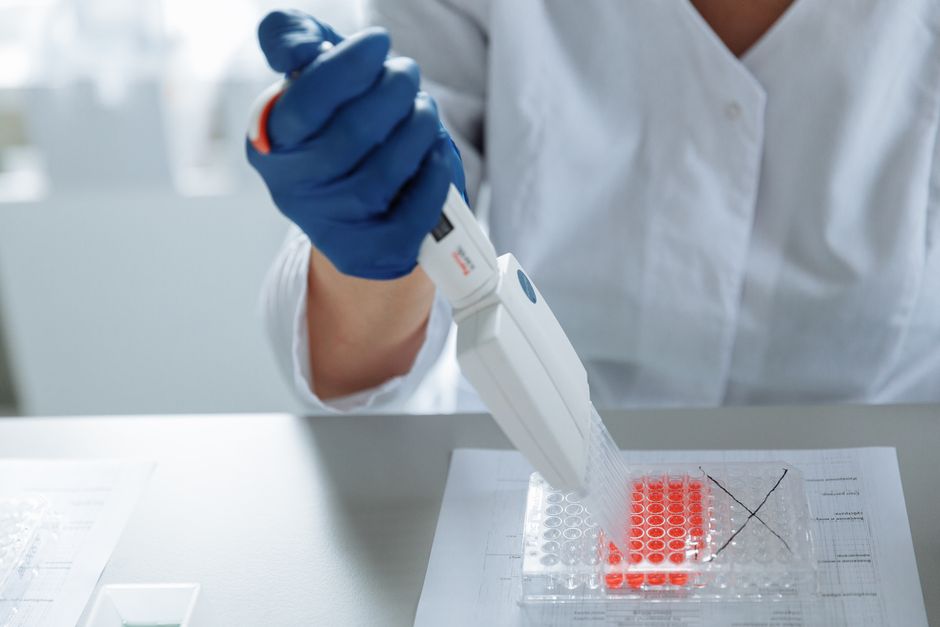
If you are comparing PRP and stem cell therapy, the short answer is that they are not really competitors. PRP uses your own blood plasma, concentrated and injected, to deliver growth factors that may calm inflammation and support tissue repair. Stem cell therapy uses cells — most often your own bone marrow or fat tissue — with the goal of rebuilding or regenerating damaged tissue. Neither is a proven cure for most joint or tendon conditions, and the evidence for each is uneven.
Which is better depends almost entirely on what is being treated. For many tendon and soft tissue problems, PRP has more published research behind it. For cartilage and bone repair, stem cell approaches have more biological rationale but far fewer completed high-quality human trials. Cost, regulation, and the specific clinic matter as much as the biology.
What Is PRP Therapy and How Does It Work?
PRP stands for platelet-rich plasma. A clinician draws a small amount of your blood, spins it in a centrifuge to separate the components, and injects the platelet-concentrated portion into the injured area.
Platelets contain granules packed with growth factors — proteins that signal cells to migrate, divide, and lay down new matrix. The logic is straightforward: deliver a concentrated dose of those signals directly to a tissue that is healing poorly. Whether that logic translates into meaningful clinical benefit is where the evidence gets thinner.
What is well established is the basic physiology. Platelets do release growth factors, and those factors do influence cell behavior in laboratory studies. What is not well established is how much of that translates into measurable improvement in pain or function for a given patient.
PRP is not a single product. Concentration, whether white blood cells are included, how many injections are given, and how the sample is prepared all vary widely between clinics. This variability is one reason study results differ so much.
What Is Stem Cell Therapy and What Does It Actually Involve?
Most clinics offering “stem cell therapy” for joints and tendons are using one of two things: bone marrow aspirate concentrate (BMAC) or adipose (fat) tissue-derived cells. Neither is a drug. Both are processed tissue samples taken from your own body and injected back into you.
The cells most often discussed are mesenchymal stem cells, also called mesenchymal stromal cells. These are not embryonic stem cells. They are adult cells found in bone marrow, fat, and several other tissues. They can develop into bone, cartilage, and fat cells under the right conditions in a lab.
Here is where honesty matters. Injected into a joint or tendon, these cells do not reliably become new cartilage or new tendon. The evidence suggests they mostly act by releasing signaling molecules that may reduce inflammation and influence the local environment. That is a real biological effect, but it is different from regrowing tissue.
True stem cell treatments — where cells are expanded in a lab and used to rebuild tissue — exist for a small number of conditions, mostly in blood and immune disorders. Those are not what most orthopedic clinics offer.
Which Is Better PRP Or Stem Cell Therapy for Joint Pain?
For knee osteoarthritis, the honest position is that neither has strong, consistent evidence of superiority over the other, and both have weaker evidence than many patients are led to believe.
Some studies suggest PRP may reduce knee osteoarthritis pain in the short term compared with placebo injections. Results vary, and the quality of many trials is limited by small size, inconsistent preparation methods, and short follow-up. Some studies suggest BMAC may help with knee osteoarthritis symptoms, but the number of high-quality trials is smaller.
Direct head-to-head comparisons between PRP and stem cell injections are few. When they exist, they often show similar results at short follow-up. That does not prove equivalence — it means the studies were not designed or powered to detect a difference.
A practical reality: insurance rarely covers either. PRP typically costs several hundred to over a thousand dollars per injection. Stem cell procedures usually cost more because they involve a separate harvest step. Prices vary widely by region and clinic.
What matters more than the label is what is being injected, how it is prepared, how many injections are planned, and what the realistic goal is. Pain relief and tissue regeneration are different outcomes, and most studies measure the first, not the second.



How Do They Compare for Tendons and Ligaments?
For tendon problems, PRP has more research behind it than stem cell injections. That does not mean it works for every tendon or every patient.
The picture for tennis elbow is a useful example. Early enthusiasm for PRP was followed by larger, better-controlled trials that produced mixed results. Some found benefit, others found none. Current clinical opinion is divided, and PRP is not universally recommended.
For rotator cuff tendinopathy and Achilles tendinopathy, evidence is similarly mixed. Some studies show short-term pain improvement. Others show no difference from placebo or from standard rehabilitation.
Stem cell injections for tendon problems are earlier in the research pipeline. Some small studies report improvement, but the number of patients studied is small and follow-up is often short. No large trial has established that these injections repair tendon tissue better than standard care.
What Does the Evidence Actually Show?
Across both treatments, the same pattern appears: promising small studies, inconsistent larger ones, and a shortage of long-term data.
A few points are worth stating plainly:
- Neither PRP nor stem cell injections are approved by the FDA as treatments for arthritis, tendon injuries, or most orthopedic conditions. They are regulated as tissue products in most cases, not as drugs.
- Many studies compare the treatment to a placebo injection, but the placebo response in joint injections is substantial. This makes small trials hard to interpret.
- Study methods differ so much that pooling results is difficult. Two studies labeled “PRP” may use completely different preparations.
- Long-term outcomes — beyond a year — are largely unstudied for both.
One clarification that gets lost: the question “which is better” assumes both work. For many conditions, the more accurate question is whether either works better than standard care like physical therapy, exercise, or in some cases surgery.
Are These Treatments Safe?
Because PRP and most stem cell injections use your own tissue, the risk of allergic reaction or rejection is low. That is a genuine advantage over some other injectable treatments.
The most common side effects are local: pain, swelling, and soreness at the injection site. These usually settle within a few days.
More serious risks exist. Any injection into a joint carries a small risk of infection. If a clinic uses cells from a donor rather than from you, the risk profile changes and immune reactions become possible. Some clinics use products that are not what the label implies, and independent testing has found that some products marketed as stem cell treatments contain no living stem cells at all.
The evidence on long-term safety is limited because long-term follow-up is limited. That is not the same as saying these treatments are dangerous. It means the safety record is incomplete, and patients should understand that going in.
How Should You Think About Choosing?
The choice should follow the diagnosis, not the marketing.
If you have a tendon problem and are considering an injection, PRP has more published evidence, though it is mixed. If you have cartilage loss or a joint problem and are considering a cell-based injection, the evidence is earlier and weaker, and the cost is usually higher.
Questions worth asking any clinic:
- What exactly will be injected, and how is it prepared?
- How many injections are planned, and at what intervals?
- What outcome are we measuring, and when?
- What does the published evidence show for my specific condition?
- What happens if it does not work?
Standard care — physical therapy, targeted exercise, weight management where relevant, and in some cases corticosteroid injections or surgery — has more evidence behind it for most orthopedic conditions than either PRP or stem cell therapy. That is not a reason to dismiss newer options. It is a reason to place them in context.
Neither treatment is a guaranteed fix. Neither is proven to regrow cartilage in human joints. Both may help some patients with some conditions, and the honest state of the science is that we do not yet know which patients benefit most.
Frequently Asked Questions
Is PRP or stem cell therapy better for knee arthritis?
Neither has strong evidence of superiority, and direct comparisons are limited. Some studies suggest PRP may reduce short-term pain, but results vary and long-term data are lacking for both.
Does stem cell therapy actually regrow cartilage?
No human trial has confirmed that injected stem cells regrow cartilage in joints. The cells may reduce inflammation, but that is different from rebuilding tissue.
Are PRP injections FDA approved?
PRP is not FDA approved as a treatment for arthritis, tendon injuries, or most orthopedic conditions. It is generally regulated as a tissue product rather than a drug.
How much do PRP and stem cell injections cost?
PRP usually costs several hundred to over a thousand dollars per injection, and stem cell procedures typically cost more. Insurance rarely covers either, and prices vary widely by clinic and region.
