
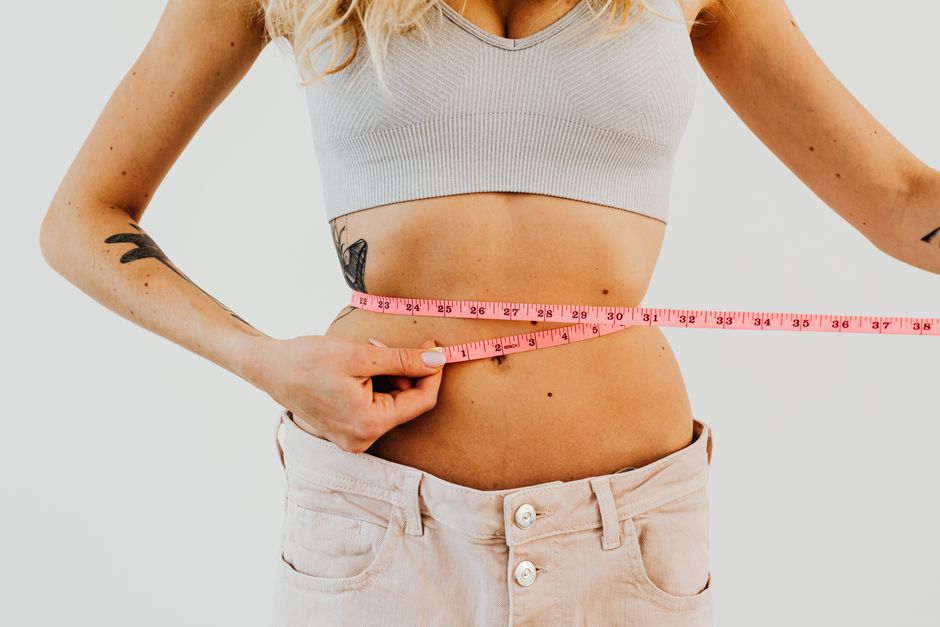
No green tea brand melts fat, and no variety is a shortcut to weight loss. The best green tea for weight loss is plain, unsweetened green tea — brewed from loose leaves or a simple tea bag — because the compounds studied for metabolism are in the leaf, not in added sugars, creamers, or “fat-burning” blends. Matcha delivers more of those compounds per cup because you swallow the whole leaf, but the effect on body weight is modest at best.
What Does the Evidence Actually Say About Green Tea and Weight Loss?
Green tea contains caffeine and a group of plant compounds called catechins, the most studied of which is epigallocatechin gallate, or EGCG. Both can nudge energy use slightly upward. That is a real biological effect, but it is small.
Reviews of clinical trials have generally found that green tea or green tea extract produces modest weight loss compared with no treatment — on the order of a small fraction of a kilogram to a couple of kilograms over several weeks to months. Results vary widely between studies, and many trials are short or small. The effect is not enough to notice on its own. It is far smaller than what comes from eating fewer calories or moving more.
This is where most marketing goes wrong. A genuine but tiny effect gets dressed up as a solution. The honest framing: green tea may support a weight-loss effort in a minor way, but it does not drive one.
Which Type of Green Tea Is Best for Weight Loss?
Plain, unsweetened green tea is the best choice. The type matters far less than what you do and don’t add to it. A sugary bottled green tea can carry more calories than the tea could ever help you burn.
Here is how the main forms compare on the compounds that have been studied:
- Loose-leaf and bagged green tea: Steeped in water, you drink the liquid. You get catechins and caffeine, but not the leaf itself.
- Matcha: Stone-ground whole leaf whisked into water. You consume the entire leaf, so you take in more catechins and caffeine per cup than with steeped tea.
- Bottled and sweetened green tea: Often high in sugar. The added calories can outweigh any benefit.
- Green tea extract supplements: Concentrated doses. Some trials use these, but they carry real safety concerns (more on that below).
Matcha’s higher compound content sounds impressive. It has not been shown to produce meaningfully greater weight loss than regular green tea in head-to-head human trials. More of a small thing is still a small thing.
Does Matcha Beat Regular Green Tea for Weight Loss?
No human trials have established that matcha causes more weight loss than steeped green tea. The logic for matcha is straightforward — you swallow the ground leaf, so you get more catechins and caffeine — but biological reasoning is not the same as demonstrated benefit.
What matcha does offer is a stronger, more concentrated drink with a distinct flavor. If you enjoy it and drink it unsweetened, it is a fine choice. Just don’t pay a premium expecting it to burn fat faster than a plain tea bag. The evidence does not support that claim.
One practical note: matcha and strongly brewed green tea both contain caffeine. A cup can hold a meaningful dose depending on how much leaf you use. If you are sensitive to caffeine or drink tea late in the day, that matters more than any metabolic edge.


What About Green Tea Extracts and “Fat-Burning” Supplements?
Green tea extract supplements are where the most serious safety concerns live. Concentrated extracts can deliver catechin doses far higher than drinking tea, and high-dose green tea extract has been linked to liver injury in some people. This is a documented concern, not a rare rumor.
Regulators and liver specialists have flagged cases of liver damage associated with green tea extract products, particularly high-dose supplements taken on an empty stomach. The risk appears low overall but is real, and it is not something you can feel coming. Symptoms like fatigue, nausea, or dark urine can signal liver trouble and warrant medical attention.
No supplement is worth risking your liver for a weight-loss effect this small. If you want green tea’s compounds, drinking the tea is the safer route. Anyone with liver disease, or who takes medications processed by the liver, should talk to a clinician before using any green tea extract.
How Should You Drink Green Tea to Support Weight Loss?
Drink it plain and unsweetened, and treat it as a replacement for sugary drinks rather than an addition to your day. That swap is likely the most reliable way green tea helps with weight — not through metabolism, but by displacing calories you would otherwise drink.
A few practical points:
- Skip the sugar and honey. A teaspoon of sugar or a squeeze of honey adds calories that cancel out any tiny metabolic benefit.
- Watch the caffeine. Green tea has less caffeine than coffee, but several cups add up. Avoid it close to bedtime if sleep suffers — poor sleep works against weight goals.
- Brew, don’t buy sweetened bottles. Bottled green teas are frequently sweetened. Read the label.
- Be cautious with extracts. Whole-leaf tea is the safer form. High-dose supplements carry liver risk.
There is no established number of cups that guarantees weight loss. Some trials have used several cups a day, but no clinical guideline sets a target for weight loss, because the effect is too small to justify one.
Why Green Tea Alone Won’t Cause Weight Loss
Body weight is governed mainly by how much you eat, how much you move, sleep, stress, medications, and genetics. Green tea touches one small lever — a slight increase in energy use and perhaps a minor effect on fat metabolism — while the rest of the system stays put.
That is why trials show small, inconsistent results. A person drinking green tea while eating the same way and moving the same amount should not expect the scale to change much. Someone who swaps a sugary soda for unsweetened green tea, eats a bit less, and walks more may see real change — but the tea is a supporting player, not the cause.
Be skeptical of any product promising rapid results from green tea. No study supports fast or dramatic weight loss from tea. Claims of “melting” fat or losing weight without changing anything else are marketing, not science.
Is Green Tea Safe for Everyone?
Drinking green tea is generally safe for most adults. The main considerations are caffeine and, for supplements, liver risk.
Caffeine in tea can affect sleep, anxiety, and heart rhythm in sensitive people. People who are pregnant or breastfeeding should follow their clinician’s guidance on caffeine limits, since caffeine crosses to the baby. Green tea also reduces iron absorption from plant foods when drunk with meals; if you are at risk of iron deficiency, drink tea between meals rather than with them.
Green tea can interact with some medications, including certain blood thinners and stimulants. If you take prescription drugs, ask a pharmacist whether green tea is fine for you. For children, there are no clinical guidelines for green tea as a weight-loss aid, and it should not be used for that purpose.
Frequently Asked Questions
Which green tea is best for weight loss?
Plain, unsweetened green tea — loose-leaf, bagged, or matcha — is the best choice because it adds no sugar or calories. The form matters less than avoiding sweetened versions.
Does matcha help you lose weight faster than regular green tea?
No human trials have shown matcha causes more weight loss than steeped green tea, even though it contains more catechins per cup. Any effect from either is small.
How many cups of green tea should I drink to lose weight?
No clinical guideline sets a cup target for weight loss, because the effect is too small to justify one. Drinking it unsweetened in place of sugary drinks is the more reliable strategy.
Are green tea weight loss supplements safe?
High-dose green tea extracts have been linked to liver injury in some people, so whole-leaf tea is the safer form. Talk to a clinician before using any green tea supplement, especially if you have liver disease.
