
Most food storage advice you see online is either obvious or wrong. The correct methods are the ones backed by food safety science: refrigeration below 40°F, freezing at 0°F, airtight containers for dry goods, and proper canning techniques that have been tested and validated. Everything else — beeswax wraps replacing refrigeration, “natural” preservatives, elaborate vacuum-sealing routines for items that don’t need them — ranges from mildly helpful to genuinely risky.
The stakes are real. The CDC estimates that roughly 48 million people in the United States get sick from foodborne illness each year, and improper storage is one of the leading contributors. Knowing which methods actually work — and which are just internet noise — matters more than most people realize.
What Temperature Actually Keeps Food Safe?
Bacteria that cause foodborne illness grow most rapidly between 40°F and 140°F. This range is called the “danger zone,” and it’s the single most important concept in food storage.
Your refrigerator should stay at or below 40°F. Your freezer should be at 0°F or lower. These aren’t arbitrary numbers — they’re thresholds established by the USDA and FDA based on decades of microbiological research. At 40°F and below, bacterial growth slows dramatically. At 0°F, it essentially stops.
Most refrigerators have a built-in thermometer dial, but those dials are often inaccurate. An inexpensive appliance thermometer placed inside the fridge gives you a real reading. If your fridge runs at 45°F, food that should last a week may spoil in three days — and you won’t know why.
The danger zone also applies to cooling. When you cook a large batch of soup or stew, dividing it into shallow containers before refrigerating helps it pass through the danger zone faster. A deep pot of hot stew can take many hours to cool in the refrigerator, and during that time, the center sits in the danger zone. The USDA recommends dividing large portions into shallow containers so they cool quickly.
Which Food Storage Methods Are Actually Correct for the Pantry?
Airtight containers are the correct method for dry goods — but the reason is often misunderstood. The primary threat to pantry staples isn’t bacteria. It’s moisture, oxygen, and pests.
Bacteria need water to grow. Dry foods like rice, flour, and pasta don’t support bacterial growth because they lack available moisture. What does degrade them is exposure to air and humidity, which causes stale flavors, texture changes, and in some cases mold.
Mold is the real concern. Molds can grow on dry goods when moisture levels rise, and some molds produce mycotoxins — toxic compounds that are not destroyed by normal cooking temperatures. This is why keeping flour, grains, and nuts in truly airtight containers matters. A rolled-up bag inside a cardboard box is not airtight.
Glass jars with rubber gaskets, hard plastic containers with locking lids, and vacuum-sealed bags all work. The container matters less than the seal. If air and moisture can get in, the container isn’t doing its job.
What about the “refrigerate after opening” label?
That label exists because the product’s preservation method changes once you break the seal. Many commercially packaged foods — nut butters, sauces, jams — are shelf-stable in their sealed form due to processing, but become vulnerable to mold and bacteria once opened. The label isn’t a suggestion. Follow it.
Does Refrigeration Make Food Last Longer or Just Taste Different?
Refrigeration slows bacterial growth. That’s its primary function. But it also changes food in ways that matter for quality and, sometimes, safety.
Cold temperatures slow enzyme activity, which is why cut fruits brown more slowly in the fridge. They also slow the ripening process, which is why bananas, tomatoes, and avocados are often better left at room temperature — cold damages their cell walls and changes their texture.
But here’s where it gets important: some foods should never be left at room temperature for extended periods, regardless of texture concerns. Cooked rice, for example, can harbor Bacillus cereus, a bacterium whose spores survive cooking. Left at room temperature, those spores can germinate and produce toxins. Cooked rice should be refrigerated within one hour of cooking.
This is a good example of how food storage advice can conflict. The general rule — “let food cool before refrigerating” — is wrong for rice and other high-risk foods. The correct approach is to refrigerate promptly and cool in shallow containers.




Is Freezing Food Safe? Does It Kill Bacteria?
Freezing does not kill bacteria. It stops them from growing. When food thaws, those bacteria become active again.
This distinction matters because people sometimes assume frozen food is sterile. It isn’t. Freezing preserves food safety by halting bacterial multiplication, not by eliminating the bacteria already present. Proper thawing — in the refrigerator, not on the counter — keeps the food out of the danger zone during the process.
Freezing does affect quality. Ice crystals that form during freezing can rupture cell walls, which is why frozen strawberries turn mushy after thawing. Commercial flash-freezing minimizes this because it forms smaller ice crystals. Home freezing is slower, so texture changes are more noticeable.
For safety, the USDA maintains a chart of recommended freezer storage times. These are quality recommendations, not safety deadlines — food kept at 0°F indefinitely remains safe to eat, but flavor and texture decline over time.
| Food | Refrigerator (40°F or below) | Freezer (0°F) |
|---|---|---|
| Fresh poultry | 1–2 days | 9 months (pieces), 1 year (whole) |
| Ground meat | 1–2 days | 3–4 months |
| Fresh fish | 1–2 days | 3–6 months |
| Eggs (in shell) | 3–5 weeks | Not recommended |
| Leftovers (cooked) | 3–4 days | 2–6 months |
These timeframes come from USDA FoodSafety.gov guidance. They assume proper refrigeration and are based on food safety research, not arbitrary estimates.
Are Vacuum Sealers and Beeswax Wraps Worth It?
Vacuum sealing removes air, which slows oxidation and limits the growth of aerobic bacteria and molds. For freezer storage, it genuinely extends quality by preventing freezer burn — the dry, leathery texture caused by exposure to cold air.
But vacuum sealing doesn’t replace refrigeration or freezing. It doesn’t kill bacteria. And for certain foods — fresh garlic in oil, for example — vacuum sealing can actually create conditions that favor Clostridium botulinum, the bacterium that causes botulism. Garlic in oil should always be refrigerated or frozen, regardless of how it’s sealed.
Beeswax wraps are a different story. They’re reusable, reduce plastic waste, and work reasonably well for covering bowls or wrapping cheese for short-term storage. But they are not airtight, and they do not provide the same barrier as plastic wrap or sealed containers. For foods prone to spoilage, they’re not a substitute for proper containers or refrigeration.
The evidence for beeswax wraps as a food safety tool is limited. They may help reduce plastic use, but no studies confirm they extend food shelf life in a meaningful way compared to standard methods.
What About Canning and Preservation Methods?
Canning is one of the few food storage methods where doing it wrong can be genuinely dangerous.
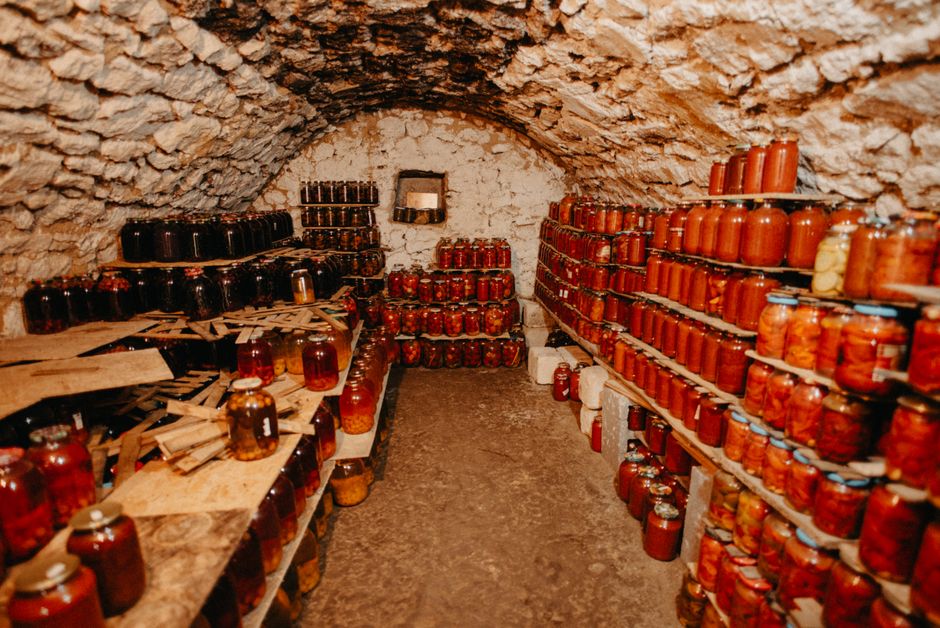
Home canning requires specific equipment and tested recipes. The two approved methods are water bath canning for high-acid foods (fruits, pickles, jams) and pressure canning for low-acid foods (vegetables, meats, soups). Using a water bath canner for low-acid foods creates a real risk of botulism, because the temperature doesn’t get high enough to destroy Clostridium botulinum spores.
This isn’t a theoretical concern. Home-canned vegetables have been linked to botulism outbreaks. The National Center for Home Food Preservation provides tested recipes and processing times. Following an old family recipe or an untested internet recipe is not safe.
Fermentation is different. Properly fermented foods — sauerkraut, kimchi, yogurt — rely on beneficial bacteria to create an acidic environment that inhibits harmful organisms. When done correctly, fermentation is a well-established preservation method. When done incorrectly, it can allow mold or harmful bacteria to grow. The key is maintaining proper salt concentrations and temperature, which tested recipes specify.
Does “Natural” Preservation Actually Work?
Some traditional preservation methods are scientifically sound. Others are marketing.
Salt, sugar, and acid are legitimate preservatives. They work by reducing water activity or creating environments where harmful bacteria can’t grow. This is why cured meats, jams, and pickled vegetables have long shelf lives.
Honey is a well-known example. Its low water content and acidic pH make it inhospitable to most bacteria. This is why honey doesn’t spoil. But honey should never be given to infants under 12 months — their immature digestive systems can’t handle Clostridium botulinum spores that adult systems can.
Essential oils, on the other hand, are often promoted as natural preservatives. The evidence here is limited. Some oils show antimicrobial activity in laboratory studies, but translating that to real food systems is complicated. No clinical guidelines recommend essential oils as a food preservation method.
Drying is another legitimate method. Removing moisture prevents bacterial growth. But dried foods still need proper storage — they can reabsorb moisture from the air, which is why airtight containers matter even for dried goods.
Frequently Asked Questions
How long can cooked food sit out before it’s unsafe?
Cooked food should not sit at room temperature for more than two hours. If the temperature is above 90°F, that window drops to one hour.
Is it safe to refreeze meat that has been thawed?
Yes, if the meat was thawed in the refrigerator. If it was thawed on the counter or in warm water, it should be cooked before refreezing.
Do I need to refrigerate butter?
Butter can be left at room temperature for a few days without spoiling, but refrigeration extends its shelf life significantly. For long-term storage, keep it refrigerated or frozen.
Can I store potatoes and onions together?
No. Onions release gases that cause potatoes to sprout faster, and both should be stored separately in cool, dark, dry places.
