
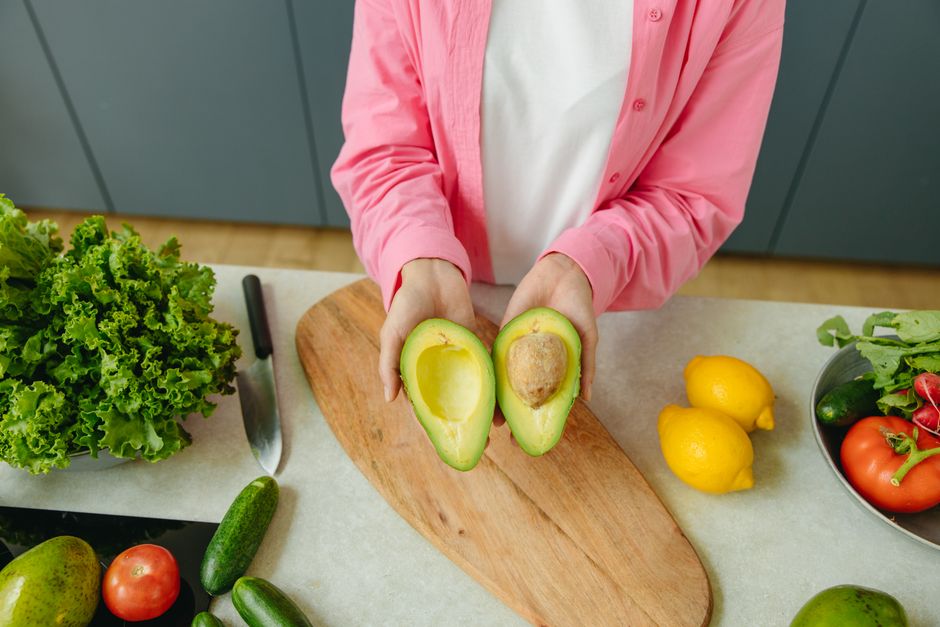
Protein is found in the widest variety and highest amounts in animal foods — chicken breast, lean beef, fish, eggs, and dairy — followed closely by legumes, tofu, and certain nuts and seeds. Per gram of food, cooked chicken breast and firm tofu deliver some of the most protein, while lentils and beans provide less per bite but bring fiber and other nutrients. The best choice depends on how much protein you need, what else you want on your plate, and what you actually enjoy eating.
Which Food Contains High Protein? Comparison of Common Sources
Animal foods generally pack more protein per serving than plant foods. That is a matter of composition, not opinion. A 3-ounce portion of cooked chicken breast delivers roughly 26 grams of protein. The same amount of cooked salmon provides about 22 grams. Three ounces of firm tofu gives you around 8 grams, while a half-cup of cooked lentils provides about 9 grams.
Here is a comparison of protein content across common foods, using standard serving sizes and USDA nutritional data:
| Food | Serving Size | Protein (grams) |
|---|---|---|
| Chicken breast, cooked | 3 oz | ~26 |
| Turkey breast, cooked | 3 oz | ~24 |
| Salmon, cooked | 3 oz | ~22 |
| Lean beef, cooked | 3 oz | ~22 |
| Tuna, canned in water | 3 oz | ~20 |
| Greek yogurt, plain | 1 cup | ~20 |
| Cottage cheese | 1 cup | ~24 |
| Eggs | 2 large | ~12 |
| Lentils, cooked | ½ cup | ~9 |
| Black beans, cooked | ½ cup | ~8 |
| Firm tofu | 3 oz | ~8 |
| Edamame, shelled | ½ cup | ~9 |
| Almonds | 1 oz (about 23 nuts) | ~6 |
| Peanut butter | 2 tbsp | ~7 |
The numbers tell one part of the story. What the table cannot show is how well your body uses that protein, which varies by food. It also cannot show what else comes with each choice — saturated fat, fiber, sodium, or micronutrients like iron and B12.
How Does Protein Quality Differ Between Animal and Plant Foods?
Protein quality is about more than grams. It reflects how complete the protein is and how easily your body digests and absorbs it. Animal proteins generally score higher on both counts.
Proteins are built from amino acids. Nine of these are essential, meaning your body cannot make them and must get them from food. Animal foods — meat, poultry, fish, eggs, dairy — contain all nine in proportions your body uses efficiently. Most single plant foods fall short on at least one. Grains tend to be low in lysine. Beans tend to be low in methionine.
That does not make plant protein inferior in a practical sense. Eating a variety of plant foods across the day covers all the essential amino acids. The old idea that you had to carefully combine rice and beans at every meal has been softened by newer understanding. Your body maintains a pool of amino acids, so foods eaten at different times can complement each other.
Digestibility is the other factor. Animal proteins are generally absorbed more completely than plant proteins, partly because plant cell walls and fiber can trap some protein. Soy is an exception among plants — it is a complete protein and is well digested.
Which High-Protein Foods Are Best for Muscle and Satiety?
For building and maintaining muscle, total daily protein intake matters most. Distribution across meals and the quality of the protein both play supporting roles. Research consistently shows that resistance exercise combined with adequate protein supports muscle growth and preservation.
Foods that deliver a large dose of high-quality protein in a small serving make hitting your target easier. Chicken breast, lean beef, fish, eggs, Greek yogurt, and cottage cheese all fit that description. Whey protein — a dairy derivative — is digested quickly and is often used around workouts, though whole foods work just as well for most people.
Satiety is a separate benefit. Protein tends to make you feel fuller than the same number of calories from fat or carbohydrate. Some studies suggest protein at breakfast reduces later snacking. The effect varies between people, and the evidence is not uniform across all foods or all studies.
One clarification worth making: you do not need a protein supplement to meet your needs. Most people eating a mixed diet already get enough. Supplements are convenient, not necessary.
Are Plant Proteins Enough on Their Own?
Plant-based diets can meet protein needs at every stage of life when they are planned with care. The evidence supports this position. The practical challenge is volume — plant foods generally contain less protein per serving, so you eat more of them to reach the same total.
High-protein plant foods worth building meals around include:
- Lentils and beans — about 8 to 9 grams per half-cup, plus fiber and iron
- Tofu and tempeh — complete proteins, versatile in cooking
- Edamame — whole soybeans, high in protein and fiber
- Seitan — wheat-based, very high in protein but not suitable for anyone with celiac disease or gluten sensitivity
- Nuts and seeds — moderate protein, but calorie-dense
- Quinoa and buckwheat — grains with more complete amino acid profiles than most
People following strictly plant-based diets may need to pay attention to nutrients that animal foods normally supply — vitamin B12, iron, zinc, and omega-3 fatty acids. B12 is not found naturally in plant foods and requires fortified foods or supplementation. That is established guidance, not a gray area.
How Much Protein Do You Actually Need?
The general adult recommendation is about 0.8 grams of protein per kilogram of body weight per day. For a 150-pound person, that works out to roughly 54 grams daily. This is the amount needed to prevent deficiency in mostly sedentary adults, not necessarily the amount for optimal health.
People who exercise regularly, are recovering from illness, or are older may benefit from more. Some research suggests higher intakes help preserve muscle in older adults, whose ability to use protein for muscle building declines with age. The exact optimal amount is still debated, and recommendations vary between organizations.
Pregnant and breastfeeding women have higher protein needs, but the specific amounts should come from a healthcare provider rather than general estimates. The same applies to people with kidney disease, where protein intake may need to be adjusted. No single number fits everyone.
For most healthy adults, spreading protein across meals — rather than eating most of it at dinner — appears to support muscle maintenance better than concentrating it in one sitting. The research on exact distribution is still developing.
What Should You Consider Beyond Protein Content?
Protein content alone is a poor way to choose food. What comes packaged with the protein matters just as much.
Fatty fish like salmon delivers protein alongside omega-3 fatty acids, which support heart and brain health. Lean poultry offers protein with little saturated fat. Red meat provides protein and highly absorbable iron, but frequent intake of processed meats is linked to higher risk of certain cancers — a conclusion supported by substantial evidence. Beans and lentils bring protein with fiber, which most Americans do not get enough of.
Processing is another factor. A chicken nugget and a chicken breast are not nutritionally equivalent. Deli meats and sausages are higher in sodium and often contain preservatives. Canned beans are nutritious but can be high in sodium unless rinsed.
The most useful approach is variety. Rotating between animal and plant proteins gives you a broader range of nutrients and limits overreliance on any single food. There is no single “best” protein food — only the best fit for your needs, preferences, and health circumstances.
Frequently Asked Questions
Which food is highest in protein per serving?
Chicken breast, turkey breast, and lean meats are among the highest, with about 22 to 26 grams per 3-ounce cooked serving. Cottage cheese and Greek yogurt are close behind per cup.
Is peanut butter a good source of protein?
Peanut butter provides about 7 grams of protein per 2 tablespoons, but it is also high in calories and fat. It works well as part of a meal, not as a primary protein source.
Can you get enough protein without eating meat?
Yes, a well-planned plant-based diet can meet protein needs through legumes, soy foods, grains, nuts, and seeds. You may need to eat larger portions and combine sources across the day.
How much protein do you need per day?
The general adult recommendation is about 0.8 grams per kilogram of body weight daily, which is roughly 54 grams for a 150-pound person. Needs are higher for athletes, older adults, and pregnant women.
