
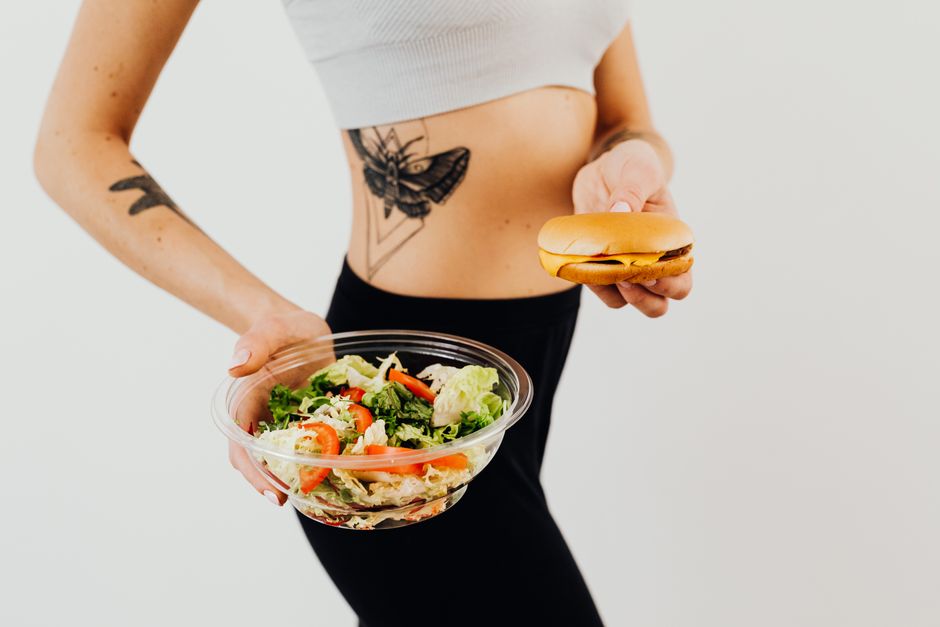
There is no single healthiest fast food restaurant, and no fast food meal is as nutritious as a home-cooked meal built around vegetables, whole grains, and lean protein. But if you are eating at a drive-thru, some choices are clearly better than others. The best options are grilled chicken sandwiches, plain hamburgers without special sauces, salads with grilled protein and dressing on the side, and baked potatoes or plain oatmeal where available. The worst are usually the ones with the most breading, cheese, bacon, creamy sauces, and oversized portions.
Which Fast Food Is The Healthiest?
No chain wins across the board. The healthiest choice depends on what you order, not where you pull up.
That said, some menu categories tend to hold up better than others. A grilled chicken sandwich typically has less saturated fat and fewer calories than a crispy chicken sandwich. A basic hamburger usually beats a double bacon cheeseburger. A side salad beats fries. These patterns hold across most major chains because they come down to cooking method and portion size, not brand.
What matters most is the total picture of a meal: calories, saturated fat, sodium, added sugar, and whether you get any fiber or vegetables at all. Fast food is generally low in fiber and high in sodium. That is true of nearly every chain.
One clarification worth making: “healthier” does not mean “healthy.” A grilled chicken sandwich from a fast food chain can still carry well over 1,000 milligrams of sodium. The bar is low. You are choosing the better option within a category that is not especially good for you.
What Should You Look For on a Fast Food Menu?
Focus on how the food is cooked and what is added to it. Those two factors drive most of the difference between menu items.
Grilled, baked, or roasted usually means less added fat than fried or crispy. A plain burger with lettuce, tomato, and onion is a different food from the same patty stacked with cheese, bacon, and mayonnaise-based sauce. Ordering water instead of a sugary drink removes a large block of added sugar and calories in one step.
- Grilled over fried. Grilled chicken has less breading, which means less added fat and fewer calories.
- Single over double. A single patty has roughly half the calories and saturated fat of a double.
- Skip the creamy sauces. Mayo, ranch, and special sauces add fat and calories quickly.
- Watch the drinks. A large sugary soda can add hundreds of calories with no nutritional value.
- Add vegetables where you can. Lettuce, tomato, and onion add fiber and volume for very few calories.
These are general patterns, not rules. Nutrition information varies by chain and by item, and it changes when recipes change. If you want exact numbers, most chains publish nutrition data for each menu item.
Are Fast Food Salads Actually Healthy?
A salad can be one of the better choices on the menu, or it can be one of the worst. The difference is almost always the dressing and the toppings.
A salad with grilled chicken, mixed greens, and vegetables is a reasonable meal. Add crispy chicken, cheese, bacon bits, croutons, and a creamy dressing, and you can easily end up with more calories and saturated fat than a burger. Fried toppings and creamy dressings are where salads go wrong.
Ordering dressing on the side helps because you control how much goes on. Many people use far less than the packet or cup provides when they pour it themselves. Choosing a vinaigrette over a ranch or blue cheese also cuts fat and calories, though vinaigrettes can still be high in sodium and added sugar.
One thing to keep in mind: salad greens do provide fiber, vitamins, and minerals that a burger bun does not. That is a real nutritional difference. But it only holds if the salad is not buried under fried and creamy additions.
How Do Fast Food Burgers Compare?
A plain single hamburger is usually a moderate choice. A double or triple burger with cheese and bacon is one of the highest-calorie items on most menus.
The jump from single to double is where calories and saturated fat climb fastest. Cheese, bacon, and mayonnaise-based sauces add more on top of that. A basic hamburger with lettuce, tomato, and onion, no cheese or creamy sauce, is a different meal from the same patty loaded up.
Saturated fat is the main concern with burgers. The American Heart Association recommends limiting saturated fat, and a large double cheeseburger can supply a substantial share of a day’s limit in one item. Sodium is also high in most fast food burgers. The exact amounts vary widely by chain and item.
If you want a burger, a single patty without cheese or creamy sauce is the better version. Adding a side salad instead of fries improves the meal further.
What About Fast Food Breakfast?
Breakfast menus are often the weakest area for fast food nutrition. Many items combine processed meat, cheese, eggs, and a refined-flour bun or biscuit.
Egg sandwiches and breakfast burritos often stack sausage or bacon with cheese on a white-flour base. That combination tends to be high in saturated fat and sodium and low in fiber. Biscuits and croissants add more fat and calories than a plain English muffin or a plain bun.
Some chains offer oatmeal, yogurt parfaits, or egg-white options. These can be lower in saturated fat, though oatmeal from a fast food chain often comes with added sugar. Check the nutrition information if that matters to you. A plain egg sandwich on an English muffin without processed meat or cheese is generally a lighter choice than a sausage biscuit.
Coffee is fine on its own. The calories and sugar come from flavored syrups, whipped cream, and whole milk or cream added in large amounts. A plain coffee or an unsweetened americano is very low in calories.
Is There a Way to Make Any Fast Food Order Healthier?
Yes. Most of the improvement comes from small changes to how you order, not from finding a magic menu item.
Ask for no cheese or no creamy sauce. Ask for the grilled version instead of the crispy version. Choose a smaller size. Order water instead of soda. Add a side salad instead of fries. These changes each remove some calories, fat, or sugar, and together they add up.
Portion size is one of the biggest levers. A regular or small order of most items is meaningfully lower in calories than the large. The food is the same; the amount is different.
It also helps to think about frequency. Fast food eaten occasionally is a different situation from fast food eaten daily. The overall pattern of your diet matters more than any single meal. If most of your meals are built around vegetables, whole grains, and lean protein, an occasional fast food meal fits without much concern. If fast food is most of what you eat, the cumulative sodium, saturated fat, and low fiber intake become the real issue.
What Are the Limits of “Healthy” Fast Food?
Even the best fast food choices tend to be high in sodium and low in fiber, and many are low in vegetables. That is a structural feature of the category, not a flaw in one chain.
Fast food is designed to be consistent, fast, and shelf-stable, and that shapes the ingredients. Sodium is high because it preserves food and adds flavor. Fiber is low because refined grains and processed meats dominate. Vegetables appear mostly as garnishes.
This does not mean you can never eat it. It means the healthiest fast food is still a compromise. It can fit into a balanced diet. It is not a substitute for meals built around whole foods.
If you are managing a condition like high blood pressure, high cholesterol, or diabetes, the sodium, saturated fat, and carbohydrate content of fast food matters more, and it is worth talking with your doctor or a registered dietitian about how it fits into your plan. General menu advice does not account for individual medical needs.
Frequently Asked Questions
Which fast food is the healthiest overall?
No single chain is healthiest across the whole menu. The better choices at most chains are grilled chicken, plain single burgers, and salads with grilled protein and dressing on the side.
Are fast food salads healthier than burgers?
Only if the salad is not loaded with fried toppings and creamy dressing. A salad with crispy chicken, cheese, bacon, and ranch can have more calories and saturated fat than a plain burger.
What is the healthiest thing to order at a fast food restaurant?
A grilled chicken sandwich or salad with dressing on the side, plus water instead of soda, is usually among the better options. A plain single hamburger without cheese or creamy sauce is also a moderate choice.
Is grilled chicken always healthier than fried chicken at fast food places?
Grilled chicken usually has less breading, fat, and calories than fried chicken. It can still be high in sodium, so it is a better choice within the category rather than a low-sodium food.
