
No exercise directly increases sperm count. That is the honest starting point. What regular physical activity can do is support the hormone and metabolic environment your body needs to make sperm — and a growing body of research links moderate, consistent exercise to better semen quality. The strongest evidence points to moderate aerobic activity and resistance training, while extreme endurance exercise and heavy, prolonged cycling can work against you. Below is what the science actually shows, what it does not, and how to think about movement if you are trying to conceive.
Does Exercise Actually Increase Sperm Count?
Exercise does not act on the testes directly to raise sperm production. Its influence is indirect, working through weight, insulin sensitivity, hormone balance, and body temperature.
Sperm production happens in the testes under the control of hormones from the brain — mainly follicle-stimulating hormone and luteinizing hormone — and testosterone from the Leydig cells. Anything that disrupts that hormonal chain, or heats the testes, can lower sperm output. Exercise can help or hurt that system depending on type, intensity, and duration.
The evidence is strongest for men who are overweight or obese. Excess body fat is associated with lower testosterone, higher estrogen, and poorer semen parameters. Regular moderate exercise that reduces fat mass tends to improve this picture. Some studies suggest that men who exercise regularly have higher sperm concentration and better motility than sedentary men, though results vary across studies and the effect is modest rather than dramatic.
An important clarification: many “sperm count boosters” sold online claim to raise count by large margins. No supplement or exercise routine has been shown in controlled trials to reliably do that in men with normal fertility. Exercise supports the conditions for healthy sperm production. It does not override genetics, age, or medical problems.
Which Exercises Increase Sperm Count Most?
Moderate aerobic exercise and regular resistance training are the two categories with the most consistent supporting evidence. The key word is moderate.
Aerobic activity — brisk walking, jogging, swimming, cycling at a comfortable pace — improves cardiovascular health, helps regulate weight, and supports insulin sensitivity. Insulin resistance is linked to poorer semen quality, so improving it is a plausible route to benefit. Several observational studies have found better sperm motility and morphology in men who are physically active compared with sedentary men.
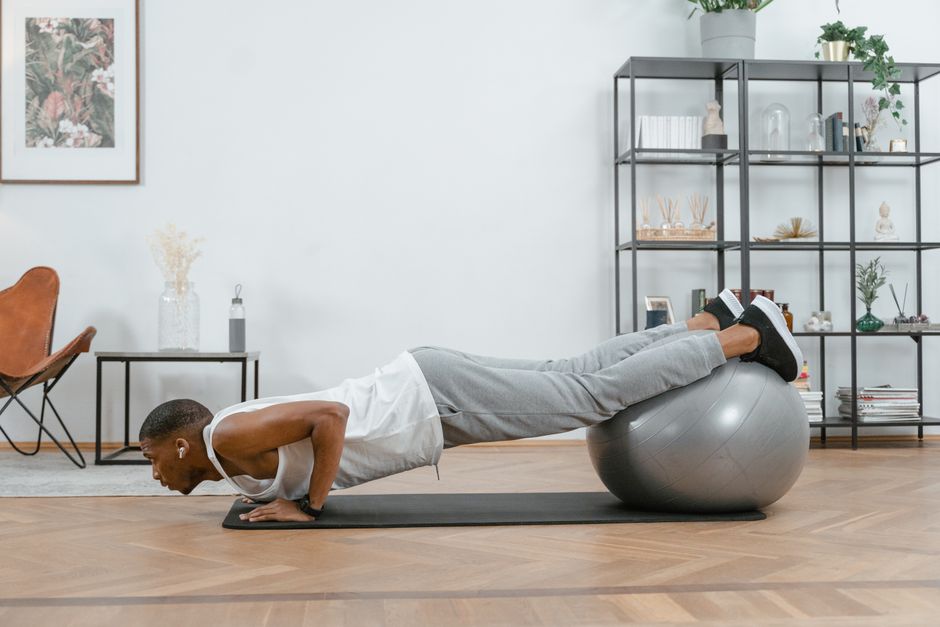
Resistance training — weights, bodyweight exercises, resistance bands — builds muscle and can raise resting testosterone modestly in the short term. Whether that translates into higher sperm counts is less clear. The evidence here is limited, but resistance training is a reasonable part of a general activity plan and carries no known harm to fertility when done at a normal intensity.
What matters more than the specific exercise is consistency and avoiding extremes. A man who walks 30 minutes most days and lifts weights twice a week is doing more for his fertility than one who trains for triathlons or sits all day.
- Moderate aerobic exercise — brisk walking, jogging, swimming, easy cycling. Most consistent evidence for better semen quality.
- Resistance training — weights and bodyweight work at moderate intensity. Supports hormones and body composition.
- General daily movement — reducing long sedentary periods. Some evidence links prolonged sitting to poorer semen parameters.
Why Can Too Much Exercise Lower Sperm Count?
Extreme endurance training can suppress the reproductive hormone axis. This is well established in athletes, though the threshold varies by individual.
Long, intense training sessions raise cortisol and can lower gonadotropin-releasing hormone signaling from the brain, which in turn reduces luteinizing hormone and testosterone. In severe cases this produces a low-testosterone state similar to what happens with chronic energy deficiency. The result can be lower sperm production.
This does not mean exercise is dangerous. It means the dose matters. Men training for marathons, ultramarathons, or professional sports, especially when combined with low body fat or inadequate calorie intake, are the group at risk. For the average reader exercising for health, this is unlikely to be relevant.
Signs that training may be excessive include persistent fatigue, poor sleep, declining performance, and loss of morning erections. If these appear alongside fertility concerns, it is worth discussing with a doctor.
Does Cycling Hurt Sperm Count?
Prolonged, intense cycling has been associated with poorer semen quality in some studies, but the picture is mixed and the effect is not universal.
Two mechanisms are proposed: heat from the scrotal area during long rides, and pressure or friction on the perineum. The testes sit outside the body because sperm production requires a temperature slightly below core body temperature. Sustained heat exposure can impair sperm production. Whether typical recreational cycling raises scrotal temperature enough to matter is debated.
Some studies of competitive cyclists have found lower sperm counts and higher rates of abnormal morphology. Other studies have found no difference. The evidence is mixed. For most men, moderate recreational cycling is unlikely to be a major factor. If you cycle long distances regularly and are trying to conceive, padded shorts, standing periodically, and reducing weekly volume are reasonable practical steps — though no trial has proven these measures protect fertility.
What Else Affects Sperm Count More Than Exercise?
Exercise is one lever among many, and several other factors carry stronger evidence. A man focused only on workouts may be missing the bigger picture.
Heat exposure is well established as a suppressor of sperm production. Hot tubs, saunas, and prolonged laptop use on the lap have all been studied, with the clearest data on hot tubs and saunas. Smoking is strongly linked to lower sperm count and poorer motility. Heavy alcohol use, recreational drug use, and anabolic steroid use are all well-documented causes of impaired sperm production. Steroids in particular can shut down sperm production entirely.
Weight matters. Obesity is associated with lower sperm concentration and motility, and weight loss through diet and exercise has been shown in some studies to improve semen parameters. Sleep and stress also appear to play a role, though the evidence is less robust.
Medical conditions — varicocele, hormonal disorders, infections, and genetic factors — can be the real cause of a low count. No amount of exercise fixes a varicocele. If a couple has been trying to conceive for a year without success (or six months if the woman is over 35), a fertility evaluation is the right step. Exercise is supportive, not a substitute for diagnosis.
How Should You Structure Exercise for Fertility?
Aim for moderate, consistent activity rather than extreme training. There is no official fertility-specific exercise prescription, so the general physical activity guidelines for adults are the sensible reference.
Most public health guidance recommends at least 150 minutes of moderate-intensity aerobic activity per week, plus muscle-strengthening activity on two or more days per week. This level is associated with broad health benefits and is unlikely to impair fertility. It is a reasonable target for men trying to conceive.
Practical structure:
- Walk briskly or do another moderate aerobic activity most days, building toward 150 minutes a week.
- Do resistance training two or more days a week at a moderate intensity.
- Avoid prolonged sedentary periods — stand and move regularly through the day.
- Avoid sudden jumps into extreme endurance training, especially alongside calorie restriction.
- Keep hot tubs and saunas brief and infrequent if actively trying to conceive.
Timing matters for expectations. Sperm production takes roughly 74 days from start to finish, and the full maturation cycle in the epididymis adds more time. That means any change — exercise, quitting smoking, weight loss — may take about three months before it shows up in a semen analysis. Do not expect a rapid change.
One non-obvious point: the biggest fertility gains from exercise likely come in men who are overweight or sedentary to begin with. A lean, already-active man who adds another workout is unlikely to see much change in sperm count. The benefit is concentrated where there is room to improve metabolic and hormonal health.
Frequently Asked Questions
Which exercise is best for increasing sperm count?
Moderate aerobic exercise such as brisk walking, jogging, or swimming has the most consistent evidence for supporting semen quality. Resistance training is a reasonable addition, but the evidence for it specifically raising sperm count is limited.
Can too much exercise lower sperm count?
Yes, extreme endurance training can suppress the hormones that drive sperm production, particularly when combined with low body fat or inadequate calorie intake. Moderate exercise for general health does not carry this risk.
How long does it take for exercise to affect sperm count?
Sperm production takes roughly 74 days, so changes may take about three months to appear on a semen analysis. Expect a gradual effect, not a quick one.
Does cycling reduce sperm count?
Some studies of competitive cyclists have found poorer semen quality, but the evidence is mixed. Moderate recreational cycling is unlikely to be a major factor for most men.
