
Most cells in your body can divide through mitosis, but not all of them do. Skin cells, hair follicle cells, and the cells lining your gut divide constantly. Mature nerve cells, mature red blood cells, and most heart muscle cells normally stop dividing altogether. The difference comes down to cell type, life stage, and what the body needs that cell to do.
Mitosis is the process where one cell copies its chromosomes and splits into two genetically identical daughter cells. It is how the body grows, repairs wounds, and replaces worn-out tissue. Some cells keep this ability for life. Others lose it after they mature. A few sit in a dormant state and can restart division only under specific conditions.
Knowing which cells divide and which do not explains a lot about how the body heals, why some tissues recover from injury and others do not, and why cancer can arise in certain organs more than others.
What Is Mitosis And Why Does It Matter For Which Cells Divide?
Mitosis is ordinary cell division. One parent cell duplicates its DNA, separates the copies, and pinches into two daughter cells with the same chromosome number as the original.
This is different from meiosis, which happens only in the reproductive organs and produces sperm and egg cells with half the usual chromosome number. Mitosis makes more of the same cell. Meiosis makes reproductive cells.
Whether a cell can go through mitosis depends on two things: whether it is still capable of dividing, and whether the body signals it to divide. Many cells retain the machinery for division but stay in a resting phase called G0. They are not dividing, but they have not permanently lost the ability. That distinction matters because a cell that can re-enter the cell cycle behaves very differently from one that has exited it for good.
Which Cells Go Through Mitosis And Which Dont?
The clearest way to answer this is to sort cells into three groups: those that divide routinely, those that normally do not divide, and those that can divide only in specific circumstances.
Cells that divide regularly
These cells are replaced continuously throughout life. They carry a high division rate because the tissue they form is constantly shed, worn, or used up.
- Skin cells in the base layer of the epidermis divide to replace cells shed from the surface.
- Cells lining the gastrointestinal tract turn over rapidly because they face constant mechanical and chemical wear.
- Hair follicle cells divide during the growth phase of the hair cycle.
- Bone marrow stem cells divide to produce new blood cells, including red blood cells, white blood cells, and platelets.
- Cells of the lining of the uterus divide and rebuild during the menstrual cycle.
- Lymphocytes, a type of white blood cell, can multiply quickly when the immune system responds to an infection.
Cells that normally do not divide
These cells have left the cell cycle and stay in a non-dividing state. In most cases they do not return to mitosis.
- Mature neurons in the central nervous system generally do not divide after development. This is a major reason why damage to the brain and spinal cord is so hard to repair.
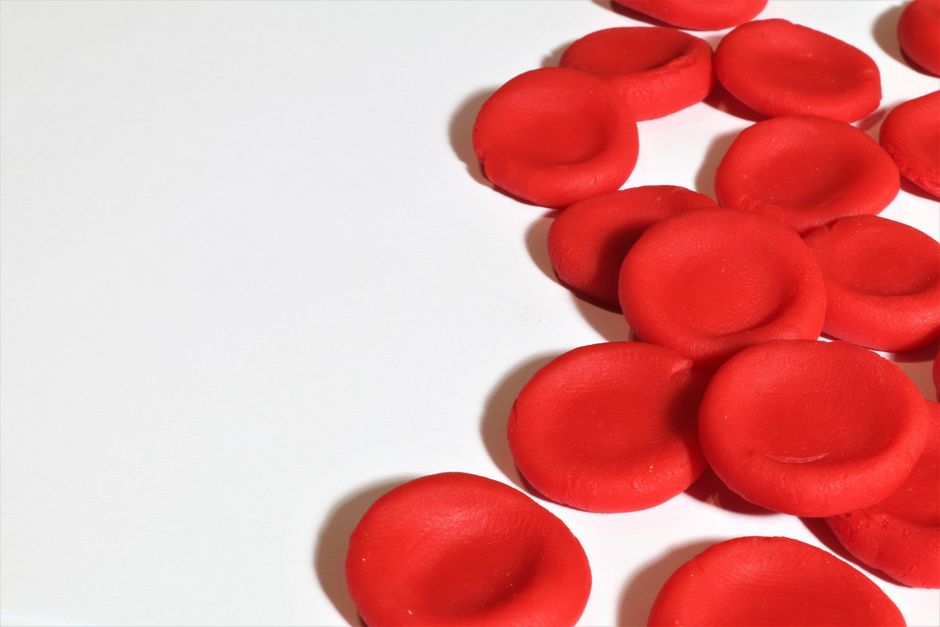
- Mature red blood cells have no nucleus and cannot divide at all. They are produced from dividing precursor cells in the bone marrow.
- Cardiac muscle cells largely stop dividing shortly after birth. The heart grows by enlarging existing cells rather than making many new ones.
- Skeletal muscle fibers are formed by the fusion of many precursor cells and do not divide themselves. Repair relies on a separate pool of satellite cells.
- Mature egg cells do not undergo mitosis. They are produced through meiosis and are held in an arrested state until ovulation.
Cells that divide only under certain conditions
Some cells sit mostly quiet but can be prompted to divide. Liver cells are the classic example. In a healthy liver they divide rarely, but after part of the liver is removed they can re-enter the cell cycle and regenerate lost tissue. Certain stem cell populations in tissues also behave this way, dividing mainly when repair is needed.
Why Do Some Cells Stop Dividing?
Cells stop dividing because they mature into a specialized role that does not require replacement by division, or because dividing would be risky. A neuron builds complex connections that would be disrupted if it split. A heart muscle cell must keep contracting in a coordinated rhythm, so the heart relies on stable cells rather than constant turnover.
There is also a built-in limit. Most normal cells can divide only a certain number of times before they enter a permanent retirement state called senescence. This limit is linked to structures at the ends of chromosomes called telomeres, which shorten slightly with each division. When telomeres get very short, the cell stops dividing. This is a normal part of aging and helps protect against uncontrolled growth.
A useful clarification: “does not divide” usually means “does not normally divide in a healthy adult.” It is not always an absolute rule. Some tissues once thought to be entirely fixed, such as parts of the brain, are now known to have small, restricted regions where new neurons can form. That does not mean the brain regenerates freely after injury. It means the picture is more nuanced than a simple yes or no.





How Does Cell Division Differ Across Tissues?
The rate of division varies enormously between tissues. Some replace themselves in days. Others never do.
| Tissue | Typical division behavior |
|---|---|
| Skin (epidermis) | Continuous, rapid replacement |
| Gut lining | Continuous, rapid replacement |
| Bone marrow | Continuous production of blood cells |
| Liver | Low under normal conditions; can increase after injury |
| Heart muscle | Largely stops after early life |
| Mature neurons | Normally do not divide |
| Mature red blood cells | Cannot divide (no nucleus) |
This variation explains why a cut on your skin heals within days while a spinal cord injury does not. The skin has a large supply of dividing cells ready to close the gap. The central nervous system does not.
How Does Mitosis Relate To Cancer?
Cancer is, at its core, cell division that has escaped normal control. A cell that should divide rarely or not at all can acquire mutations that push it back into the cell cycle and keep it dividing.
This is why cancers arise most often in tissues with high turnover, such as the skin, colon, and blood. More divisions mean more chances for errors to accumulate. But cancers also occur in tissues with low division rates, because mutations can switch on division in cells that were previously quiet.
The link between mitosis and cancer is also why many cancer treatments target dividing cells. Chemotherapy and radiation tend to hit cells that are actively dividing. That is effective against fast-growing tumors, but it also affects healthy dividing tissues like hair follicles, gut lining, and bone marrow — which is why those are often the tissues that show side effects during treatment.
Do Stem Cells Always Divide?
Stem cells are defined by two abilities: they can divide, and they can turn into more specialized cell types. But not all stem cells divide at the same rate.
Some stem cells, like those in the bone marrow and gut, divide frequently to keep tissues supplied. Others divide rarely and stay quiet until they are needed. This quiet state helps protect the stem cell pool from damage over a lifetime.
When stem cells do divide, they often do so in a way that keeps one copy of themselves while producing one cell that will mature into a working tissue cell. That balance is carefully controlled. When it goes wrong, the result can be either too little tissue repair or uncontrolled growth.
What Does This Mean For Healing And Repair?
Tissues with dividing cells recover well from injury. Tissues without them generally do not. This is the practical takeaway from everything above.
Skin, liver, and the gut lining have strong regenerative capacity because their cells can re-enter the cell cycle. The heart and central nervous system have limited capacity because their mature cells mostly do not divide. This is why research into repair for those tissues focuses on stem cells, cell transplantation, and ways to coax quiet cells back into division — areas where the science is still developing and where no proven broad clinical solution yet exists.
Understanding which cells divide is not just biology trivia. It shapes how researchers think about aging, injury, and disease, and it sets realistic expectations about what the body can and cannot rebuild on its own.
Frequently Asked Questions
Do all cells go through mitosis?
No. Many cells divide through mitosis, but mature neurons, mature red blood cells, and most heart muscle cells normally do not. Some cells can divide only under specific conditions, such as liver cells after injury.
Can nerve cells divide?
Mature neurons in the central nervous system generally do not divide. Limited regions of the brain can produce new neurons, but this does not amount to meaningful repair after most injuries.
Why do red blood cells not divide?
Mature red blood cells have no nucleus, so they lack the DNA needed to divide. They are made continuously from dividing precursor cells in the bone marrow instead.
Do heart muscle cells divide?
Cardiac muscle cells largely stop dividing shortly after birth, and the heart grows mainly by enlarging existing cells. Any new cell formation in the adult heart is very limited.
