
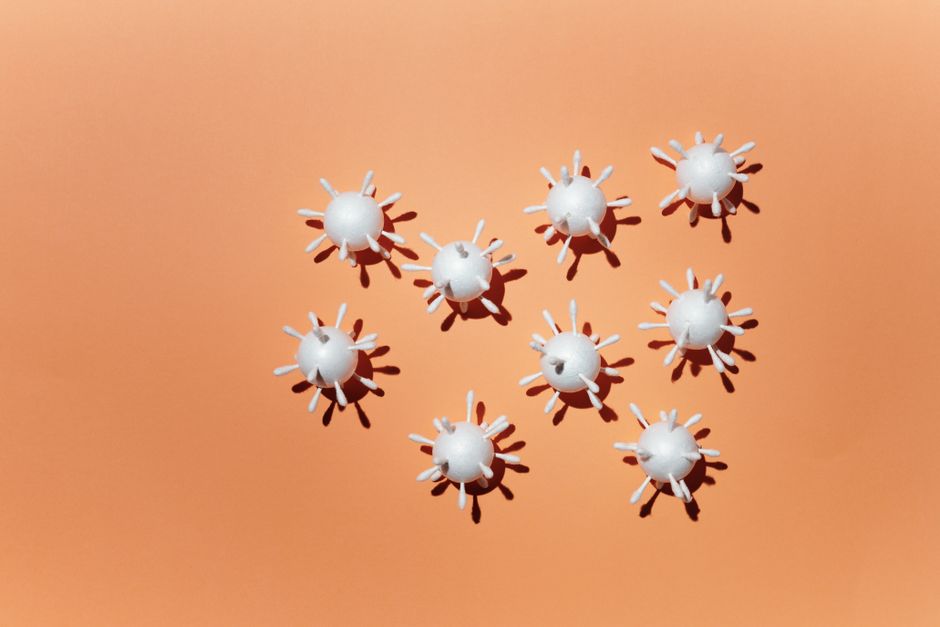
Your immune system has a dedicated set of cells whose only job is to find and destroy infections. The main infection-fighting cells are white blood cells, which include neutrophils, macrophages, dendritic cells, natural killer cells, and lymphocytes such as T cells and B cells. Each type has a distinct role — some attack directly, some coordinate the response, and some “remember” a pathogen so you respond faster next time.
White blood cells, also called leukocytes, make up roughly 1% of your blood. That small fraction runs a complex defense system. Some cells patrol for invaders, some swallow and digest them, and others produce antibodies that tag threats for destruction.
What Are White Blood Cells and How Do They Fight Infection?
White blood cells are the cells of your immune system. They circulate in blood and lymph, and they gather in tissues where infection or injury occurs. A normal white blood cell count in adults is typically 4,000 to 11,000 cells per microliter of blood.
They fight infection in two broad ways. Some act immediately and the same way every time — this is called innate immunity. Others learn to recognize a specific pathogen and respond more strongly on repeat exposure — this is called adaptive immunity.
The innate cells respond within hours. The adaptive cells take days to mount a full response the first time, but they create memory that can last years or decades. Both systems work together rather than in sequence.
Which Cells Fight Infection Types And Functions?
The infection-fighting cells fall into several groups, each with a specific job. Here is how the main ones work.
Neutrophils
Neutrophils are the most abundant white blood cell, making up about 55% to 70% of the total. They are usually the first responders to a bacterial infection. They travel quickly to the site, engulf bacteria, and destroy them with enzymes and reactive molecules.
Neutrophils are short-lived — often surviving only hours to a few days. Pus at an infected wound is largely made of dead neutrophils. A rise in neutrophil count on a blood test often points toward a bacterial infection.
Macrophages
Macrophages are large cells that live in tissues. They engulf pathogens, dead cells, and debris through a process called phagocytosis. Unlike neutrophils, they can persist for months or longer.
They also release signaling molecules called cytokines that call other immune cells to the area and help start inflammation. Some macrophages help present pieces of a pathogen to T cells, linking the immediate response to the learned one.
Dendritic Cells
Dendritic cells are the main bridge between innate and adaptive immunity. They capture pathogens in tissues, break them into fragments, and carry those fragments to lymph nodes. There they present the fragments to T cells, effectively teaching the adaptive immune system what to target.
Without this step, the specific T cell and B cell response would be much slower and less effective. Dendritic cells are sometimes called the sentinels of the immune system for this reason.
Natural Killer Cells
Natural killer (NK) cells are lymphocytes that destroy infected cells and certain abnormal cells. They do not need prior exposure to a specific pathogen to act — they are part of innate immunity.
NK cells are especially important against viruses, because viruses hide inside your own cells where antibodies cannot easily reach them. The NK cell recognizes that an infected cell looks abnormal and triggers its death, which limits how far the virus can spread.
T Cells
T cells are central to adaptive immunity. Helper T cells coordinate the response by releasing signals that activate other immune cells, including B cells and macrophages. Cytotoxic T cells directly kill cells that are infected with viruses or bacteria.
After an infection clears, some T cells remain as memory T cells. These allow a faster, stronger response if the same pathogen returns.
B Cells
B cells produce antibodies. Each B cell makes antibodies that recognize one specific target. When activated, B cells multiply and release large amounts of antibodies into the blood and lymph.
Antibodies do not usually kill pathogens directly. They bind to them, which can neutralize the pathogen or mark it for destruction by other immune cells. Memory B cells provide long-lasting protection against reinfection.
How Do Innate and Adaptive Immunity Compare?
The two arms of the immune system differ in speed, specificity, and memory. Both are needed for full protection.
| Feature | Innate Immunity | Adaptive Immunity |
|---|---|---|
| Main cells | Neutrophils, macrophages, dendritic cells, NK cells | T cells, B cells |
| Speed | Minutes to hours | Days on first exposure |
| Specificity | Broad, pattern-based | Highly specific to one pathogen |
| Memory | None | Yes — memory T and B cells |
The innate response buys time. While neutrophils and macrophages fight the early infection, dendritic cells are already carrying information to lymph nodes to start the slower, more targeted adaptive response.
Which Cells Fight Viral Versus Bacterial Infections?
All the main white blood cells respond to both, but the balance shifts depending on what is causing the infection. This is a general pattern, not a strict rule.
Bacterial infections often draw a strong neutrophil response first. Neutrophils are well suited to engulfing bacteria in tissue. Macrophages and the complement system also play major roles, and B cell antibodies help clear bacteria from blood and tissues.
Viral infections rely more heavily on cytotoxic T cells and NK cells, because viruses replicate inside your own cells. Antibodies can block a virus from entering cells in the first place, which is why antibody-based immunity matters so much for viral diseases.
Some pathogens, like certain bacteria that hide inside cells, need a combined response. The immune system does not sort neatly into viral and bacterial categories, and clinicians use tests rather than immune patterns alone to identify the cause.
What Does a White Blood Cell Count Tell You?
A complete blood count (CBC) measures the number of white blood cells and the proportion of each type. It can support a diagnosis but does not confirm one on its own.
A high total white count often suggests infection, inflammation, or stress on the body. A low count can occur with some viral infections, certain medications, or bone marrow problems. The pattern of which cell types are elevated or low gives more information than the total alone.
- High neutrophils: often seen with bacterial infections or inflammation
- High lymphocytes: often seen with viral infections
- High eosinophils: can occur with allergies or parasitic infections
- Low total white count: can occur with some viral illnesses, certain drugs, or bone marrow conditions
These patterns overlap a lot in practice. A high neutrophil count does not prove a bacterial infection, and a high lymphocyte count does not prove a viral one. Doctors interpret the count alongside symptoms, history, and other tests.
How Do These Cells Remember Past Infections?
Memory is the defining feature of adaptive immunity. After an infection resolves, a small number of T cells and B cells remain as memory cells. They can persist for years, and in some cases for life.
If the same pathogen returns, memory cells respond faster and in greater numbers than the first time. This is why some infections, like chickenpox, rarely cause illness twice. It is also the principle behind vaccines, which expose the immune system to a harmless version or component of a pathogen so memory forms without the illness.
Memory is not perfect. Some pathogens mutate quickly and evade old memory, which is why you can catch some viruses more than once. The immune system also weakens with age, a process called immunosenescence, which contributes to higher infection risk in older adults.
What Weakens Infection-Fighting Cells?
Several factors can reduce how well white blood cells work. Age is one — immune function generally declines with age, and the decline varies widely between people.
Chronic stress, poor sleep, and malnutrition can affect immune function. Some medications, such as corticosteroids and certain drugs used after organ transplant or for autoimmune disease, intentionally suppress immune cells. Medical conditions including diabetes, HIV, and some blood disorders can also impair the response.
Smoking and heavy alcohol use are associated with impaired immune function. The evidence on how much any single lifestyle factor changes infection risk in a given person is limited, and effects vary. The general direction of the evidence is consistent, but precise individual risk estimates are not well established.
No supplement or product has been shown in large human trials to reliably strengthen infection-fighting cells in healthy people. Claims that a product “boosts immunity” are not supported by strong clinical evidence.
Frequently Asked Questions
Which white blood cell fights infection the fastest?
Neutrophils are usually the first to arrive at an infection site, often within hours. They are the most abundant white blood cell and respond quickly to bacterial threats.
What are the main types of infection-fighting cells?
The main types are neutrophils, macrophages, dendritic cells, natural killer cells, T cells, and B cells. All are white blood cells, and each has a distinct role in the immune response.
Do T cells or B cells fight viruses?
Both do, in different ways. Cytotoxic T cells kill virus-infected cells, while B cells produce antibodies that can block the virus from entering cells.
Can a blood test show which cells are fighting an infection?
A complete blood count shows the number and proportions of white blood cell types, which can suggest a pattern. It cannot confirm the specific cause of an infection on its own.
