
If you are looking for the bean with the highest protein, the answer is soybeans. Cooked soybeans provide roughly 28–31 grams of protein per cup, which is significantly more than any other common bean. Lentils and white beans follow at around 18 grams per cup, while black beans and pinto beans provide about 15 grams per cup. These numbers are for cooked beans, not dried, and they matter because most people eat beans after they have been boiled or canned.
Which Bean Has High Protein Per Cup?
Soybeans are the clear winner for protein content. A single cup of cooked soybeans delivers about 28–31 grams of protein. That is roughly the same amount of protein found in a 4-ounce chicken breast.
Other beans do not come close. Here is how common beans compare after cooking:
- Soybeans: 28–31 grams per cup
- Lentils: 18 grams per cup
- White beans (cannellini or great northern): 17–18 grams per cup
- Kidney beans: 15 grams per cup
- Black beans: 15 grams per cup
- Pinto beans: 15 grams per cup
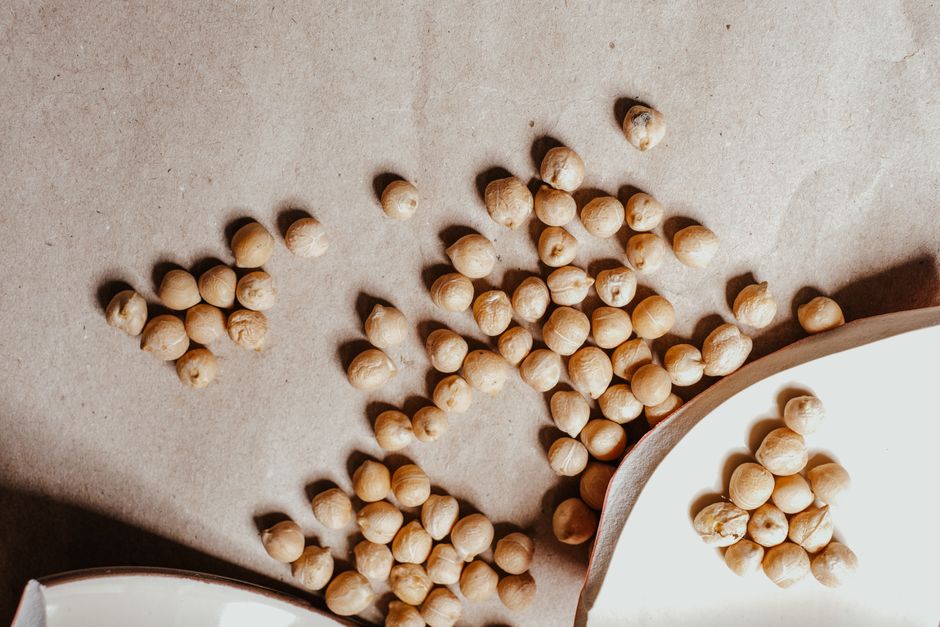
- Chickpeas (garbanzo beans): 14–15 grams per cup
These figures come from standard USDA food composition data. They reflect boiled beans without added salt or fat. Canned beans may have slightly different values depending on the brand and how much liquid is retained.
Why Soybeans Have More Protein Than Other Beans
The difference comes down to the seed itself. Soybeans are an oilseed, not just a legume. They store energy as both protein and fat, whereas most other beans store energy mostly as starch.
That structural difference matters. Because soybeans have less starch and more protein and oil, their protein density is naturally higher. This is also why soybeans are processed into tofu, tempeh, and edamame — all of which are protein-dense foods.
No other common bean has this same composition. Lentils and chickpeas are legumes, but they are starchier and lower in fat. Their protein content is respectable, but it cannot match soy.
Protein Quality: Not All Bean Protein Is Equal
Protein quantity is only part of the story. Protein quality matters too.
Beans are plant foods, and plant proteins are generally incomplete. That means they do not contain all nine essential amino acids in the amounts your body needs. Most beans are low in one specific amino acid called methionine.
Soybeans are the exception. Soy protein is a complete protein, meaning it contains all essential amino acids in adequate amounts. This makes soy protein comparable to animal protein in quality.
Other beans need to be paired with grains to form a complete protein profile. Rice and beans is the classic example. The rice provides the methionine that beans lack, and the beans provide the lysine that rice lacks. Together they form a complete protein.
This does not mean non-soy beans are poor protein sources. It means you need to eat a variety of plant foods throughout the day to get all essential amino acids. Your body does not require every meal to be complete on its own.



How Much Protein Do You Actually Need From Beans?
The average adult needs about 0.8 grams of protein per kilogram of body weight per day. For a 150-pound person, that is roughly 54 grams of protein daily. Active people and older adults often need more.
Using that baseline, one cup of cooked soybeans would cover more than half of a typical day’s protein needs. One cup of black beans would cover about a quarter to a third.
But protein is not the only reason to eat beans. Beans are also rich in fiber, folate, potassium, and iron. A cup of cooked beans provides 12–15 grams of fiber, which is about half the daily recommended intake for most adults.
That fiber matters for digestion, blood sugar control, and heart health. Beans have a low glycemic index, meaning they do not spike blood sugar the way white rice or white bread does.
Are Soybeans Safe to Eat Daily?
Soybeans are safe for most people when eaten as food. The FDA has recognized soy protein as beneficial for heart health, and large population studies have not found harm from eating soy foods.
There is a common myth that soy disrupts hormones because it contains phytoestrogens. The evidence does not support this concern at normal dietary levels. Studies have not shown that eating tofu, edamame, or soybeans causes hormonal problems in men or women.
One caveat: soy allergy is real and can be severe. If you have a diagnosed soy allergy, you must avoid soybeans and all soy products. This is rare, affecting roughly 0.4% of children and fewer adults.
Another caveat involves soy supplements and concentrated isoflavone extracts. These are not the same as eating soybeans. The research on concentrated extracts is less clear, and they are not recommended for routine use.
Best Non-Soy Beans for Protein
If you cannot eat soy or simply prefer other beans, lentils and white beans are your best options.
Lentils cook faster than most beans — about 20–30 minutes compared to 1–2 hours. They also do not require soaking. A cup of cooked lentils provides 18 grams of protein and 15 grams of fiber. They are a staple in many plant-based diets for good reason.
White beans, including cannellini and great northern varieties, provide 17–18 grams of protein per cooked cup. They have a creamy texture and work well in soups and stews. They also contain more calcium than most other beans.
Black beans and kidney beans are slightly lower at 15 grams per cup, but they are still excellent protein sources. They are also higher in antioxidants than white beans, particularly black beans.
Chickpeas, also called garbanzo beans, provide about 14–15 grams per cup. They are the base of hummus and are popular in salads and roasted snacks. Their protein is slightly lower, but they are a good source of iron and folate.
How to Eat More Beans Without Getting Bored
Beans are inexpensive and versatile, but many people struggle to eat them regularly. Here are practical ways to include them:
- Add black beans to tacos, burritos, or scrambled eggs
- Use chickpeas in salads or blend them into hummus
- Make lentil soup or dal for a quick weeknight meal
- Add white beans to pasta sauce or blend them into a creamy dip
- Snack on roasted chickpeas or edamame instead of chips
- Use mashed beans as a base for veggie burgers
Canned beans are just as nutritious as dried beans. The main difference is sodium. Rinsing canned beans under running water for 30 seconds removes about 40% of the added salt. If you are watching your blood pressure, choose low-sodium or no-salt-added versions.
Dried beans are cheaper and let you control the salt, but they require planning. Most beans need to soak overnight, then cook for 1–2 hours. Lentils and split peas are the exception — they cook quickly without soaking.
Common Myths About Bean Protein
One myth is that plant protein is inferior and cannot build muscle. Research does not support this. Studies have found that plant protein can support muscle growth when total protein intake is adequate. The key is eating enough total protein, not just relying on one source.
Another myth is that beans cause dangerous gas and should be avoided. Beans contain oligosaccharides, complex sugars that humans cannot digest. Bacteria in the colon ferment these sugars, producing gas. This is uncomfortable but not harmful. Soaking beans overnight and discarding the water reduces these sugars. Gradually increasing your bean intake also helps your digestive system adapt.
A third myth is that soybeans are heavily processed and unhealthy. Whole soybeans, edamame, tofu, and tempeh are minimally processed foods. The heavily processed soy products — like soy protein isolates in some protein bars and shakes — are different. Whole soy foods are the better choice.
Which Bean Should You Choose?
For pure protein content, soybeans are the answer. No other common bean comes close.
But the best bean for you depends on your goals and preferences. If you want maximum protein per serving, choose soybeans, tofu, tempeh, or edamame. If you want a quick-cooking option, choose lentils. If you want versatility and familiar flavors, choose black beans, chickpeas, or pinto beans.
Eating a variety of beans is the best approach. Each bean has a slightly different nutrient profile. Rotating them gives you a broader range of vitamins, minerals, and antioxidants.
Beans are one of the most affordable protein sources available. A pound of dried beans costs about $1–2 and yields roughly 6–7 cups of cooked beans. That is a significant amount of protein and fiber for very little money.
Frequently Asked Questions
Which bean has the most protein per 100 grams?
Soybeans have the most protein, with about 36 grams per 100 grams of dried weight. After cooking, that drops to about 16–17 grams per 100 grams because beans absorb water.
Is soy protein better than other bean protein?
Soy protein is a complete protein, meaning it contains all essential amino acids. Other beans are incomplete proteins, but you can combine them with grains to get all amino acids.
How much protein is in a cup of black beans?
A cup of cooked black beans provides about 15 grams of protein. This is less than soybeans but still a solid amount for a plant food.
Can you get enough protein from beans alone?
Yes, if you eat enough total calories and a variety of beans throughout the day. Most adults need roughly 50–60 grams of protein daily, which is achievable with beans, grains, and other plant foods.
