
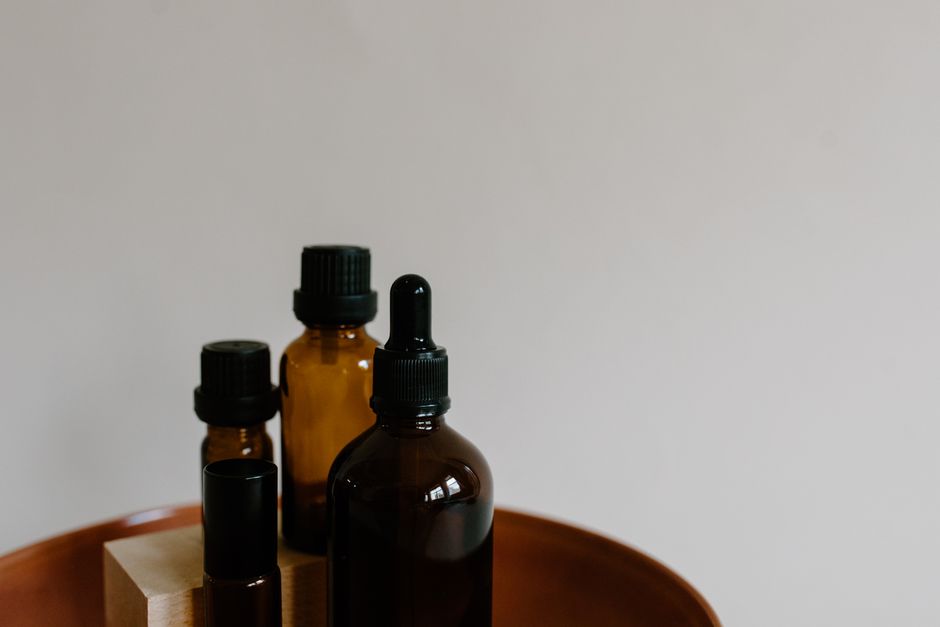
Spraying magnesium oil on your skin is a popular way to absorb this essential mineral, and many people use it to help manage anxiety symptoms. If you are looking for the top spots to apply it, focus on areas with thin skin and good blood flow, such as your inner wrists, the soles of your feet, and your upper chest or shoulders. These locations allow for the most efficient absorption and are also easy to reach for regular application.
How Does Magnesium Oil Work for Anxiety?
Magnesium plays a vital role in your nervous system. It helps regulate neurotransmitters, which are the chemical messengers that send signals throughout your brain and body. One of its key jobs is to control the activity of the NMDA receptor in the brain, which is involved in stress responses. When magnesium levels are adequate, this receptor is kept in check, which can help promote a sense of calm.
Many experts believe that a large portion of the population does not get enough magnesium from their diet alone. This is where transdermal magnesium, like magnesium oil, comes into play. The idea is that applying it to the skin bypasses the digestive system, allowing the mineral to be absorbed directly into the bloodstream. While this method is popular, it is important to note that research on how much magnesium is actually absorbed through the skin is still limited compared to oral supplements.
What Are the Top Spots to Spray for Anxiety Relief?
When you are feeling anxious, you want the magnesium to get into your system quickly. The best spots are those with a high density of blood vessels close to the surface. Here are the most effective areas to target:
- Inner Wrists: The skin here is thin, and the blood vessels are close to the surface. Spraying a small amount on each wrist is a quick and discreet way to apply the oil.
- Soles of the Feet: This is a popular spot because the skin is thick, but it also has a large surface area. While absorption may be slower due to the thick skin, this area is excellent for a larger dose, especially before bed.
- Upper Chest and Shoulders: This area holds a lot of physical tension when you are stressed. Applying magnesium oil here can feel soothing and may help relax the muscles in your neck and shoulders.
- Behind the Knees: Similar to the wrists, the skin here is thin, and there are large blood vessels nearby. This is a less common but very effective spot for absorption.
Why Do These Specific Areas Work Best?
The skin is your body’s largest organ, but it is not uniformly permeable. The outer layer, called the stratum corneum, acts as a barrier. The thickness of this layer varies across your body. Areas like your wrists and the backs of your knees have a thinner stratum corneum, which means substances can pass through more easily. In contrast, the soles of your feet have a thicker layer, but the sheer number of sweat glands and blood vessels in that area makes it a viable option for absorption.
Blood flow is the other critical factor. Once magnesium passes through the skin, it needs to enter your bloodstream to have a systemic effect. Areas with a rich network of capillaries, like your wrists and chest, allow for faster uptake. This is why these spots are often recommended for acute anxiety symptoms when you are looking for quicker relief.




How Often Should You Apply Magnesium Oil?
There is no single official guideline for how often to use magnesium oil. Many people start with one to two sprays on a small area, like the wrists, once a day to test their skin’s reaction. A tingling or itching sensation is common the first few times you use it. This usually fades as your skin adjusts. If the sensation is too strong, you can dilute the oil with water or apply it after a shower when your skin is still slightly damp.
For anxiety management, some people find that applying it in the morning helps them handle daily stress, while others prefer a larger dose on their feet before bed to promote relaxation and better sleep. You can adjust the frequency based on how you feel, but it is wise to start slow and see how your body responds.
Are There Any Side Effects or Risks to Consider?
Magnesium oil is generally safe for most people, but it is not without potential side effects. The most common issue is skin irritation. If you have sensitive skin or conditions like eczema, you may experience redness, stinging, or a rash. It is always a good idea to do a patch test on a small area of skin before you start using it on larger parts of your body.
There is also the question of magnesium toxicity. While it is very rare from transdermal application, it is a possibility if you use excessive amounts. Symptoms of too much magnesium can include nausea, dizziness, and a drop in blood pressure. If you have kidney problems, you should speak with your doctor before using magnesium oil, as your kidneys are responsible for filtering out excess magnesium. Your doctor can help you determine if this is a safe option for you.
What Is the Evidence for Magnesium Oil vs. Oral Supplements?
Oral magnesium supplements have a long history of research showing their benefits for anxiety. Studies have found that they can help with symptoms of mild anxiety and improve sleep quality. The evidence for magnesium oil is less robust. Some research suggests that transdermal absorption does occur, but the exact amount that enters the bloodstream is not fully understood. It is likely that the amount absorbed varies significantly from person to person.
This does not mean magnesium oil is ineffective. Many people report that it helps them feel calmer and more relaxed. However, it is important to be honest about the science. The evidence base is growing, but it is not as strong as it is for oral supplements. If you are looking for a reliable way to increase your magnesium levels, a high-quality oral supplement may be more effective. Some people choose to use both, but you should monitor your total intake to avoid getting too much.
When Should You Seek Professional Help for Anxiety?
Magnesium can be a helpful tool for managing everyday stress and mild anxiety, but it is not a treatment for an anxiety disorder. If your anxiety is interfering with your daily life, your work, or your relationships, it is important to talk to a healthcare professional. They can help you understand your symptoms and recommend the most effective treatment plan, which may include therapy, medication, or a combination of approaches. Using magnesium oil as a self-care practice is fine, but it should not replace professional medical advice.
If you experience sudden, severe anxiety attacks, chest pain, or shortness of breath, you should seek immediate medical attention, as these can sometimes be signs of a more serious medical condition.
Frequently Asked Questions
How long does it take for magnesium oil to work for anxiety?
Some people report feeling a calming effect within 15 to 30 minutes of application, though this is not guaranteed. The effect is gradual, and consistent daily use is more likely to help stabilize your mood than a single spray.
Can I spray magnesium oil on my face for anxiety?
It is not recommended to spray magnesium oil on your face. The skin on your face is sensitive, and the oil can cause stinging, redness, or irritation, especially if it gets into your eyes.
Is it safe to use magnesium oil every day?
For most people, daily use is safe, but you should start with a small amount to see how your skin reacts. If you have kidney issues or are taking other medications, check with your doctor before using it daily.
Can I use magnesium oil with my anxiety medication?
Magnesium can interact with certain medications, including some antibiotics and blood pressure medications. You should always inform your doctor about all supplements and topical products you are using to avoid potential interactions.
