
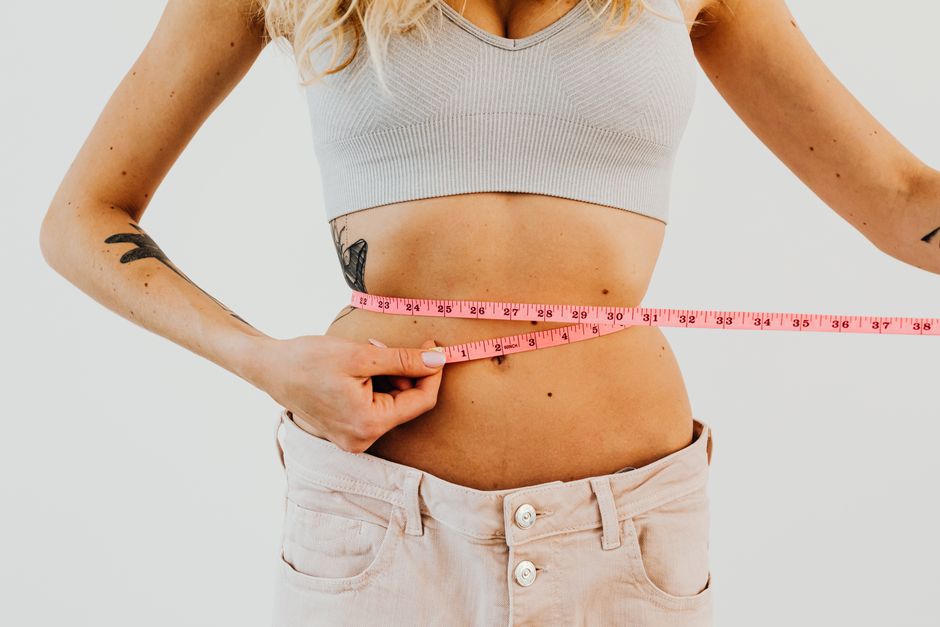
Body fat can be measured at several specific sites on the body, and the right spot depends entirely on the tool you use. Calipers pinch skin at defined anatomical points like the triceps, thigh, and waist. Scales and smart devices estimate fat by sending a small current through your body, usually from foot to foot or hand to foot. Scans like DEXA measure you lying down across your whole body. Each method has its own measurement location, and using the wrong spot throws off the number.
Where To Measure Body Fat Calipers Scales Scans?
Each tool measures at a different place because each one works on a different principle. Calipers measure a pinch of skin and fat at set landmarks. Scales and bioelectrical impedance devices send current through your body and read the resistance. Scans image your whole body or large sections of it.
Here is where each method actually takes its reading:
- Skinfold calipers: Specific pinch sites — triceps, biceps, subscapular (below the shoulder blade), suprailiac (above the hip bone), thigh, chest, abdomen, and midaxillary (mid-ribcage under the armpit). Which sites get used depends on the formula.
- Bioelectrical impedance scales: Foot-to-foot current through the lower body. Hand-to-foot models send current from one hand to the opposite foot and capture more of the torso.
- DEXA scans: Whole-body scan taken lying down. Reports fat by region — arms, legs, trunk, and total.
- Bod Pod (air displacement): Whole-body. You sit inside a sealed chamber and the device measures air displacement.
- Hydrostatic weighing: Whole-body underwater. You are submerged and weighed while fully exhaled.
The location matters because fat is not distributed evenly. A caliper reading at the thigh tells you about thigh fat, not belly fat. A foot-to-foot scale mostly reads your legs and lower trunk. This is why two methods can give you two different numbers on the same day.
How Do Skinfold Calipers Measure Body Fat?
Calipers measure the thickness of a skinfold — a double layer of skin and the fat directly beneath it. You pinch the skin away from the muscle, place the caliper jaws on either side of the fold, and read the thickness in millimeters.
The measurement is taken at precise anatomical landmarks. If you are off by even a centimeter, the reading changes. The tester needs to pinch the same spot every time, at the same angle, with the same tension.
Common sites and how they are located:
- Triceps: Back of the upper arm, midway between the shoulder and elbow.
- Biceps: Front of the upper arm, same midpoint.
- Subscapular: Just below the bottom tip of the shoulder blade, at a slight angle.
- Suprailiac: Above the hip bone, along the natural fold line.
- Thigh: Front of the thigh, midway between the hip and knee.
- Abdomen: About an inch to the side of the navel, taken vertically.
Different formulas use different combinations of sites. The Jackson-Pollock formulas are widely used — a 3-site version and a 7-site version. The 7-site version is more accurate but takes longer and requires more skill.
Here is the part most people miss: caliper accuracy depends more on the tester than the tool. A skilled tester using a basic caliper can get closer to a true value than an untrained person using an expensive one. If you are measuring yourself, you cannot reliably pinch your own back or triceps. Have someone trained do it, or accept that self-measurement has real limits.
Calipers also cannot measure visceral fat — the fat packed around your organs inside your abdomen. Skinfold calipers only read subcutaneous fat, the fat just under your skin. Two people with the same skinfold total can have very different amounts of visceral fat, and visceral fat carries more health risk.
How Do Scales And Smart Devices Estimate Body Fat?
Bioelectrical impedance analysis (BIA) sends a weak electrical current through your body. Fat resists the current more than muscle and water do. The device measures that resistance and plugs it into an equation that estimates body fat percentage.
Foot-to-foot scales send current up one leg and down the other. Hand-to-foot models — the kind with handles or a standing unit you grip — send current from hand to foot and read more of your torso. Because the torso holds a large share of your body fat, hand-to-foot devices generally give a better whole-body estimate than foot-to-foot scales.
The catch is hydration. BIA estimates lean mass by assuming a certain water content in your body. If you are dehydrated, your resistance goes up and the device may read you as fatter. If you just exercised, drank a lot of water, or ate a big meal, the reading shifts too. This is why BIA numbers can swing several percentage points within a single day.
For tracking trends over weeks and months, BIA can be useful — as long as you measure under the same conditions each time. For an accurate single reading, it is less reliable. A 2016 review of consumer body fat devices found that many had error margins wide enough to misclassify people. The direction of the trend is more trustworthy than any single number.
Some newer scales add a handle or extra sensors. These tend to be somewhat more accurate than plain foot-to-foot scales, but the underlying limitations stay the same. No consumer scale measures visceral fat directly.




What About DEXA Scans And Other Clinical Methods?
DEXA (dual-energy X-ray absorptiometry) is widely considered a reference method for body composition. You lie still on a table while two low-dose X-ray beams pass through your body. The scan separates bone, lean tissue, and fat, and reports fat by region — arms, legs, trunk, and total.
DEXA gives you more detail than any home device. It can show whether your fat sits mostly in your trunk or your limbs. It also measures bone density, which is useful for older adults. The scan takes about 10 to 20 minutes and involves a very small radiation dose — less than a typical chest X-ray.
DEXA is not perfect. Different machines and different software versions can produce slightly different results, so comparing a scan from one clinic to a scan from another may not be apples to apples. For tracking your own changes over time, use the same machine and the same clinic if you can.
Other clinical methods include:
- Bod Pod: Measures body volume by air displacement. Fast and comfortable, but it estimates fat from density, which assumes a fixed relationship between fat mass and lean mass that is not exact for everyone.
- Hydrostatic weighing: The older underwater method. Accurate for many people but uncomfortable, and it makes the same density assumptions as the Bod Pod.
- MRI and CT: The most precise way to measure visceral fat, but expensive and rarely used just for body fat tracking.
For most people, the practical question is not which method is most accurate in a lab. It is which method you will use consistently. A $30 caliper used the same way every month can tell you more about your trend than a single DEXA scan you never repeat.
Why Do Different Methods Give Different Numbers?
Two devices can measure you on the same morning and disagree by several percentage points. This is normal, and it does not mean one is broken.
The reasons come down to what each method actually measures:
- Different measurement sites. Calipers read a few pinch points. BIA reads electrical resistance through your whole body. DEXA images everything. They are not measuring the same thing.
- Different assumptions. BIA assumes a fixed hydration level. The Bod Pod assumes a fixed density of lean tissue. When your body does not match the assumption, the estimate drifts.
- Different formulas. Even two caliper formulas applied to the same pinches can give different results, because they were built from different reference populations.
Here is a useful way to think about it: no method measures body fat directly. Every one of them measures something else — a pinch, a resistance, an X-ray absorption — and then estimates fat from that. The estimate carries the error of the assumption.
What matters is consistency. Pick one method. Use it the same way, at the same time of day, under the same conditions. Track the direction over months. A single number from any device is far less meaningful than a trend you can trust.
Which Method Should You Actually Use?
It depends on what you want the number for.
If you want a rough trend you can track at home, a hand-to-foot BIA scale or a trained caliper measurement works. Measure at the same time, in the same conditions, and look at the direction over weeks, not a single reading.
If you want a detailed regional breakdown or you are tracking changes alongside a medical condition, a DEXA scan gives you more. Some clinicians use it to monitor bone density and body composition together.
If you just want to know whether your weight is in a healthy range, waist circumference is a simple and well-established measure. It captures abdominal fat, which is the fat most linked to metabolic risk. A tape measure costs almost nothing and does not depend on hydration or tester skill.
No single method is best for everyone. The best one is the one you will use consistently and understand the limits of.
Frequently Asked Questions
Where do you measure body fat with calipers?
Calipers measure at set pinch sites including the triceps, biceps, subscapular, suprailiac, thigh, and abdomen. The exact sites used depend on the formula, such as the 3-site or 7-site Jackson-Pollock method.
Are body fat scales accurate?
Consumer BIA scales can be useful for tracking trends but are less reliable for a single accurate reading. Hydration, recent exercise, and food intake can shift the number by several percentage points.
What is the most accurate way to measure body fat?
DEXA, MRI, and CT are considered the most accurate methods, with DEXA widely used as a reference standard. For home tracking, consistency with one method matters more than which method you choose.
Can calipers measure belly fat?
Calipers measure subcutaneous fat — the fat just under the skin — at pinch sites including the abdomen. They cannot measure visceral fat, the fat packed around internal organs, which carries more health risk.
