
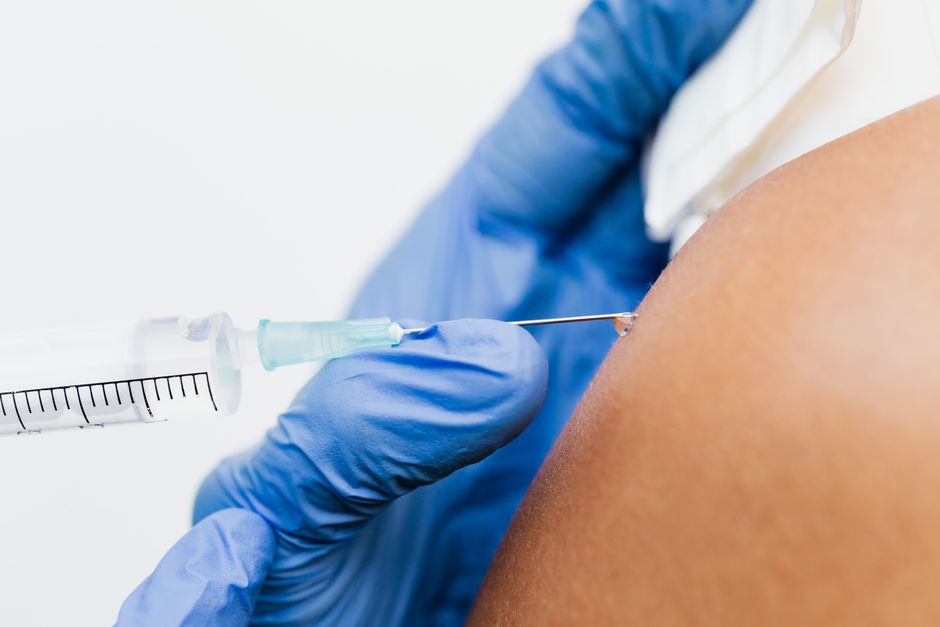
Testosterone injections are given into a muscle, not under the skin or into a vein. The most common and recommended sites are the thigh and the buttock. The exact spot matters because it affects how well the medicine absorbs and how much pain you feel. This guide covers the standard injection sites, the technique for each, and what to do if you are unsure about doing it yourself.
What Are the Standard Testosterone Injection Sites?
Testosterone for injection is an oil-based medication. It must go into a muscle layer, which allows the body to absorb it slowly over days or weeks. The two primary sites are the thigh and the buttock.
The vastus lateralis muscle is on the outer side of the thigh. It is the most common site for self-injection because you can see it clearly. The gluteus medius is the upper outer quadrant of the buttock. This site is often preferred by healthcare providers because the muscle is large and absorbs the medication well.
Some people also use the deltoid muscle in the upper arm, but this is less common for testosterone because the muscle is smaller and can only handle smaller volumes of fluid. Your doctor will tell you which site is best for your prescription.
How to Inject Testosterone in the Thigh
The thigh is the easiest site for most people to manage alone. You are looking for the outer middle section of the thigh, about halfway between the hip and the knee. Divide the front of the thigh into three equal vertical sections. Use the outer middle section only.
To find the exact spot, place one hand on your hip and one on your knee. The injection goes into the muscle between those two points, on the outer side. Avoid the inner thigh where major blood vessels and nerves run.
Clean the skin with an alcohol wipe and let it dry completely. Pinch the skin gently or hold it taut, depending on what your provider taught you. Insert the needle at a 90-degree angle straight into the muscle. Pull back the plunger slightly to check for blood. If blood appears, withdraw the needle and start over with a fresh needle and medication. If no blood appears, push the plunger slowly and steadily. Remove the needle and apply light pressure with a clean cotton ball.
How to Inject Testosterone in the Buttock
The buttock injection uses the upper outer quadrant of the gluteal muscle. Imagine dividing one buttock cheek into four quadrants with an imaginary cross. The injection goes into the upper outer quadrant, away from the center where the sciatic nerve runs.
This site is harder to reach on your own. Many people have a partner, friend, or family member give the injection. If you must do it yourself, practice in front of a mirror until you are confident in the location.
The technique is the same as the thigh. Clean the skin, insert the needle at 90 degrees, aspirate to check for blood, and inject slowly. The buttock can absorb larger volumes than the thigh, so it is often used for higher doses.
Do not inject into the center of the buttock or the lower half. The sciatic nerve runs through the lower inner area. Hitting it causes severe pain and possible nerve damage.
What Needle Size and Length Should You Use?
Needle length depends on how much body fat you have over the muscle. A standard intramuscular injection uses a 1-inch to 1.5-inch needle. Thinner people often use 1 inch. People with more subcutaneous fat may need 1.5 inches to reach the muscle.
Needle gauge refers to thickness. Common sizes are 22-gauge, 23-gauge, and 25-gauge. Lower numbers mean thicker needles. A 22-gauge or 23-gauge needle is typical for drawing up the oil-based medication because it flows more easily through a wider needle. Many people switch to a 25-gauge needle for the actual injection to reduce pain.
Do not reuse needles. Use a fresh needle for each draw and each injection. Reusing needles increases the risk of infection and causes the needle to dull, which makes the injection more painful.
Step-by-Step Injection Technique
Follow these steps exactly as your healthcare provider taught you. If anything feels wrong, stop and call their office.
- Wash your hands thoroughly with soap and water.
- Gather all supplies: medication vial, syringe, needles, alcohol wipes, cotton ball, and a sharps container.
- Check the medication vial for any particles or discoloration. Do not use it if anything looks off.
- Clean the top of the vial with an alcohol wipe.
- Draw air into the syringe equal to your prescribed dose. Insert the needle into the vial and push the air in.
- Turn the vial upside down and draw the medication. Tap the syringe to remove air bubbles and push them out.
- Switch to a fresh needle for injection if you have one.
- Clean the injection site with an alcohol wipe. Let it dry completely. Do not fan it.
- Insert the needle at a 90-degree angle with a quick, smooth motion.
- Pull back the plunger slightly. If blood enters the syringe, remove the needle and start over.
- Inject the medication slowly over several seconds.
- Withdraw the needle and apply gentle pressure with a cotton ball. Do not rub the area.
- Dispose of the needle and syringe in a proper sharps container immediately.
Rotate injection sites each time. Using the same spot repeatedly causes scar tissue to form, which makes future injections harder and less effective.
What Are the Risks of Wrong Injection Technique?
Injecting into the wrong spot can cause serious problems. The most common error is injecting into subcutaneous fat instead of muscle. This slows absorption and can cause painful lumps under the skin.
Injecting too close to a nerve causes sharp, shooting pain and possible temporary numbness. The sciatic nerve in the buttock and the femoral nerve in the thigh are the main ones to avoid. Hitting a blood vessel is less common but can cause bleeding or the medication entering the bloodstream too quickly.
Infection is a risk with any injection. Signs of infection include increasing redness, warmth, swelling, or drainage at the site, along with fever. If you notice these symptoms, call your doctor right away.
A rare but serious risk is an oil droplet entering the bloodstream and traveling to the lungs. This is known as pulmonary oil microembolism. Symptoms include coughing, chest pain, shortness of breath, or dizziness during or right after the injection. This requires immediate medical attention.
Can You Inject Testosterone Subcutaneously Instead?
Some doctors prescribe subcutaneous testosterone injections instead of intramuscular. This uses a shorter, thinner needle inserted at a 45-degree angle into the fat layer just under the skin. Common sites are the abdomen, thigh, or upper arm.
This method has become more common in recent years. Some research suggests it produces similar testosterone levels with fewer side effects. However, not all testosterone formulations are approved for subcutaneous use. Only use this method if your doctor specifically prescribes it and shows you the technique.
Do not assume you can switch methods on your own. The medication concentration and dosing schedule may differ between intramuscular and subcutaneous routes.
When Should You Ask for Help?
If you feel anxious about self-injection, you are not alone. Many people struggle with this at first. Ask your healthcare provider to watch you do an injection before you try it alone at home. Most clinics will have a nurse demonstrate and supervise your first attempt.
Your pharmacy may also offer injection training. Some health plans cover home health visits for injection teaching. Call your insurance company to ask what is available.
If you experience severe pain, bleeding that does not stop, or any signs of an allergic reaction such as hives or trouble breathing, seek medical care immediately.
Frequently Asked Questions
Where is the safest place to inject testosterone?
The outer middle thigh is the safest site for self-injection because you can see it clearly and avoid major nerves and blood vessels. The upper outer quadrant of the buttock is also safe but harder to reach alone.
What happens if you inject testosterone into the wrong spot?
Injecting into fat instead of muscle slows absorption and can cause painful lumps. Hitting a nerve causes sharp pain and temporary numbness, and hitting a blood vessel can cause bleeding or the medication entering the bloodstream too quickly.
How often should you rotate testosterone injection sites?
Rotate sites with every injection, alternating between the left and right thigh or buttock. Repeated use of the same spot leads to scar tissue that makes future injections more painful and less effective.
Can you give yourself a testosterone shot in the buttock?
Yes, but it is difficult because the site is hard to reach and see. Many people use a mirror or have a partner assist. If you cannot see the site clearly, use the thigh instead.
