
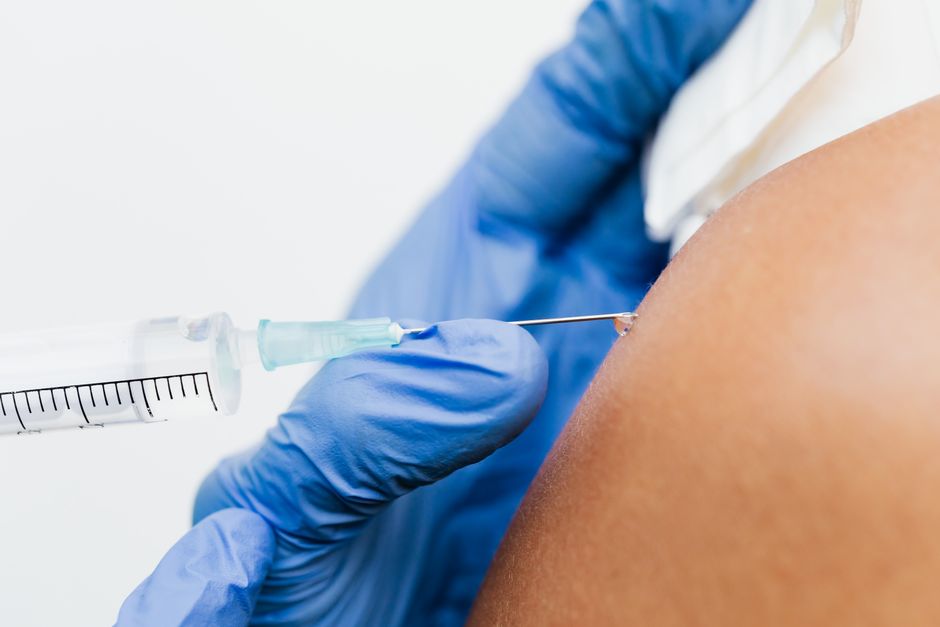
Subcutaneous testosterone injections go into the fatty layer just under the skin, most often in the belly, the front of the thigh, or the upper outer buttock. The abdomen is the most common site because the tissue there is soft, easy to reach, and tends to absorb the medication steadily. This method differs from the older intramuscular approach, which places the needle deeper into muscle. Both can deliver testosterone effectively, but the injection technique, needle size, and rotation of sites are different.
Where To Inject Subcutaneous Testosterone: The Main Sites
Three areas are commonly used for subcutaneous testosterone. Each has trade-offs in comfort, ease of self-injection, and how well the tissue absorbs the drug.
- Abdomen: The area around the belly button, staying at least two finger-widths away from it. This is the most popular site because you can see it, reach it, and pinch the skin easily.
- Front of the thigh: The upper outer portion where the skin is loose enough to lift. Useful for people who prefer not to inject the belly.
- Upper outer buttock: Sometimes used, but harder to self-inject and less commonly chosen for that reason.
The abdomen tends to be the first choice for most people. It offers a large surface area, which matters because you need to move the injection spot each time. A larger area means more room to rotate and less repeat trauma to one patch of skin.
A common point of confusion: subcutaneous and intramuscular are not the same thing, and the needle you use is not the same either. Subcutaneous injections use a shorter, thinner needle because the fat layer sits just below the skin. Intramuscular injections need a longer needle to reach the muscle. Using the wrong needle length for the chosen method can put the medication in the wrong tissue.
Why Does Injection Site Rotation Matter?
Rotating the injection site prevents the buildup of scar tissue and hard lumps under the skin. If you inject the same spot over and over, the tissue can thicken and form what clinicians call lipohypertrophy — a firm, sometimes painless lump of fatty tissue. This matters for more than comfort.
When tissue becomes scarred or thickened, absorption of the medication can become unpredictable. The drug may not enter the bloodstream at the same rate, which can affect how stable your testosterone levels stay between doses. This is a well-documented issue with insulin injections, and the same principle applies to any medication given subcutaneously on a regular schedule.
The practical rule is simple: move at least one finger-width from your last injection site each time. If you use the abdomen, work your way around the available area in a pattern rather than clustering shots in one place. Keep a mental map or note which side you used last.
How Do You Prepare and Give the Injection?
Clean technique matters. The steps below reflect standard subcutaneous injection practice, though your prescriber’s specific instructions take priority.
- Wash your hands thoroughly with soap and water.
- Gather your supplies: the vial or pre-filled syringe, an alcohol swab, and a sharps container.
- If using a vial, wipe the rubber stopper with an alcohol swab and let it dry.
- Draw the prescribed dose into the syringe using the needle your prescriber specified.
- Choose your site and wipe the skin with an alcohol swab. Let it air-dry completely — injecting into wet alcohol can sting.
- Pinch a fold of skin between your thumb and fingers. This lifts the fatty layer away from muscle.
- Insert the needle at a 45- to 90-degree angle, depending on the needle length and your body composition.
- Pull back slightly on the plunger only if your prescriber instructs you to. For subcutaneous injections, this step is often not required, but follow your specific instructions.
- Inject slowly. Pushing too fast can cause discomfort and may force medication into surrounding tissue.
- Withdraw the needle and press a clean gauze or cotton ball over the site for a few seconds. Do not rub.
- Dispose of the needle in a sharps container immediately.
The angle of the needle is not arbitrary. Thinner people may need a 45-degree angle to avoid reaching muscle. People with more subcutaneous fat may use a 90-degree angle. Your prescriber or pharmacist can tell you which angle fits your body and needle length.





What Needle and Syringe Should You Use?
Subcutaneous injections generally use a shorter and finer needle than intramuscular injections. Common sizes for subcutaneous use are around 25 to 27 gauge and roughly 3/8 to 5/8 inch in length. A higher gauge number means a thinner needle, which usually means less discomfort.
That said, the exact needle and syringe depend on the testosterone formulation, the volume you inject, and your body composition. Testosterone is an oil-based medication, which is thicker than water-based drugs. That means you may need a slightly larger gauge to draw it up smoothly than you would for a thinner solution.
Do not substitute needles on your own. If your pharmacy gives you a different size than expected, ask the pharmacist to confirm it is appropriate for subcutaneous use with your specific product.
What Are the Risks and Side Effects?
The most common local reactions are mild: redness, a small bruise, soreness, or a bit of swelling at the injection site. These usually settle within a day or two. They are not a sign that something went wrong.
More concerning signs include:
- Increasing pain, heat, or swelling that gets worse instead of better
- Red streaks spreading from the site
- Fever or chills
- Pus or drainage
- A firm lump that does not go away
These can suggest infection or another problem and warrant contacting a clinician. Injection site infections are uncommon with proper technique but not impossible.
Systemic side effects of testosterone therapy itself are separate from injection site issues. They can include acne, changes in mood, increased red blood cell count, and effects on cholesterol. These are managed by your prescriber through monitoring, not by changing where you inject. No injection site choice eliminates the systemic effects of the medication.
Does the Injection Site Affect Absorption?
Yes, but the effect is modest and varies between people. Subcutaneous tissue has a blood supply, and the medication is absorbed into the bloodstream from there. Blood flow differs between the abdomen, thigh, and buttock, so absorption rates can differ slightly depending on where you inject.
This is one reason consistency helps. If you always inject in roughly the same region — rotating within it — your absorption pattern tends to stay more predictable. Switching between very different sites each week could, in theory, create more variability in your levels, though the research on how much this matters for testosterone specifically is limited.
What is well established is that subcutaneous and intramuscular testosterone can both raise and maintain testosterone levels. Studies comparing the two routes have generally found them to be similarly effective for that purpose, though individual responses vary.
One point that is often oversimplified: the idea that one injection site is clearly superior to another for absorption is not strongly supported. The differences are small enough that comfort, accessibility, and consistent rotation usually drive the choice more than absorption concerns.
When Should You Talk to Your Prescriber?
Contact your prescriber if you have trouble with the technique, if injections are consistently painful, or if you notice lumps that do not resolve. Also reach out if you experience symptoms that could relate to your testosterone levels — such as unusually low energy, mood changes, or signs of high red blood cell counts like headaches or unusual fatigue.
Never adjust your dose or injection frequency on your own based on how you feel. Testosterone therapy requires monitoring through blood tests, and dose changes should follow those results and your prescriber’s guidance.
Frequently Asked Questions
Where is the best place to inject subcutaneous testosterone?
The abdomen is the most commonly recommended site because it is easy to reach and has a large area for rotation. The front of the thigh is a common alternative. Your prescriber may suggest a specific site based on your body and preferences.
Can I inject subcutaneous testosterone into my buttock?
Yes, the upper outer buttock can be used for subcutaneous injections, but it is harder to reach and self-inject. Most people choose the abdomen or thigh for that reason.
How often should I change my injection site?
You should move to a different spot each time you inject, staying at least one finger-width from your last site. Rotating prevents scar tissue and helps keep absorption consistent.
Does it matter if I inject into fat versus muscle?
Yes, the two methods use different needle lengths and angles. Subcutaneous injections go into the fatty layer just under the skin, while intramuscular injections reach deeper into muscle. Follow your prescriber’s instructions for the method you were given.
