
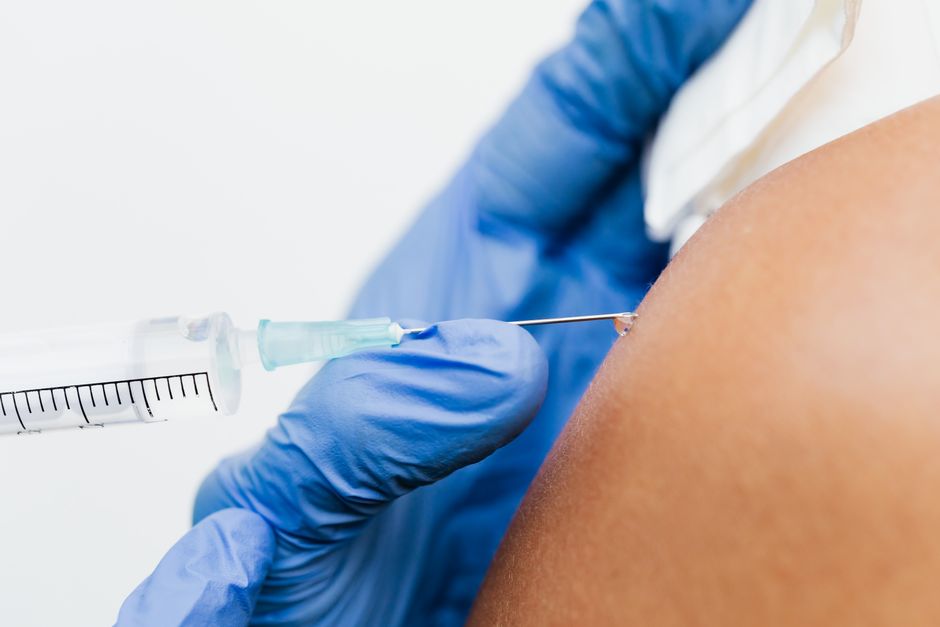
The vastus lateralis muscle on the outer side of the thigh is the standard and safest site for a self-administered testosterone injection. You give the injection in the middle third of the outer thigh, between the hip and the knee, staying on the outside of the leg away from major blood vessels and nerves. This area is large, easy to reach, and has a low risk of hitting something you should not.
Why the Outer Thigh Is the Preferred Site
The outer thigh muscle, called the vastus lateralis, is the most commonly recommended injection site for people who give themselves testosterone at home. It is part of the quadriceps group, which runs down the front and side of the thigh. The muscle is thick and well-developed in most adults, which makes it a safe target for intramuscular injections.
Several factors make this site ideal. The muscle is large enough to absorb a standard testosterone dose. It is easy to see and reach with either hand. And critically, the major nerves and blood vessels of the leg run along the inner and middle portions of the thigh, not the outer edge. Injecting into the outer third keeps you well away from the femoral artery, femoral vein, and sciatic nerve.
Healthcare providers often teach this site first because it is forgiving. Even if your technique is not perfect, the risk of serious complications is lower here than at other common sites like the gluteal muscles.
Step-by-Step: Locating the Exact Injection Spot
Finding the right spot takes about ten seconds once you know the landmarks. You are aiming for the middle third of the outer thigh muscle, not the upper third near the hip or the lower third near the knee.
Here is how to find it:
- Sit down or stand with your leg relaxed and slightly bent.
- Place one hand on your hip and one hand on your knee.
- The space between your hands is roughly the middle third of your thigh.
- Now imagine a line running down the very center of the outer thigh, from hip to knee.
- Your injection site is on the outer side of that imaginary line, in the middle third of the thigh.
You want to inject into the meaty part of the muscle on the outer side, not the front of the thigh and not the back. If you pinch the skin in this area, you should feel a thick layer of muscle underneath. That muscle is your target.
Alternating Sides and Rotation
Do not inject into the exact same spot every time. Rotating injection sites reduces tissue damage, scar formation, and discomfort over time.
The standard approach is to alternate legs with each injection. If you inject on Monday, use your right thigh. Two weeks later, use your left thigh. This gives each side two full weeks to recover between injections, which is generally enough time for the muscle tissue to heal.
You can also vary the spot slightly within the middle third of the same thigh. Move the injection site an inch or two up, down, or sideways between doses. Just stay within the middle third and keep to the outer side. This type of rotation is common clinical practice and helps prevent the skin and muscle from becoming hardened or less absorbent over time.





Choosing the Right Needle Length and Gauge
Testosterone for injection is an oil-based medication. It is thicker than water-based solutions, so it requires a needle that can handle the viscosity. The needle must also be long enough to reach the muscle, not just the fat layer above it.
For most adults, a needle of 1 to 1.5 inches in length is appropriate for thigh injections. The gauge, which refers to needle thickness, is typically 22 to 25 gauge. A 22-gauge needle is thicker and allows the oil to flow more easily, but it causes more discomfort. A 25-gauge needle is thinner and more comfortable, but the injection takes longer because the oil moves through a smaller opening.
Your healthcare provider will prescribe a specific needle size based on your body composition. People with more subcutaneous fat over the thigh muscle may need a longer needle. People with very little body fat may do fine with a shorter one. If you are unsure, ask your provider. Using a needle that is too short can result in the medication being deposited into fat rather than muscle, which slows absorption and can cause lumps or irritation.
Proper Injection Technique
Clean technique is essential. Wash your hands thoroughly before handling any supplies. Clean the injection site with an alcohol swab using a circular motion, starting at the center and moving outward. Let the alcohol dry completely before injecting. Alcohol that enters the skin with the needle can cause a burning sensation.
Here is the standard technique for a thigh injection:
- Remove the needle cap and draw the prescribed dose of testosterone into the syringe.
- Switch to a fresh needle if your syringe allows it. A new needle is sharper and cleaner.
- Hold the syringe like a dart, with your dominant hand.
- Use your other hand to gently stretch the skin taut at the injection site.
- Insert the needle at a 90-degree angle, straight into the muscle.
- Insert it quickly and smoothly. Slow insertion causes more pain.
- Once the needle is fully in, pull back gently on the plunger to check for blood.
- If blood appears in the syringe, withdraw the needle, discard it, and start over with fresh supplies.
- If no blood appears, push the plunger slowly and steadily to inject the medication.
- Withdraw the needle at the same angle you inserted it.
- Apply gentle pressure with a clean cotton ball or gauze. Do not massage the area.
The practice of pulling back on the plunger to check for blood is called aspiration. Some clinical guidelines have questioned whether aspiration is necessary for thigh injections, but many clinicians still recommend it as a safety measure. If your provider has given you specific instructions, follow those.
Common Mistakes and How to Avoid Them
The most common mistake people make is injecting too low on the thigh. The lower third of the thigh, near the knee, has less muscle mass and more tendons and connective tissue. Injecting there is more painful and less effective.
Injecting too high, near the hip, is also problematic. The upper thigh has more fat and the muscle is less defined. You may not reach the muscle at all.
Another frequent error is injecting into the front of the thigh instead of the outer side. The front of the thigh has more nerve endings and is more sensitive. The outer side is the target.
Injecting into a tense or flexed muscle is also a mistake. The muscle should be relaxed when you inject. A tense muscle is harder to penetrate and more painful. If you are standing, shift your weight to the opposite leg so the injection leg is relaxed.
When to Rotate to a Different Injection Site
Some people develop soreness, redness, or hard lumps at the thigh injection site over time. This is usually due to repeated injections in the same spot or shallow injections that deposit medication into fat. If this happens, let the area fully heal before using it again.
If you have significant scar tissue or skin changes in both thighs, your provider may recommend switching to a different injection site. The gluteal muscles in the buttocks are the most common alternative. However, self-injection into the glutes is more difficult because the site is harder to see and reach. Many people need a partner or a special device to inject into the buttocks themselves.
Other possible sites include the deltoid muscle in the upper arm, but this muscle is smaller and less suitable for the volume of medication typically used in testosterone therapy. Your healthcare provider should guide any change in injection site.
Signs of a Problem After Injection
Some soreness at the injection site for a day or two is normal. The oil-based medication can cause mild irritation as it disperses through the muscle. This is not a cause for concern.
Seek medical attention if you experience any of the following:
- Severe pain that does not improve
- Redness, warmth, or swelling that spreads
- Fever
- Numbness or tingling in the leg
- Difficulty bearing weight on the leg
- Bleeding that does not stop with pressure
These symptoms could indicate infection, nerve damage, or injection into a blood vessel. They are rare with proper technique, but they require prompt medical evaluation if they occur.
Frequently Asked Questions
How do I find the right spot on my thigh for a testosterone injection?
Place one hand on your hip and one on your knee, then inject into the middle third of the outer thigh between your hands. Stay on the outer side of the leg, away from the front and inner thigh.
What needle length should I use for a thigh testosterone injection?
Most adults use a 1 to 1.5 inch needle for thigh injections. The right length depends on your body fat, so follow your healthcare provider’s specific prescription.
Can I inject testosterone into the front of my thigh?
You should inject into the outer side of the thigh, not the front. The front has more nerve endings and is more painful, while the outer side is safer and better suited for the injection.
How often should I switch thighs for testosterone injections?
Alternate legs with each injection so each side has time to heal. If you inject every two weeks, that means using each thigh once a month.
