
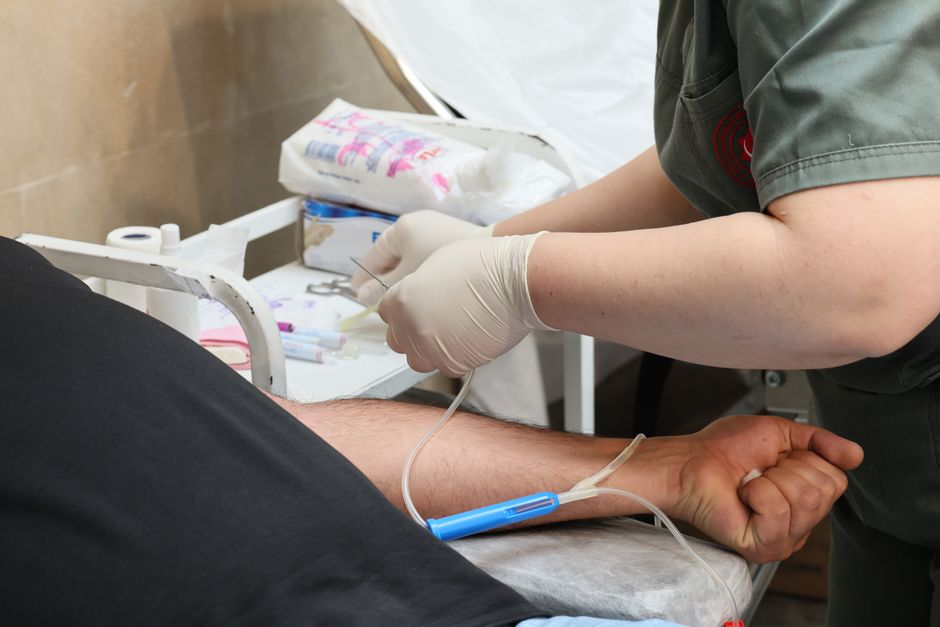
Therapeutic phlebotomy is a procedure where blood is removed for medical reasons, not donation. It is most often used to treat conditions like hemochromatosis and polycythemia vera, where too much iron or too many red blood cells can damage organs over time. If you need this treatment, the most reliable places to get it are hospital-based apheresis or transfusion centers, hematology clinics, and some blood donation centers that offer a therapeutic program.
Your doctor’s referral is usually the starting point. From there, the location depends on your diagnosis, your insurance, and what is available in your region.
What Is Therapeutic Phlebotomy and Who Needs It?
Therapeutic phlebotomy removes a set volume of blood to lower specific blood components or iron levels. It is not the same as donating blood, even though the physical act looks similar. Donated blood goes into a supply for transfusions. Blood drawn therapeutically is usually discarded, or in some cases may be used if the collection center follows specific regulatory rules.
The two most common conditions treated with this procedure are hereditary hemochromatosis and polycythemia vera.
In hereditary hemochromatosis, the body absorbs too much iron from food. Over years, that iron builds up in the liver, heart, pancreas, and joints. Phlebotomy removes red blood cells, and the body pulls iron from storage to make new ones. This gradually lowers total body iron.
In polycythemia vera, the bone marrow makes too many red blood cells. That thickens the blood and raises the risk of clots. Removing blood brings the hematocrit down toward a safer range.
Other situations where phlebotomy may be used include some cases of porphyria cutanea tarda, certain liver conditions with iron overload, and rarely in newborns with specific blood disorders. Each case is different, and the decision to use phlebotomy is made by a specialist based on lab results and symptoms.
Where To Get Therapeutic Phlebotomy Near You
You have several options, and the right one depends on your condition and your local health system.
Hospital apheresis or transfusion medicine departments are the most common setting. These units have staff trained to manage therapeutic blood removal, monitor for reactions, and handle complex cases. If you have polycythemia vera or a related blood disorder, this is often where you will be referred.
Hematology and oncology clinics sometimes offer phlebotomy on-site, especially if they treat blood disorders regularly. Your hematologist may perform the procedure in the clinic or send you to the hospital unit.
Some blood donation centers run therapeutic phlebotomy programs. The American Red Cross and some regional blood centers offer this service, but not all locations do. You usually need a doctor’s order, and the center may have specific rules about which diagnoses they accept.
Gastroenterology and hepatology clinics may provide phlebotomy for patients with liver-related iron overload, depending on the practice.
To find a location, start with your doctor. Ask for a referral to a hematologist or a hospital transfusion service. You can also call your local hospital and ask if they have a therapeutic phlebotomy program. Blood centers that offer the service usually list it on their website or can tell you over the phone.
If you live in a rural area, the closest option may be a larger hospital an hour or more away. Some clinics coordinate with mobile units or satellite locations, but this varies widely.
How Do You Prepare for Therapeutic Phlebotomy?
Preparation is simple but matters. Drink plenty of water in the 24 hours before your appointment. Good hydration helps maintain blood pressure during and after the draw.
Eat a normal meal within a few hours of the procedure unless your doctor tells you otherwise. Going in on an empty stomach can make you more likely to feel lightheaded.
Tell your care team about all medications, especially blood thinners. Some medications may need to be adjusted, but never stop or change a prescription without talking to your doctor first.
Wear clothing with sleeves that can roll up easily. You will need access to a vein in your arm.
If you have a history of fainting during blood draws, let the staff know. They can position you safely and monitor you more closely.
What Happens During and After the Procedure?
The procedure itself usually takes 15 to 30 minutes, though the full visit may be longer with check-in and monitoring. You will sit or recline in a chair. A needle is placed in a vein, and blood flows into a collection bag. The volume removed depends on your condition and your doctor’s instructions.
For hemochromatosis, a typical session may remove about 500 mL of blood, which contains roughly 200 to 250 mg of iron. This is a general figure, and your doctor will set the exact amount based on your iron levels and how you tolerate the procedure.
Afterward, you may feel tired or lightheaded. Most people can drive themselves home, but if you feel unsteady, arrange a ride. Drink extra fluids for the rest of the day. Avoid heavy lifting or intense exercise for at least a few hours.
Your doctor will schedule follow-up lab work to check your iron levels or hematocrit. The frequency of treatments varies. Some people need phlebotomy every week or two at first, then less often once levels stabilize. Others need it only a few times a year. Maintenance schedules are highly individual.
What Are the Risks and Side Effects?
The most common side effects are lightheadedness, fatigue, and bruising at the needle site. These usually resolve within a day.
More serious but less common risks include fainting, a drop in blood pressure, and iron deficiency if treatments are too frequent. Your care team monitors for these.
Infection at the needle site is rare when standard sterile technique is used.
Some people with polycythemia vera may experience a temporary increase in platelet counts after phlebotomy, which is why regular monitoring is important.
If you have heart or lung disease, the procedure may need to be done more slowly or with extra monitoring. Tell your doctor about all your health conditions.
Does Insurance Cover Therapeutic Phlebotomy?
Coverage depends on your diagnosis and your plan. Most insurance plans cover therapeutic phlebotomy when it is medically necessary for a diagnosed condition like hemochromatosis or polycythemia vera.
You will likely need a referral and prior authorization in some cases. The hospital or clinic will usually handle the paperwork, but it helps to confirm coverage before your first appointment.
If you get the procedure at a blood donation center, the cost may be lower or free, depending on the center’s policy. Some centers charge a fee, and some waive it if the blood can be used for transfusion. Rules vary by state and by center.
Medicare generally covers therapeutic phlebotomy when it is ordered by a doctor for a covered diagnosis. Medicaid coverage varies by state.
If you are uninsured, ask the hospital about financial assistance programs. Many hospitals offer sliding-scale fees based on income.
Can You Donate Blood Instead?
No. Donating blood is not a substitute for therapeutic phlebotomy. Blood donation centers have eligibility rules that may disqualify you if you have certain conditions, and the volume and frequency of donation are not tailored to your medical needs.
Some people with hemochromatosis were once allowed to donate, but rules have changed. Today, many centers accept therapeutic phlebotomy patients under specific programs, but this is not the same as routine donation. Your doctor will guide you on the right approach.
What Should You Ask Your Doctor?
Before starting therapeutic phlebotomy, ask:
- What is my diagnosis, and why is phlebotomy recommended?
- How often will I need treatments, and for how long?
- What are my target iron or hematocrit levels?
- Where will the procedure be done, and who will perform it?
- What side effects should I watch for?
- How will we monitor my progress?
- Will my insurance cover this, and what will I owe?
These questions help you understand the plan and what to expect. Therapeutic phlebotomy is a well-established treatment for certain conditions, but it requires ongoing monitoring and coordination with your care team.
Frequently Asked Questions
Can I get therapeutic phlebotomy at a regular blood donation center?
Some blood centers offer therapeutic phlebotomy, but not all. You will need a doctor’s order, and the center may have specific rules about which diagnoses they accept.
How often do you need therapeutic phlebotomy for hemochromatosis?
Frequency varies by person. Many people start with weekly or biweekly treatments until iron levels drop, then move to a maintenance schedule every few months. Your doctor will set the schedule based on your lab results.
Is therapeutic phlebotomy painful?
Most people feel only a brief pinch when the needle goes in. The procedure itself is usually not painful, though you may feel tired or lightheaded afterward.
Does insurance pay for therapeutic phlebotomy?
Most insurance plans cover it when it is medically necessary for a diagnosed condition. You may need a referral or prior authorization, so check with your plan before your first appointment.
