
CAR T cell therapy is not available at your local hospital or walk-in clinic. It is offered only at specialized medical centers that meet strict certification requirements, and in the United States those centers are listed by the Foundation for the Accreditation of Cellular Therapy (FACT). To find one near you, search the FACT directory or contact the manufacturer of the specific CAR T product your doctor is considering. Most patients travel to a certified center, often in a major city or academic medical institution, because the therapy requires specialized training, equipment, and intensive monitoring.
Where Is CAR T Cell Therapy Available Near You?
CAR T cell therapy is currently approved by the U.S. Food and Drug Administration for a limited number of blood cancers. These include certain types of B-cell lymphoma, acute lymphoblastic leukemia, and multiple myeloma. Because the treatment is complex and carries serious risks, it is delivered only at centers that have been certified to administer it.
In practice, this means the therapy is concentrated at large academic medical centers and specialized cancer institutes. If you live in a rural area or a small city, the nearest certified center may be hours away. Some patients relocate temporarily to be near a treatment center during the therapy and the weeks that follow.
There are two main ways to locate a certified center:
- FACT directory: The Foundation for the Accreditation of Cellular Therapy maintains a searchable list of accredited programs. This is the most reliable starting point.
- Product manufacturer listings: Each FDA-approved CAR T product has a manufacturer that maintains a list of certified treatment sites. Your oncologist can identify the right product and the nearest certified center.
Your primary oncology team can also refer you directly. Most cancer centers that do not offer CAR T therapy have established referral relationships with centers that do.
Why Is CAR T Cell Therapy Limited to Certain Centers?
CAR T therapy is not a simple infusion you can receive at any clinic. It involves collecting a patient’s T cells, genetically modifying them in a laboratory, and returning them after a conditioning regimen. The process takes weeks and requires close coordination between the treatment team and the laboratory.
The risks are significant. Cytokine release syndrome (CRS) and neurologic side effects are well-documented complications that can become life-threatening. Managing these requires intensive care capability, rapid access to specific medications, and staff trained to recognize early warning signs. Centers must demonstrate they can meet these requirements to be certified.
Certification is not just a formality. It reflects a center’s ability to handle the full spectrum of care, from cell collection through long-term follow-up. This is why the therapy has not spread to community hospitals the way some other cancer treatments have.
What Types of Cancer Is CAR T Cell Therapy Approved For?
The FDA has approved CAR T cell therapies for several blood cancers. The exact list evolves as new products are approved and indications expand. As of recent years, approved uses include:
- Certain aggressive B-cell lymphomas, including diffuse large B-cell lymphoma
- Acute lymphoblastic leukemia in children and young adults
- Mantle cell lymphoma
- Follicular lymphoma
- Multiple myeloma
These approvals are specific. Not every patient with one of these cancers is a candidate. CAR T therapy is generally considered after other treatments have been tried, though in some cases it may be used earlier. Eligibility depends on the specific disease, prior treatments, overall health, and other factors your oncology team will assess.
CAR T therapy is not approved for solid tumors such as breast, lung, colon, or prostate cancer. Research is ongoing in these areas, but no solid tumor CAR T therapy has received FDA approval.
What Should You Expect at a CAR T Treatment Center?
The process typically begins with a consultation and evaluation. The center’s team reviews your medical history, confirms the cancer type and stage, and determines whether you meet the criteria for CAR T therapy. This evaluation may take several visits.
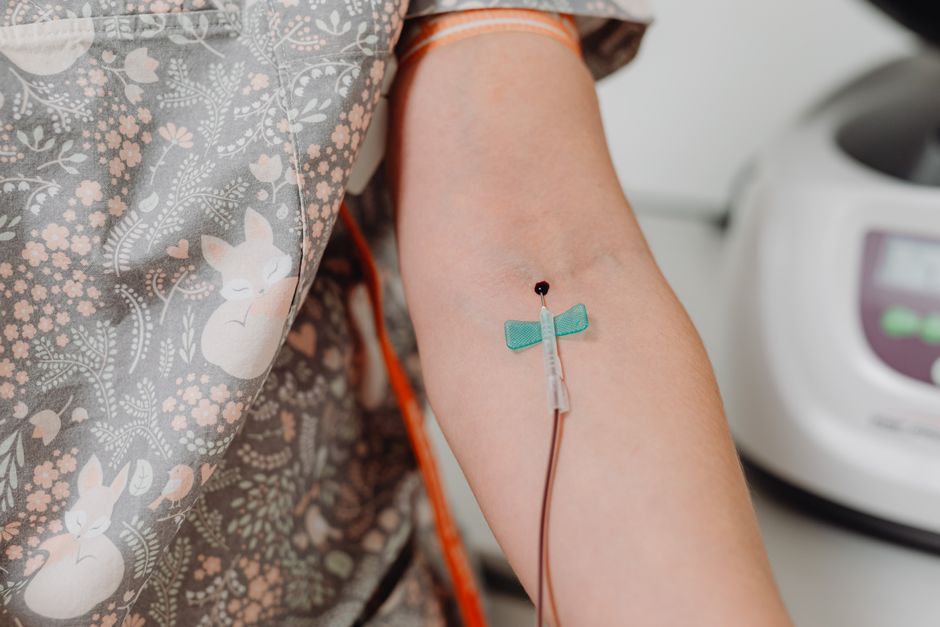
If you are a candidate, the next step is T cell collection, called leukapheresis. Blood is drawn, the T cells are separated out, and the rest of the blood is returned to your body. The collected cells are sent to a laboratory, where they are genetically modified to target a specific protein on cancer cells. This manufacturing process takes several weeks.
Before the modified cells are infused, you typically receive a short course of chemotherapy. This is called lymphodepletion. It prepares your body to accept the new cells. The infusion itself is relatively brief, but the monitoring period that follows is intensive. Patients are usually monitored closely for at least a week, and often longer, for signs of CRS and neurologic effects.
Follow-up care continues for months. Some patients need to stay near the treatment center during the early recovery period. Your care team will explain the specific timeline for your situation.
Does Insurance Cover CAR T Cell Therapy?
Medicare and many private insurers cover FDA-approved CAR T cell therapies for approved indications. Coverage is not universal, and the therapy is expensive. Out-of-pocket costs vary widely depending on insurance type, the specific product, and the center’s billing practices.
Some centers have financial counselors who help patients understand costs and explore assistance programs. Manufacturer patient assistance programs and nonprofit organizations may offer support. It is worth asking about these options early in the process.
Travel and lodging costs are often not covered by insurance. Since many patients must travel to a certified center, these expenses can add up. Some organizations provide grants or discounted housing near major treatment centers.
Are There Clinical Trials for CAR T Cell Therapy Near You?
Clinical trials are another route to CAR T therapy, particularly for cancers not yet covered by FDA approval or for patients who do not qualify for approved products. Trials are run at many of the same academic centers that offer approved CAR T therapies, as well as some additional sites.
ClinicalTrials.gov is a government database where you can search for recruiting trials by cancer type and location. Your oncology team can help you evaluate whether a trial is appropriate. Keep in mind that trial participation involves its own eligibility criteria and risks, and not every trial leads to access to an effective treatment.
Some trials are testing CAR T therapy for solid tumors, earlier lines of treatment, and new targets. These are experimental. No clinical evidence currently confirms that these approaches are effective for those uses.
What If There Is No Center Near You?
Many patients travel for CAR T therapy. Some centers help coordinate travel and lodging. In some cases, a local oncologist can share care with the treatment center, handling some monitoring and follow-up closer to home.
Telehealth can play a role in initial consultations and some follow-up visits, but the therapy itself and the critical monitoring period require in-person care at the certified center. There is no way to receive CAR T therapy remotely.
If travel is a significant barrier, talk with your oncology team about all options. They may know of assistance programs, or they may help you weigh whether CAR T therapy is the right choice given your circumstances.
Frequently Asked Questions
How do I find a CAR T cell therapy center near me?
Search the FACT accreditation directory or ask your oncologist for a referral to a certified center. Each CAR T product manufacturer also maintains a list of certified treatment sites.
Is CAR T cell therapy available at community hospitals?
No, CAR T therapy is limited to specialized centers that meet certification requirements for safety and monitoring. Most are academic medical centers or large cancer institutes.
Does Medicare cover CAR T cell therapy?
Medicare covers FDA-approved CAR T therapies for approved indications, though coverage details and costs vary. Check with the treatment center’s financial counselor about your specific situation.
Can I get CAR T cell therapy for solid tumors like breast or lung cancer?
No, CAR T therapy is not FDA-approved for any solid tumor. Research is ongoing, but no solid tumor CAR T product has received approval.
