
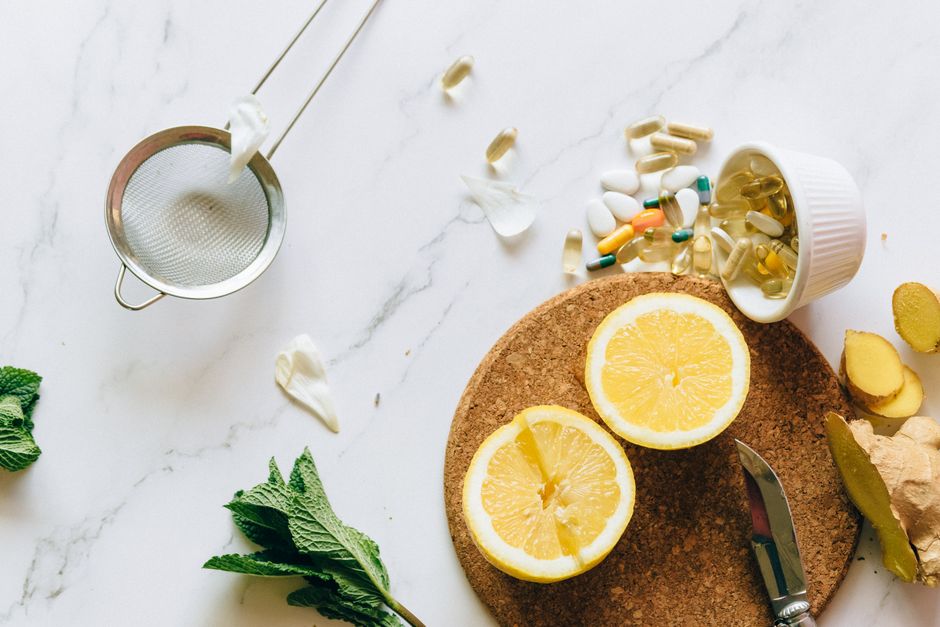
Vitamin D in supplements comes from one of two sources: lanolin from sheep’s wool, or lichen, a slow-growing organism made of algae and fungi. Both start as a compound called 7-dehydrocholesterol, which is chemically converted into vitamin D3 through a process that mimics what happens in your skin when sunlight hits it. A third form, vitamin D2, comes from yeast or mushrooms exposed to ultraviolet light.
The two forms are not identical. D3 is the type your body makes naturally, and most research suggests it raises blood levels of vitamin D more effectively than D2. That difference matters when you are reading a label and trying to decide what you are actually buying.
Where Does Vitamin D In Supplements Come From?
Almost all vitamin D3 on the market traces back to lanolin. Lanolin is the waxy substance that coats sheep’s wool to keep the animal dry and protected. Wool producers already collect it as a byproduct when they process fleece, which is one reason it became the dominant raw material for supplement manufacturing.
The process works like this. Lanolin contains 7-dehydrocholesterol. Manufacturers extract that compound, dissolve it in a solvent, and expose it to ultraviolet light. The UV energy breaks and rearranges the molecule into vitamin D3, also called cholecalciferol. From there it is purified, sometimes diluted in a carrier oil, and poured into capsules or softgels.
This is not a new or controversial method. It has been used for decades, and the resulting molecule is chemically identical to the vitamin D3 your skin produces when UVB rays from the sun convert the same starting compound. Your body cannot tell the difference between D3 from wool and D3 from sunshine.
Vitamin D2, or ergocalciferol, follows a different path. It comes from ergosterol, a compound found in the cell walls of yeast and fungi. When ergosterol is exposed to UV light, it becomes vitamin D2. This is the form used in many prescription-strength vitamin D products and in some fortified foods.
What Is Lichen-Based Vitamin D3?
Lichen-based vitamin D3 is the vegan alternative to lanolin. Lichen is a composite organism — a partnership between a fungus and an alga or cyanobacterium. Some lichen species naturally contain ergosterol, and under UV light that ergosterol converts to vitamin D3 rather than D2. The reason is that lichen can perform the same conversion step that happens in animal tissue.
Manufacturers grow or harvest lichen, expose it to controlled ultraviolet light, then extract and purify the resulting vitamin D3. The final molecule is the same cholecalciferol found in lanolin-based products. The difference is the starting material, not the end product.
Lichen-based D3 costs more to produce, which is why it usually appears in premium or vegan-labeled supplements. If you follow a strict vegan diet or have concerns about animal-derived ingredients, this is the form to look for. The label will usually say “vegan vitamin D3” or “from lichen.”
Is Vitamin D3 Always From Animal Sources?
No, but the majority of it is. Lanolin remains the cheapest and most abundant source, so most drugstore vitamin D3 comes from sheep’s wool. Lichen-derived D3 exists but represents a smaller share of the market.
Vitamin D2 is always non-animal. It comes from yeast or from mushrooms exposed to UV light, which makes it a common choice in vegan products. The tradeoff is that D2 may not raise blood levels as efficiently as D3. Some research suggests D3 raises and maintains circulating vitamin D more effectively, though the two forms are both used clinically and both can correct a deficiency.
Here is a point that surprises many people. Lanolin-based D3 is not technically an animal tissue product. It is a wax secreted by the skin of sheep, collected from wool. Some vegetarians accept it; strict vegans typically do not. That distinction is a personal and ethical one, not a nutritional one, because the vitamin D molecule itself is identical either way.

How Do I Know What Is In My Supplement?
The ingredient list is your best tool. Look for the specific form on the label.
- Cholecalciferol — this is vitamin D3. It may be from lanolin or lichen.
- Ergocalciferol — this is vitamin D2, from yeast or mushrooms.
- “From lichen” or “vegan D3” — confirms a plant-based D3 source.
- “From lanolin” — confirms the sheep’s wool source, though many labels omit this detail.
If the source is not stated and it matters to you, contact the manufacturer directly. Supplement labels are not required to disclose the raw material source in every case, only the form of vitamin D and the amount per serving.
Does The Source Change How Well It Works?
The source of D3 does not change how well it works. Lanolin-derived and lichen-derived D3 are the same molecule. Once absorbed, your body processes them identically.
What does differ is D2 versus D3. Research generally indicates that D3 raises blood levels of 25-hydroxyvitamin D — the standard marker doctors measure — more effectively than D2, and maintains those levels longer. This is why many clinicians prefer D3 for correcting deficiency. That said, D2 is still used and can be effective, particularly in prescription form.
The bigger variables are dose, how consistently you take it, and whether you take it with fat. Vitamin D is fat-soluble, so absorbing it is easier when you take it with a meal that contains some fat. That applies to every source.
| Form | Common Source | Notes |
|---|---|---|
| Vitamin D3 (cholecalciferol) | Lanolin from sheep’s wool | Most common; same molecule your skin makes |
| Vitamin D3 (cholecalciferol) | Lichen | Vegan; chemically identical to lanolin D3 |
| Vitamin D2 (ergocalciferol) | Yeast, UV-exposed mushrooms | Always plant-based; may raise blood levels less efficiently than D3 |
Why Does Any Of This Matter?
For most people, it does not change much. If you just need vitamin D and you are not vegan, a standard D3 capsule works fine regardless of whether it started as wool or lichen.
It matters for three groups. Vegans and strict vegetarians want to avoid animal-derived ingredients, and lichen D3 solves that. People with wool or lanolin sensitivities may prefer a non-lanolin source, though reactions to the tiny amounts in supplements are uncommon. And anyone comparing products on a shelf benefits from knowing that “vitamin D3” on a label does not tell you the origin — only the form.
There is also a labeling reality worth understanding. Because the final molecule is identical, a supplement can say “vitamin D3” without disclosing whether it came from a sheep or a lichen. If the source is important to you, look for explicit wording or ask the company. Absence of a source claim usually means lanolin, since it is the default.
Frequently Asked Questions
Is vitamin D3 from sheep’s wool safe?
Yes, lanolin-derived vitamin D3 has been used in supplements for decades and the final molecule is identical to the vitamin D3 your skin produces. The wool source does not make the vitamin itself animal tissue.
What is the difference between vitamin D2 and D3?
D3 comes from lanolin or lichen, while D2 comes from yeast or UV-exposed mushrooms. Research generally indicates D3 raises blood levels of vitamin D more effectively than D2.
Is lichen vitamin D3 the same as regular vitamin D3?
Yes, lichen-derived D3 is the same cholecalciferol molecule as lanolin-derived D3. The only difference is the starting material, not the vitamin your body receives.
How can I tell if my vitamin D supplement is vegan?
Look for “vegan D3,” “from lichen,” or vitamin D2 on the label. If the source is not stated, contact the manufacturer, since many products use lanolin without naming it.
