
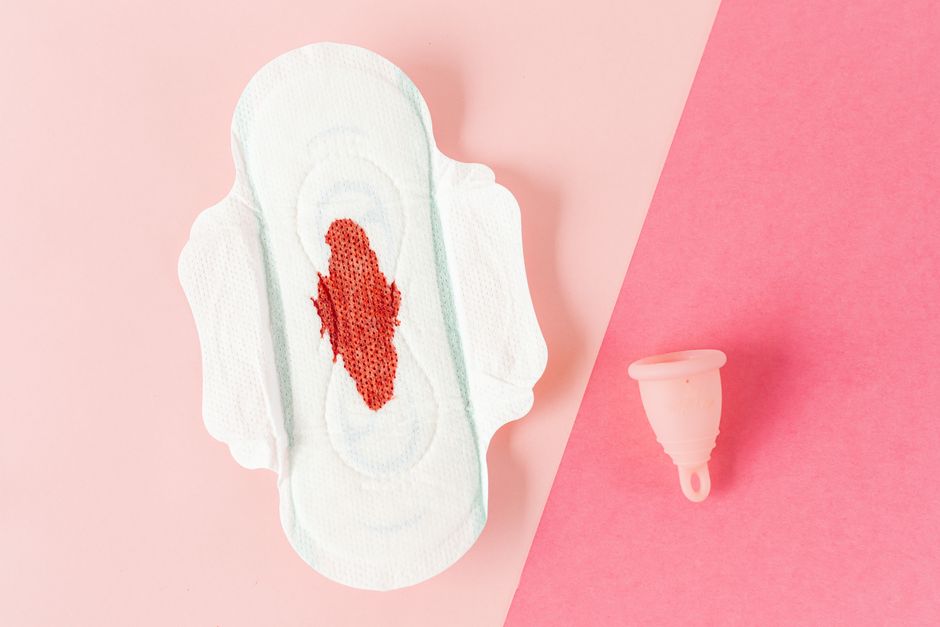
Many people wonder where period blood goes when they have an intrauterine device (IUD). The short answer is that it doesn’t go anywhere unusual. The blood still leaves your body through your vagina, just like it always has. The real change is that many people with IUDs simply have much lighter periods, or no period at all, so there is less blood to begin with. This is a normal effect of the hormones in some IUDs, not a sign that blood is trapped inside you.
How an IUD Changes Your Menstrual Cycle
To understand where the blood goes, you first need to know why there is less of it. Your menstrual cycle involves the lining of your uterus, called the endometrium. Each month, this lining thickens to prepare for a possible pregnancy. If pregnancy does not happen, the lining sheds, and that tissue and blood leave your body as your period.
Hormonal IUDs release a progestin called levonorgestrel. This hormone thickens the cervical mucus and thins the uterine lining. When the lining stays thin, there is very little tissue to shed. Many people experience spotting or light bleeding instead of a full flow. Some people stop having periods entirely while the IUD is in place.
This thinning of the lining is not dangerous. It does not mean blood is pooling inside your abdomen or getting backed up. The small amount of blood that does form still exits through the cervix and vagina. The process is the same as a normal period, just with a much smaller volume.
What About the Copper IUD?
The copper IUD, sold under the brand name ParaGard, does not contain hormones. It works by creating an inflammatory response in the uterus that is toxic to sperm. Because there are no hormones to thin the uterine lining, your period continues on its normal schedule.
In fact, research consistently shows that people with copper IUDs often have heavier periods and more cramping, especially in the first several months after insertion. This is a known side effect. The blood flow is normal in direction — it still leaves through the vagina — but the volume may be greater than what you experienced before insertion.
If you have a copper IUD and your periods become extremely heavy or last much longer than usual, talk to your clinician. Heavy bleeding can sometimes indicate the IUD has shifted or another issue is present.
Can Blood Get Trapped Inside With an IUD?
No. There is no anatomical way for menstrual blood to become trapped simply because an IUD is present. The IUD sits inside the uterine cavity. It has strings that extend through the cervix into the upper vagina. The cervix is not a one-way valve. Blood can flow around the IUD and out through the cervical opening without obstruction.
However, there is a rare condition called hematometra, where blood collects inside the uterine cavity because the cervix is blocked. This is not caused by the IUD itself. It can happen if scar tissue narrows the cervix or if the cervical opening is otherwise obstructed. Symptoms include severe pelvic pain, a feeling of fullness, and an absence of expected bleeding. If you experience these symptoms, seek medical attention promptly.
It is also worth clarifying a common myth. Some people worry the IUD strings act like a plug. They do not. The strings are thin, soft threads. They do not block the cervix or prevent blood from passing.





Why Some People Stop Bleeding Entirely
For about 1 in 5 people with a hormonal IUD, periods stop completely after the first year of use. This is called amenorrhea. It happens because the progestin keeps the uterine lining so thin that there is nothing to shed.
This is considered a health benefit, not a problem. The absence of bleeding does not mean blood is accumulating somewhere. It means the lining is not building up. Once the IUD is removed, the lining resumes its normal cycle, and periods typically return within a few months.
Some people worry that not having a period means their body is not “cleansing” itself. This is not accurate. Menstrual bleeding is not a detox process. It is simply the shedding of a uterine lining that was not needed for pregnancy. When that lining does not grow, there is no need for it to shed.
What to Expect in the First Few Months
The first 3 to 6 months after getting a hormonal IUD can be unpredictable. Spotting between periods is common. Some days you may see light brown discharge, which is just older blood leaving the body slowly. This is normal and does not indicate a problem.
Your period pattern may change month to month during this adjustment period. One month you might have a light flow. The next month you might only spot. Over time, bleeding typically becomes lighter and less frequent. By the end of the first year, most people have very light periods or none at all.
If you experience sudden heavy bleeding, severe pain, or a foul-smelling discharge at any point, contact your clinician. These symptoms are not typical IUD effects and should be evaluated.
Does an IUD Affect Fertility or Future Periods?
No. IUDs do not cause permanent changes to your menstrual cycle or your fertility. Once the device is removed, hormone levels return to normal quickly. Most people ovulate within the first month after removal, and periods resume their pre-IUD pattern.
Some people worry that years of suppressed periods could delay the return of a regular cycle. Research does not support this concern. Studies consistently show that fertility returns promptly after IUD removal, regardless of how long the device was in place.
The copper IUD does not suppress ovulation or thin the lining at all. Your cycle continues exactly as it would without the device. Removal simply restores your baseline fertility.
When to See a Doctor
Most bleeding changes with an IUD are normal. But certain symptoms warrant a medical evaluation. Contact your clinician if you experience any of the following:
- Bleeding that is much heavier than your normal period, especially with a copper IUD
- Bleeding that lasts more than 7 days after the initial adjustment period
- Severe pelvic or abdominal pain
- Foul-smelling vaginal discharge
- Missed periods followed by a positive pregnancy test
- Inability to feel the IUD strings during your monthly self-check
These symptoms do not automatically mean something is wrong. But they deserve a professional evaluation to rule out infection, expulsion, or perforation. These complications are rare but can occur.
Frequently Asked Questions
Can my IUD cause blood to go into my stomach?
No. There is no connection between your uterus and your abdominal cavity that would allow menstrual blood to travel there. Blood always exits through the cervix and vagina.
Why do I only see spotting instead of a full period with my IUD?
Hormonal IUDs thin the uterine lining, so there is less tissue to shed. Spotting is the result of that thinner lining, and it is a normal and expected effect.
Is it safe to not have a period at all with an IUD?
Yes. Not having a period with a hormonal IUD is safe. It simply means the uterine lining is not building up each month, so there is nothing to shed.
Will my periods go back to normal after IUD removal?
Yes. Periods typically return to your pre-IUD pattern within a few months of removal. Hormonal IUDs do not cause permanent changes to your cycle.
