
Iron in food comes from two places: animal tissues and plants. The human body cannot make iron on its own, so every bit of it must come from what you eat, drink, or absorb from stores your body built earlier. Once iron enters the digestive tract, it is absorbed mainly in the small intestine, and how much gets through depends on the type of iron, what else is in the meal, and how much iron your body currently needs.
Where Does Iron Come From In Food And How Is It Absorbed?
Iron enters the diet in two chemical forms, and the body handles them very differently. Understanding that split explains most of what people get wrong about iron.
Heme iron: from animal tissues
Heme iron is found in hemoglobin and myoglobin — the oxygen-carrying proteins in blood and muscle. That means red meat, poultry, and fish are the main sources. Organ meats such as liver are especially concentrated. Heme iron is absorbed efficiently, and its absorption is less affected by other foods in the same meal.
Non-heme iron: from plants and fortified foods
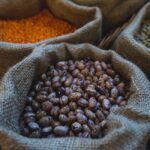
Non-heme iron comes from plant sources and from iron added to fortified foods. It is the form found in beans, lentils, spinach, tofu, fortified cereals, and many grains. Non-heme iron is absorbed less efficiently than heme iron, and its absorption is strongly influenced by what else is eaten at the same time.
The small intestine is where absorption happens. Cells lining the upper small intestine — the duodenum and the first part of the jejunum — take up iron from the digested food. This is the body’s main control point. There is no active mechanism to excrete excess iron, so regulation happens almost entirely at the point of absorption.
How Does The Body Control How Much Iron It Absorbs?
The body adjusts iron absorption based on need, not based on how much iron is in the meal alone. This is the single most important fact about iron biology.
When iron stores are low, the intestine increases absorption. When stores are full, absorption drops. A hormone called hepcidin, made in the liver, is central to this. Hepcidin rises when the body has enough iron and blocks iron from leaving intestinal cells into the bloodstream. When iron is needed, hepcidin falls and more iron gets through.
This means two people can eat the same meal and absorb very different amounts of iron. A person with low iron stores may absorb several times more than someone with adequate stores. The body is not passively taking in whatever is in the food — it is actively deciding.
Certain states change this set point. Inflammation and infection raise hepcidin, which reduces iron absorption even when stores are low. This is one reason iron deficiency can develop or persist during chronic inflammatory conditions, and why iron status is often assessed alongside markers of inflammation.
Which Foods Are Highest In Iron?
Animal sources deliver heme iron, while plant and fortified sources deliver non-heme iron. Both count, but they are not interchangeable in how well they are absorbed.
| Food | Type of iron | Notes |
|---|---|---|
| Beef, lamb, liver, poultry (dark meat) | Heme + non-heme | Heme iron is well absorbed |
| Fish and shellfish | Heme + non-heme | Oysters and clams are notably high |
| Lentils, chickpeas, beans | Non-heme | Absorption improved by vitamin C |
| Tofu and soy products | Non-heme | Contain compounds that can reduce absorption |
| Spinach and dark leafy greens | Non-heme | Also contain oxalates that bind iron |
| Fortified cereals and breads | Non-heme (added) | Amounts vary widely by product |
For exact iron content per serving, the USDA FoodData Central database is the standard reference. Values vary by cut, preparation, and brand, so numbers on a label or database entry are more reliable than general rules of thumb.
What Helps And What Blocks Iron Absorption?
Because non-heme iron absorption is so sensitive to meal composition, the foods eaten alongside it matter. This is where most practical confusion lives.
Things that increase absorption:
- Vitamin C — ascorbic acid strongly enhances non-heme iron absorption when eaten in the same meal.
- Meat, poultry, and fish — these contain a factor that improves non-heme iron uptake, separate from their own heme iron.
- Low iron stores — the body’s own signal to absorb more.
Things that reduce absorption:
- Phytates — found in whole grains, legumes, and nuts. They bind iron and reduce uptake.
- Polyphenols — found in tea, coffee, and some vegetables. Drinking tea or coffee with a meal reduces non-heme iron absorption.
- Calcium — reduces absorption of both heme and non-heme iron when taken in the same meal.
- Oxalates — found in spinach and some other greens.
A useful, non-obvious point: these inhibitors mostly affect non-heme iron. Heme iron from meat is far less affected by tea, coffee, or phytates. So a plate of lentils and a cup of tea is a very different absorption scenario than a steak and a cup of tea.
Timing matters too. Spacing tea, coffee, or calcium supplements away from iron-rich meals is a common practical step. This is widely recommended in clinical settings, though the size of the effect varies between people.
Who Is Most At Risk Of Low Iron?
Iron needs are not the same across all people, and some groups are more likely to run low.
Menstruating women lose iron through blood each month, which raises their requirement compared with men. Pregnancy increases iron needs substantially because the body is building the fetus’s blood supply and expanding its own. Infants and young children have high iron needs relative to their size. People who follow vegetarian or vegan diets rely entirely on non-heme iron, which is less efficiently absorbed, so their intake needs to be higher or better paired with absorption enhancers. Regular blood donors and people with conditions that cause chronic blood loss also lose iron over time.
Iron deficiency is common worldwide and remains one of the most frequent nutritional deficiencies. Symptoms can include fatigue, weakness, pale skin, shortness of breath on exertion, and difficulty concentrating. These symptoms are not specific to iron — many conditions cause them — so they cannot confirm iron deficiency on their own. Diagnosis relies on blood tests, typically including hemoglobin, ferritin, and sometimes other markers.
Low iron and iron deficiency anemia are not the same thing. Iron deficiency means stores are depleted. Anemia means hemoglobin has dropped below the reference range. A person can have low iron stores without anemia, and that stage can still cause symptoms.
Does Iron Supplementation Work The Same Way?
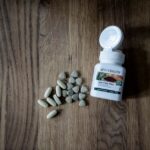
Iron supplements deliver iron that is absorbed through the same intestinal pathways, but they bypass food-based absorption factors. That makes them more predictable in dose but also easier to overdo.
Supplement absorption is still governed by hepcidin and by current iron status. Someone with low stores absorbs a larger fraction of a supplement dose than someone with normal stores. This is why supplement dosing and monitoring are usually guided by blood tests rather than taken blindly.
Iron supplements can cause gastrointestinal side effects, including constipation, nausea, and dark stools. Taking them with food can reduce side effects but also reduces absorption. Some clinicians recommend taking iron on an empty stomach when tolerated, and separating it from calcium, tea, and coffee. This is common practice; individual tolerance and clinical guidance should shape the approach.
Iron is not a supplement to take casually. Excess iron can be harmful, and in people with certain conditions — such as hereditary hemochromatosis, where the body absorbs too much iron — supplementation can cause serious harm. Anyone considering iron supplements should have iron status checked first, and should follow the dosing their clinician recommends rather than a general rule.
Why The Same Food Affects People Differently
Two people can eat identical meals and end up with different iron status. The reasons are physiological, not a matter of willpower.
Genetics influence how efficiently iron is absorbed and transported. Menstrual blood loss varies widely between women. Gut health affects absorption capacity. Inflammation raises hepcidin and blocks iron uptake. Medications that reduce stomach acid — including common acid reducers — can reduce iron absorption, because stomach acid helps release iron from food and keeps it in a form the intestine can take up.
This variability is why general advice about “iron-rich foods” only goes so far. The food matters, but so does the body doing the absorbing.
Frequently Asked Questions
What food is highest in iron?
Organ meats such as liver and red meats like beef are among the richest sources, largely because they contain heme iron. Shellfish such as oysters and clams are also very high.
Does vitamin C really help absorb iron?
Yes. Vitamin C eaten in the same meal increases absorption of non-heme iron from plant foods, and this effect is well established. Pairing citrus, peppers, or tomatoes with beans or greens is a practical way to use it.
Does coffee or tea block iron absorption?
Both contain polyphenols that reduce non-heme iron absorption when consumed with a meal. The effect is mainly on plant-based iron, not heme iron from meat.
How long does it take to fix low iron?
Timelines vary with the cause, the treatment, and the person, so no single number applies. Replenishing stores typically takes longer than correcting hemoglobin, and progress is usually tracked with blood tests.
