
Carbohydrate digestion starts in your mouth, not your stomach. The moment you take a bite and begin chewing, an enzyme in your saliva called salivary amylase starts breaking down starches into simpler sugars. This is the first and only place where carb digestion begins before food reaches your stomach. The process continues in the small intestine, where the bulk of carb breakdown actually happens, but the starting point is unambiguously the mouth.
What Happens in Your Mouth During Carb Digestion?
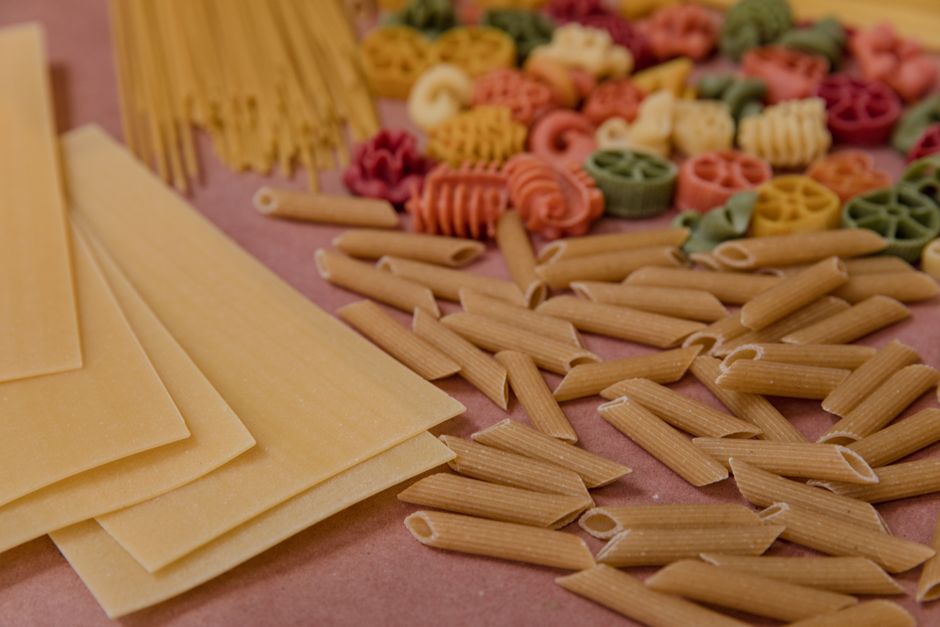
Your saliva contains more than just water. It carries an enzyme called salivary amylase, also known as ptyalin. This enzyme targets starch — the long chains of glucose found in foods like bread, rice, pasta, and potatoes.
Chewing does two things at once. It physically breaks food into smaller pieces, increasing the surface area for enzymes to work. At the same time, salivary amylase begins chemically splitting the starch molecules into shorter chains and maltose, a two-glucose sugar.
The longer you chew, the more time amylase has to work. This is why thoroughly chewing starchy foods can make them taste slightly sweeter over time. That sweetness is not imaginary — it is the starch converting into sugar right in your mouth.
One important detail: salivary amylase only works in a neutral or slightly acidic environment. Your stomach is highly acidic, and that acidity stops salivary amylase in its tracks. This is why the mouth is the true start of carb digestion, but not the main site of it.
Does Carb Digestion Continue in the Stomach?
Mostly no, but with one small exception. The stomach’s main job is mixing food with acid and enzymes that break down protein, not carbohydrates. The strong acid environment quickly inactivates salivary amylase.
However, food does not empty from the stomach all at once. It leaves in small batches. Some starch in the center of a food mass may be temporarily protected from stomach acid, allowing salivary amylase to keep working for a short while. But this effect is minor and short-lived.
For practical purposes, carb digestion pauses in the stomach. The real work resumes in the small intestine, where conditions are once again favorable for enzymes to function.
Where Does the Major Breakdown of Carbs Actually Happen?
The small intestine is where most carbohydrate digestion takes place. When the partially digested food leaves the stomach, it enters the duodenum, the first section of the small intestine.
Here, the pancreas releases pancreatic amylase into the intestine. This enzyme continues the job that salivary amylase started, breaking remaining starch into maltose and other short sugar chains.
But the story does not end there. The lining of the small intestine produces additional enzymes called brush border enzymes. These include maltase, sucrase, and lactase. Each one targets a specific sugar:
- Maltase breaks maltose into two glucose molecules.
- Sucrase splits sucrose (table sugar) into glucose and fructose.
- Lactase breaks lactose (milk sugar) into glucose and galactose.
Only after these final steps are carbohydrates reduced to single sugar molecules — mostly glucose — can they be absorbed through the intestinal wall and into your bloodstream. This entire process in the small intestine is fast and efficient, which is why it carries the bulk of the digestive workload.


What About Fiber and Resistant Starch?
Not all carbohydrates are digested the same way. Fiber is a type of carbohydrate that human enzymes cannot break down. Your body lacks the enzymes needed to split fiber’s bonds, so it passes through the mouth, stomach, and small intestine largely unchanged.
Fiber reaches the large intestine, or colon, where gut bacteria ferment some of it. This fermentation produces short-chain fatty acids that serve as fuel for colon cells and may offer other health benefits.
Resistant starch behaves similarly. It is starch that escapes digestion in the small intestine, either because of its structure or because it was cooked and then cooled — think of cold potatoes or pasta in a salad. Like fiber, resistant starch becomes food for gut bacteria.
This distinction matters for blood sugar. Digestible carbs raise blood glucose quickly. Fiber and resistant starch do not, because they are not absorbed in the small intestine.
Why Does the Starting Point Matter for Blood Sugar?
Understanding where carb digestion begins helps explain why some foods affect blood sugar faster than others. Foods that are easily chewed and quickly broken down release glucose into the bloodstream rapidly. Foods with more fiber or resistant starch slow this process down.
Your chewing habits also play a role. Eating quickly with minimal chewing means less salivary amylase action in the mouth. Some research suggests this can lead to faster stomach emptying and a quicker rise in blood sugar, though the overall effect is modest compared to the work done in the small intestine.
The glycemic index, a ranking of how quickly foods raise blood sugar, reflects these differences. A food’s physical structure, fiber content, and how it is cooked all influence how fast its carbs become available for absorption.
Can Anything Disrupt Carb Digestion?
Yes, several conditions can interfere with the process. Lactose intolerance is the most common example. When the body produces too little lactase, lactose from dairy products remains undigested in the intestine. Gut bacteria then ferment it, causing bloating, gas, and diarrhea.
Pancreatic insufficiency is a more serious condition. If the pancreas does not produce enough amylase, starch digestion is incomplete. This can occur in conditions like chronic pancreatitis or cystic fibrosis.
Some medications also affect carb digestion. Certain diabetes drugs, such as acarbose, work by blocking alpha-glucosidase enzymes in the small intestine. This delays carb breakdown and slows glucose absorption, helping control post-meal blood sugar spikes.
These examples show that carb digestion is not a single event. It is a coordinated process involving enzymes from three different sources: saliva, the pancreas, and the intestinal lining.
Does How You Eat Change Carb Digestion?
Food preparation matters as much as chewing. Cooking gelatinizes starch, making it easier for enzymes to access and break down. This is why cooked carrots or potatoes raise blood sugar more than raw ones.
Cooling cooked starchy foods changes their structure again. Some of the starch retrogrades into a form that resists digestion, effectively becoming resistant starch. Reheating does not fully reverse this change.
Eating order also has an effect. Some studies suggest that eating protein, fat, or vegetables before carbohydrates can slow stomach emptying and reduce the post-meal blood sugar rise. The evidence for this is promising but not definitive, and results vary from person to person.
None of these strategies replaces the fundamental biology: carbs begin breaking down in the mouth, pause in the stomach, and finish in the small intestine.
Frequently Asked Questions
Does carbohydrate digestion begin in the stomach?
No. Carbohydrate digestion begins in the mouth with salivary amylase. The stomach’s acidic environment stops this enzyme from working, and significant carb digestion does not resume until food reaches the small intestine.
What enzyme starts carbohydrate digestion?
Salivary amylase, also called ptyalin, is the enzyme that starts carbohydrate digestion in the mouth. It breaks down starch into smaller sugar chains before stomach acid inactivates it.
Where are most carbohydrates digested and absorbed?
Most carbohydrate digestion and nearly all absorption happens in the small intestine. Pancreatic amylase and brush border enzymes finish breaking carbs into single sugars, which then enter the bloodstream.
Why do starchy foods taste sweeter when chewed longer?
Salivary amylase breaks starch down into maltose and other sugars as you chew. The longer you chew, the more sugar is produced, which your taste buds detect as sweetness.
