
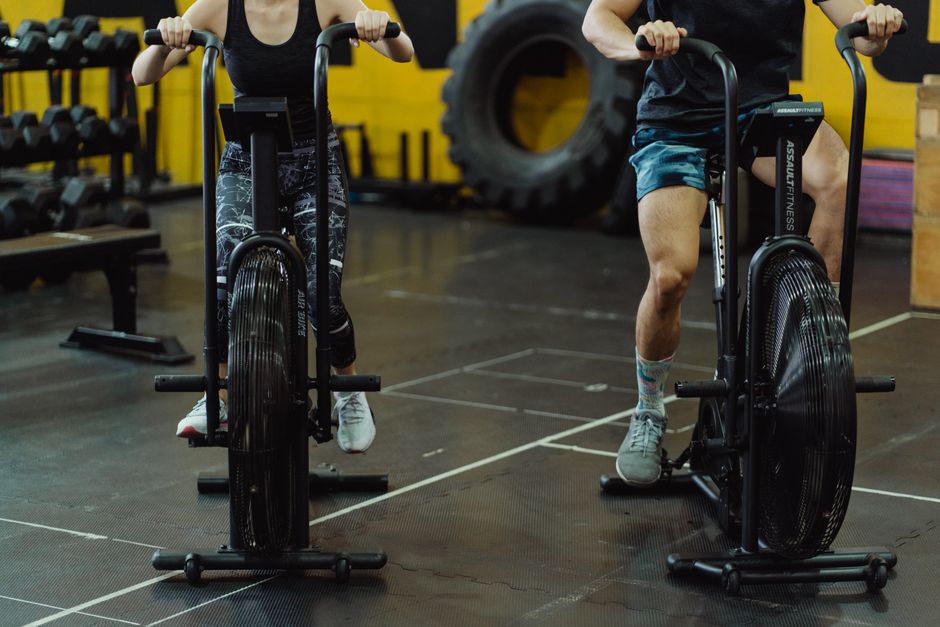
Cycling burns fat from your entire body, not from your legs alone. Fat is stored as triglycerides inside fat cells throughout the body, and when you ride, hormones signal those cells to release fat into the bloodstream. Your working muscles then pull fat and glucose from that shared blood supply and burn them for fuel. You cannot direct fat loss to a specific area by exercising the muscle underneath it. Spot reduction is not how human metabolism works.
Where Does Cycling Burn Fat On Your Body?
Fat loss from cycling is whole-body fat loss. When you burn more energy than you take in over time, your body draws on fat stores from everywhere — abdomen, hips, thighs, chest, arms, face, and the fat stored inside muscle tissue. Your legs are doing the work, but they are not the only place the fat comes from.
The reason is simple. Fat cells release fatty acids into the bloodstream when hormones like adrenaline and insulin shift. Once those fatty acids are circulating, any muscle that needs fuel can use them. Your quadriceps and glutes need the most fuel during a ride, so they take up a large share of what is available. But the fat itself may have come from your belly, your back, or your upper arms.
This is where a common belief falls apart. Many people assume that because cycling builds leg muscle, it must melt fat off the legs first. That is not what happens. Where you lose fat is driven mainly by genetics, sex, age, and overall energy balance — not by which muscle you happen to be using.
Why You Cannot Choose Where Fat Comes Off
Spot reduction does not work. This is one of the most studied questions in exercise science, and the results have been consistent for decades.
Researchers have tested this directly. In one well-known line of studies, participants trained only one arm or one leg for weeks. When researchers measured fat around the trained limb versus the untrained limb, they found no meaningful difference in fat loss between them. The body did not preferentially strip fat from the area being exercised.
Your body stores and releases fat according to a pattern set largely by your biology. Two people doing the exact same cycling program can lose fat from completely different places. One may notice it first in the face and waist. Another may notice it in the hips and thighs. Neither is doing anything wrong.
Hormones also shape this pattern. Estrogen tends to favor fat storage around the hips and thighs, while testosterone tends to favor the abdomen. As hormone levels change with age, where fat is stored and where it comes off first can shift too.
What Cycling Actually Does in Your Body
Cycling is an aerobic exercise, and aerobic exercise changes how your body uses fuel. During a ride, your muscles burn a mix of fat and carbohydrate. The harder you go, the more carbohydrate you use. At easier, steady efforts, fat supplies a larger share of the energy.
This matters, but not in the way many people think. Burning a higher percentage of fat during a workout does not automatically mean you lose more body fat over the week. What drives fat loss is the total energy deficit you create across days and weeks, not the fuel mix in any single session.
Two things happen when you ride regularly:
- You expend energy, which helps create a calorie deficit if your food intake stays steady.
- You build and maintain muscle in the legs and hips, and muscle tissue burns energy even at rest.
That second point is often overstated. The effect is real but modest. Muscle does raise resting energy use, but the size of the effect is smaller than most fitness marketing suggests. The bigger lever by far is still the energy you burn while riding and the food you eat.
There is a useful clarification here. Cycling is often called a “fat-burning” workout because fat fuels a good portion of easy rides. That is a description of the fuel source during exercise, not a promise about where or how fast you lose fat. Those are different claims, and they get blurred constantly.
Does Cycling Burn Belly Fat Specifically?
Cycling can help reduce belly fat, but not because it targets the belly. It helps because aerobic exercise creates an energy deficit and because visceral fat — the fat stored deep around the organs — tends to respond well to regular aerobic activity.
Visceral fat is the fat most linked to health risks like heart disease and type 2 diabetes. Research on aerobic exercise has fairly consistently shown reductions in visceral fat with regular training, even when total weight loss is modest. This is one of the more reliable findings in exercise science.
But the fat that comes off your midsection is coming off because your whole body is drawing down its stores — not because your legs are pedaling. If your body prefers to release fat from your arms first, that is what it will do, no matter how many miles you ride.
What Determines How Much Fat You Lose
Total fat loss depends on a small set of factors, and cycling is only one of them.
- Energy balance. You lose fat when you consistently burn more than you eat. This is the dominant factor.
- Duration and frequency. Longer and more frequent rides generally burn more energy than short occasional ones.
- Intensity. Harder efforts burn more calories per minute, but they are harder to sustain.
- Diet. It is very hard to out-ride a high-calorie diet. Food intake usually matters more than most people expect.
- Genetics and hormones. These shape where fat comes off and how quickly.
- Sleep and stress. Poor sleep and chronic stress are linked to harder fat loss, though the mechanisms are complex.
Notice that “which muscle you use” is not on the list. It does not belong there.
How to Use Cycling for Fat Loss
Cycling works best for fat loss when it is consistent and paired with sensible eating. There is no single correct program, but a few principles hold up.
Ride regularly rather than occasionally. A few sessions a week sustained over months will do more than one exhausting weekend ride. Mix easier, longer rides with some harder efforts if you want variety and fitness gains.
Do not rely on cycling alone to control your weight. Exercise and diet work together. Many people find that adding structured riding without changing food intake produces slower results than they expect, because the body partly compensates by increasing appetite and reducing spontaneous movement later in the day.
Track progress by how your clothes fit and how you feel, not only by the scale. Fat loss and weight loss are not the same thing. You can lose fat while gaining muscle, and the scale may barely move while your body composition changes.
If you have a heart condition, joint problems, or you are returning to exercise after a long break, talk to a clinician before starting a hard program. Cycling is generally low-impact, but intensity and duration should match your health and fitness.
The Bottom Line on Where Cycling Burns Fat
Cycling burns fat from your whole body. Your legs power the ride, but the fat that fuels it can come from anywhere you store it. Where it comes off first is set by your biology, not by which muscle is working.
The practical takeaway is freeing rather than frustrating. You do not need a special exercise to target a stubborn area, because no exercise can. What you need is regular activity that you will actually keep doing, plus a diet that supports a modest energy deficit. Cycling fits that role well for many people. It is easy on the joints, scalable from gentle to intense, and easy to build into a routine.
Frequently Asked Questions
Does cycling burn fat on your legs first?
No. Cycling burns fat from your whole body, and the order fat comes off is set by genetics and hormones, not by which muscles you use. Leg fat may come off early for some people and late for others.
Can cycling reduce belly fat?
Yes, regular aerobic exercise like cycling can reduce belly fat, including the deeper visceral fat linked to health risks. It works through overall energy balance, not by targeting the belly directly.
How long do you need to cycle to lose fat?
There is no set timeline, because fat loss depends on your total energy balance, diet, and consistency over weeks and months. Regular riding combined with sensible eating is what drives results, not any single session length.
Is cycling better than walking for fat loss?
Neither is clearly better. What matters most is how much total energy you expend and how consistently you do it. Cycling generally burns more calories per minute at a comparable effort, but the best choice is the one you will keep doing.
