
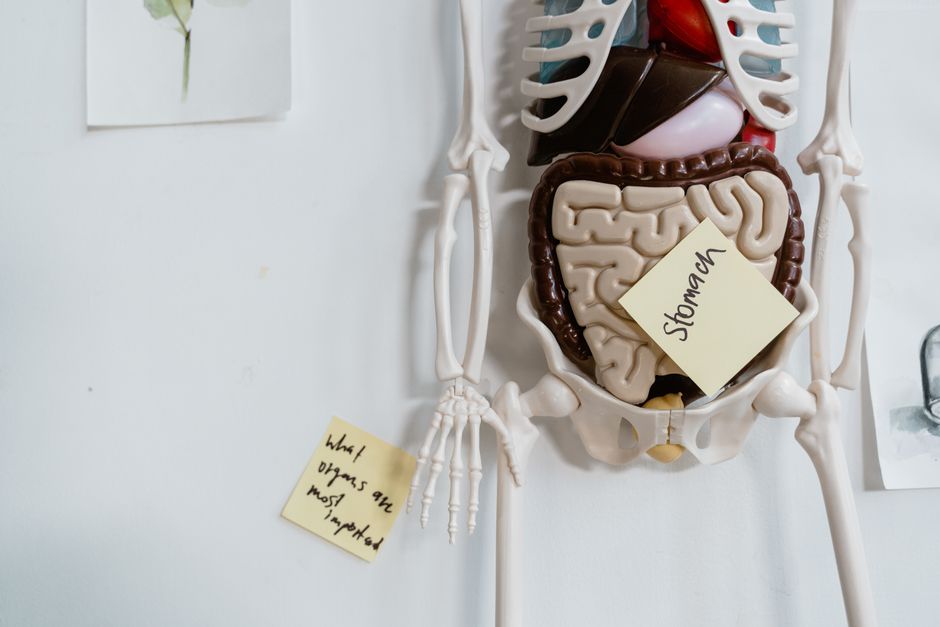
Protein digestion starts the moment food enters your mouth, but the chemical breakdown of proteins actually begins in your stomach. While chewing physically breaks food into smaller pieces, the first true chemical step happens when stomach acid and an enzyme called pepsin start working on protein strands. This is where large protein molecules begin splitting into smaller chains — a process that continues in the small intestine, where the real heavy lifting of protein digestion takes place.
Where Does Chemical Digestion of Proteins Begin?
Chemical digestion of proteins begins in the stomach. This is a fact taught in every medical textbook, and it holds up under scrutiny. The stomach produces hydrochloric acid and an enzyme called pepsinogen. When pepsinogen meets the acidic environment of the stomach, it converts into pepsin — the active enzyme that starts breaking protein bonds.
Before food reaches the stomach, the mouth does some preparation. Chewing reduces food into smaller particles, and saliva moistens everything. But saliva contains no protein-digesting enzymes. Amylase in saliva targets carbohydrates, not proteins. So while mechanical digestion starts in the mouth, chemical protein digestion does not.
Once food enters the stomach, the acidic environment — typically a pH between 1.5 and 3.5 — denatures proteins. Denaturing means the protein’s three-dimensional structure unfolds. This unfolding exposes peptide bonds that pepsin can then attack. Without this step, many proteins would pass through the digestive tract largely intact.
What Happens in the Stomach During Protein Digestion?
The stomach lining contains specialized cells that produce the components needed for protein digestion. Parietal cells secrete hydrochloric acid. Chief cells secrete pepsinogen, the inactive precursor to pepsin. The acid performs two jobs: it creates the acidic environment needed for pepsin to work, and it directly unravels protein structures.
Pepsin is a protease — an enzyme that cuts proteins at specific points. It targets peptide bonds next to certain amino acids, particularly aromatic ones like phenylalanine and tyrosine. Pepsin splits large proteins into smaller polypeptide chains and some free amino acids. But this is only partial digestion. The stomach does not complete protein breakdown; it simply prepares proteins for the next stage.
The stomach also physically churns food through muscular contractions. This mixing action ensures that digestive juices contact all food particles evenly. The result is a semi-liquid mixture called chyme that moves slowly into the small intestine.
Why the Small Intestine Matters Most for Protein Digestion
Although chemical protein digestion begins in the stomach, most protein digestion actually occurs in the small intestine. This is a distinction worth understanding. The stomach starts the process, but the small intestine finishes it.
When chyme enters the duodenum — the first part of the small intestine — it triggers the release of pancreatic enzymes. The pancreas secretes several proteases into the small intestine, including trypsin, chymotrypsin, and carboxypeptidase. These enzymes continue splitting polypeptide chains into even smaller fragments.
The intestinal wall itself also produces enzymes called peptidases. These enzymes are attached to the brush border of the intestinal lining. They perform the final cuts, breaking dipeptides and tripeptides into single amino acids. Only at this point are proteins reduced to a form the body can absorb.
This two-stage design makes biological sense. The stomach provides an acidic environment suited to pepsin. The small intestine provides a neutral-to-slightly-alkaline environment suited to pancreatic enzymes. Each enzyme works optimally in its own environment, and the body coordinates the transition carefully.


How Are Digested Proteins Absorbed?
Amino acids — the end products of protein digestion — are absorbed through the intestinal lining into the bloodstream. This absorption happens primarily in the jejunum, the middle section of the small intestine. The intestinal wall is covered with finger-like projections called villi, which greatly increase the surface area available for absorption.
Different transport systems carry different types of amino acids. Some require sodium, others do not. Some amino acids compete for the same transporters, which is one reason extremely high doses of a single amino acid supplement can interfere with absorption of others. This is a known physiological fact, though its practical significance for most people eating normal diets is minimal.
Once in the bloodstream, amino acids travel to the liver. The liver regulates their distribution to the rest of the body. Cells throughout the body use these amino acids to build new proteins — muscle tissue, enzymes, hormones, antibodies, and countless other structures. Any amino acids not immediately needed can be converted to glucose or fat, or used for energy.
What About Protein Digestion in the Mouth?
Some popular health content claims protein digestion begins in the mouth. This is incorrect. Saliva contains no proteolytic enzymes — enzymes that break down proteins. The only digestive enzyme of note in saliva is salivary amylase, which begins starch digestion. It has no effect on protein.
The mouth does contribute to protein digestion indirectly. Chewing increases the surface area of food, which allows stomach enzymes to work more efficiently later. Smaller food particles mean more surface contact with pepsin and acid. But this is mechanical preparation, not chemical digestion.
There is one exception worth noting. Breastfed infants digest some proteins differently than adults do. Breast milk contains enzymes that help break down proteins in the infant’s stomach. But this is a specialized situation for newborns, not a general principle of human digestion.
Conditions That Disrupt Protein Digestion
Several medical conditions can interfere with normal protein digestion. Low stomach acid — a condition called hypochlorhydria — reduces pepsin activation. Without adequate acid, pepsinogen cannot convert to pepsin efficiently, and protein digestion slows. This condition becomes more common with age and with long-term use of acid-suppressing medications.
Pancreatic insufficiency is another cause of impaired protein digestion. Conditions like chronic pancreatitis or cystic fibrosis reduce pancreatic enzyme output. People with these conditions often need enzyme replacement therapy to digest food properly. Without sufficient pancreatic proteases, protein digestion in the small intestine is incomplete.
Celiac disease affects protein digestion in a different way. The enzyme that breaks down gluten — a protein found in wheat, barley, and rye — cannot fully digest certain gluten fragments in people with this condition. These undigested fragments trigger an immune response that damages the intestinal lining. This is not a problem with general protein digestion but a specific reaction to specific proteins.
How Long Does Protein Digestion Take?
Protein digestion is a relatively slow process compared to carbohydrate digestion. Carbohydrates begin breaking down in the mouth and are mostly digested within a couple of hours. Proteins require more time. The stomach empties protein-containing meals gradually, and complete protein digestion typically takes several hours.
High-protein meals slow stomach emptying more than high-carbohydrate meals do. This is why a protein-rich meal keeps you feeling full longer. The exact duration varies based on the protein source, the composition of the meal, and individual digestive factors. No single number applies to everyone.
Cooking also affects protein digestibility. Heat denatures proteins, unfolding their structures and making them easier for enzymes to access. This is why cooked eggs are more digestible than raw eggs, and why properly cooked legumes are better tolerated than undercooked ones. Some proteins, like those in raw meat, are actually quite digestible — but cooking improves digestibility for many plant proteins.
Does Protein Source Matter for Digestion?
Different protein sources digest at different rates. Whey protein, found in dairy, is considered a fast-digesting protein. Casein, also from dairy, digests more slowly. Egg protein digests at an intermediate rate. Plant proteins generally digest somewhat more slowly than animal proteins, partly because plant cells have fibrous walls that must be broken down first.
These differences matter mainly for athletes and people with specific nutritional needs. Fast-digesting proteins may be preferable after exercise, while slow-digesting proteins might suit someone trying to maintain a steady supply of amino acids overnight. For most healthy adults eating a balanced diet, these differences have little practical impact.
Protein quality is a separate issue from digestibility. Protein quality considers both the amino acid profile and how well the body can use those amino acids. Animal proteins generally provide all essential amino acids in adequate amounts. Most plant proteins are lower in one or more essential amino acids, though combining different plant sources — like rice and beans — can provide a complete profile.
Can You Improve Protein Digestion Naturally?
For healthy people, the digestive system handles protein efficiently without intervention. Thorough chewing helps by increasing surface area. Eating regular meals rather than sporadic large ones gives the digestive system a steady workload. Staying adequately hydrated supports all digestive processes.
Some people take digestive enzyme supplements containing protease, pepsin, or bromelain. Evidence for their benefit in healthy individuals is limited. These supplements may help people with diagnosed enzyme insufficiencies, but no strong evidence shows they improve protein digestion in people with normal digestive function.
Gut health influences protein digestion indirectly. A healthy intestinal lining with intact brush border enzymes is essential for final protein breakdown and absorption. Conditions that damage the intestinal lining — like untreated celiac disease or inflammatory bowel disease — can impair protein absorption even when stomach and pancreatic function are normal.
If you experience persistent digestive symptoms after eating protein — bloating, discomfort, undigested food in stool — see a healthcare provider. These symptoms can indicate an underlying condition worth investigating. Self-diagnosing and self-treating with enzyme supplements may delay proper diagnosis.
Frequently Asked Questions
Does protein digestion start in the mouth?
No. Saliva contains no protein-digesting enzymes. Chemical protein digestion starts in the stomach.
What enzyme breaks down protein in the stomach?
Pepsin is the main protein-digesting enzyme in the stomach. It is activated from pepsinogen by stomach acid.
Where does most protein digestion occur?
Most protein digestion occurs in the small intestine. Pancreatic enzymes and intestinal brush border enzymes complete the breakdown that pepsin started.
How long after eating does protein digestion begin?
Protein digestion begins within minutes of food entering the stomach. The stomach starts producing acid and pepsinogen as soon as food arrives.
