
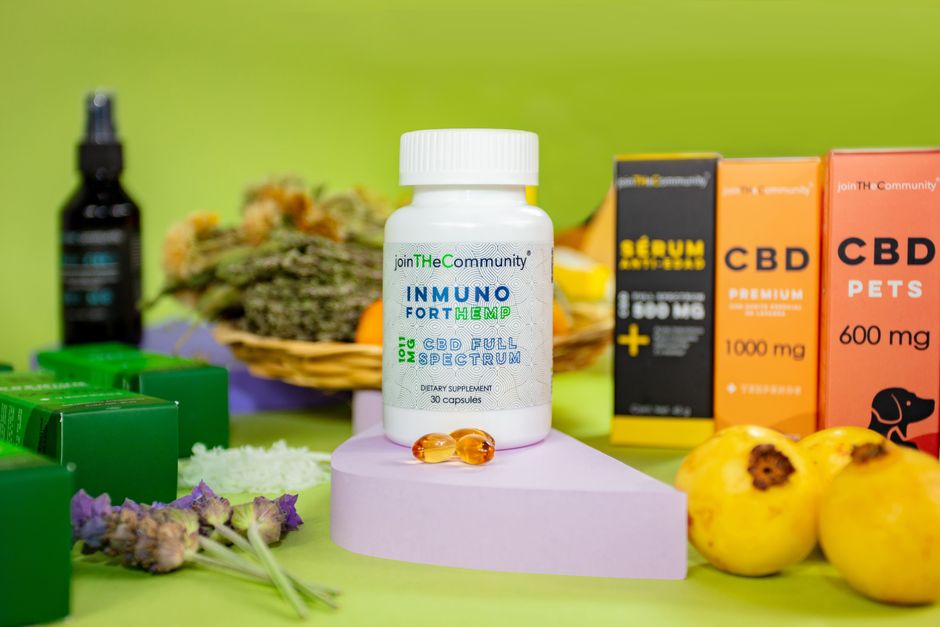
CBD oil starts as a flowering hemp plant and ends as a bottled extract after a multi-step process of harvesting, drying, extraction, and refinement. The entire journey moves from the farm field to a laboratory, where the raw plant material is processed to separate the beneficial compounds from the plant fiber and waxes. Understanding this process matters because it explains why CBD oils differ so much in quality, purity, and price.
What Part of the Hemp Plant Is Used for CBD Oil?
CBD is concentrated in the flowers and leaves of the hemp plant, not the stalks or seeds. The flowers are the resinous parts of the plant that contain the highest concentration of cannabinoids, including CBD. These are the parts that get harvested and processed.
Hemp stalks contain very little CBD. Hemp seeds contain almost none. If a product claims to be CBD oil made from seeds, it is either mislabeled or it is actually hemp seed oil, which is a different product entirely. Hemp seed oil is a nutritious cooking oil, but it does not contain meaningful amounts of CBD.
Industrial hemp is grown specifically for its CBD content. The plants are bred to produce high levels of CBD and very low levels of THC, the psychoactive compound found in marijuana. In the United States, hemp must contain no more than 0.3% THC by dry weight to be legally grown and processed.
How Is Hemp Harvested and Prepared for Extraction?
Hemp is typically harvested when the flowers reach peak cannabinoid production, which usually happens in late summer or early fall. The timing matters. Harvest too early and the CBD content will be low. Harvest too late and the plant may degrade or lose potency.
Once harvested, the plant material must be dried. Fresh hemp contains a large amount of water, which interferes with the extraction process. Drying usually takes several days to a couple of weeks, depending on the climate and the drying method used. The goal is to reduce moisture content without exposing the plant to excessive heat or light, which can degrade cannabinoids.
After drying, the flowers and leaves are separated from the stalks. The plant material is then ground or chopped into smaller pieces. This increases the surface area, which makes the extraction process more efficient. The prepared plant material is now ready for the next step.
What Extraction Methods Are Used to Make CBD Oil?
There are several ways to extract CBD from hemp, and the method significantly affects the quality of the final product. The most common method is carbon dioxide extraction, often called CO2 extraction.
CO2 extraction uses pressurized carbon dioxide to pull cannabinoids and other compounds from the plant material. The CO2 acts as a solvent, but it leaves no toxic residue because it evaporates completely. This method is considered the gold standard in the industry because it is precise, safe, and produces a clean extract. It is also the most expensive method, which is why CO2-extracted oils tend to cost more.
Ethanol extraction is another common method. In this process, the plant material is soaked in food-grade ethanol, which dissolves the cannabinoids. The ethanol is then evaporated off, leaving behind the extract. Ethanol extraction is effective and less expensive than CO2 extraction, but it can also pull out more unwanted compounds, such as chlorophyll, which gives the oil a darker color and a harsher taste.
Some manufacturers use hydrocarbon solvents like butane or propane. These solvents are highly efficient at extracting cannabinoids, but they carry safety risks. If not completely removed, residual solvents can remain in the final product. Reputable manufacturers test for residual solvents, but lower-quality producers may not.
Olive oil extraction is a simple, food-safe method that some small producers use. It involves heating the plant material in olive oil to draw out the cannabinoids. This method is safe and easy, but it produces a less concentrated product that has a shorter shelf life. It is rarely used for commercial products because the resulting oil is not as potent or stable.




What Happens After Extraction?
Raw extract coming out of the extraction process is not the finished oil you buy in a bottle. It contains a mix of cannabinoids, plant waxes, fats, and other compounds. The extract must be refined to remove unwanted materials and to concentrate the CBD.
The first step is often winterization. This process involves mixing the raw extract with ethanol and freezing it. The cold temperature causes the plant waxes and fats to solidify and separate from the oil. The mixture is then filtered to remove these solids. Winterization produces a cleaner, more concentrated extract.
After winterization, the extract may undergo decarboxylation. This is a heating process that converts CBDA, the acidic form of CBD found in raw hemp, into active CBD. Raw hemp naturally contains CBDA, not CBD. Heat is required to trigger this chemical change. Without decarboxylation, the final product would have little active CBD.
Some manufacturers go further and use a process called distillation. Distillation purifies the extract further, removing remaining impurities and concentrating the CBD to higher levels. This can produce a distillate with over 80% CBD content. Some products are then formulated with added terpenes or other compounds to create specific effects or flavors.
Where Does Cbd Oil Come From Hemp To Finished Oil: The Final Steps
Once the extract is refined, it is mixed with a carrier oil to create the final product. CBD extract is highly concentrated and difficult to dose accurately on its own. Carrier oils make it easier to measure and consume.
Common carrier oils include MCT oil, which is derived from coconut oil, and hemp seed oil. MCT oil is popular because it is flavorless and easily absorbed by the body. Hemp seed oil is also used, though it has a nuttier flavor and a shorter shelf life.
The mixture is then tested by a third-party laboratory. This testing checks for CBD and THC content, as well as for contaminants like pesticides, heavy metals, mold, and residual solvents. Only after passing these tests is the oil bottled and labeled for sale.
Quality varies widely across the industry. A reputable brand will provide a certificate of analysis, or COA, for each batch of oil. This document shows the actual test results and confirms that the product contains what the label claims. If a brand does not offer a COA, that is a warning sign.
Does the Source of Hemp Matter?
Yes. The quality of the hemp plant directly affects the quality of the oil. Hemp is a bioaccumulator, which means it absorbs compounds from the soil it grows in. If the soil contains heavy metals or pesticides, the plant will absorb them, and those contaminants can end up in the final oil.
Hemp grown in clean, well-managed soil produces cleaner extracts. This is why many reputable manufacturers source their hemp from specific farms and regions with established agricultural standards. Organic certification is not required, but it is a useful indicator that the hemp was grown without synthetic pesticides or fertilizers.
The time between harvest and extraction also matters. Fresh hemp that is processed quickly tends to produce higher-quality oil. Hemp that sits for long periods after harvest can degrade, losing potency and developing off flavors.
Is Full-Spectrum, Broad-Spectrum, or Isolate Better?
These terms describe what is in the final oil beyond CBD. They are not quality ratings, but they do affect how the oil works.
Full-spectrum oil contains CBD plus all the other compounds found in the hemp plant, including trace amounts of THC. The THC level must stay below 0.3% to be legal. Some research suggests that these compounds work together in what is called the entourage effect, where the combination of compounds may be more effective than CBD alone. The evidence for this effect is mixed, and more research is needed.
Broad-spectrum oil contains CBD and other hemp compounds, but the THC has been removed. This is a good option for people who want the potential benefits of the entourage effect without any THC exposure.
CBD isolate is pure CBD with no other hemp compounds. It is typically sold as a crystalline powder or mixed with a carrier oil. Isolate is the simplest option and contains no THC. For people who are subject to drug testing, isolate is the safest choice because it contains no detectable THC.
There is no single best option. The right choice depends on your needs, your tolerance for THC, and your reasons for using CBD.
How Should You Choose a CBD Oil Product?
Start by reading the label carefully. Look for the total CBD content in milligrams and the serving size. A product that lists 500 mg of CBD per bottle is different from one that lists 500 mg per serving. Check the certificate of analysis to confirm the numbers are accurate.
Check the extraction method. CO2 extraction is the safest and cleanest method. If the label does not state the extraction method, contact the company and ask. A reputable company will answer clearly.
Be skeptical of health claims. CBD is studied for conditions like chronic pain, anxiety, and epilepsy, but the evidence is not uniform across all conditions. The FDA has approved only one CBD-based drug, Epidiolex, for certain forms of severe epilepsy. No other CBD product has been approved by the FDA to treat any medical condition. Any product that promises to cure or treat a disease is making claims that are not supported by evidence.
Start with a low dose if you decide to try CBD. The appropriate dose varies widely between individuals, and no universal dosing guideline exists for most conditions. Some clinicians recommend starting low and increasing gradually, but this is general practice, not a formal guideline.
Frequently Asked Questions
Is CBD oil the same as hemp seed oil?
No. CBD oil is extracted from the flowers and leaves of the hemp plant and contains CBD. Hemp seed oil is pressed from the seeds and contains no significant amount of CBD.
Does CBD oil contain THC?
Full-spectrum CBD oil contains trace amounts of THC up to 0.3%, which is legal under federal law. Broad-spectrum oil and CBD isolate contain no THC.
How long does it take to feel the effects of CBD oil?
Effects typically begin within 30 to 60 minutes when taken under the tongue. Results vary based on body weight, metabolism, and the dose used.
Can CBD oil make you fail a drug test?
Full-spectrum CBD oil can cause a positive drug test because it contains trace THC. CBD isolate and broad-spectrum oil are less likely to trigger a positive result, but cross-contamination is possible with poorly manufactured products.
