
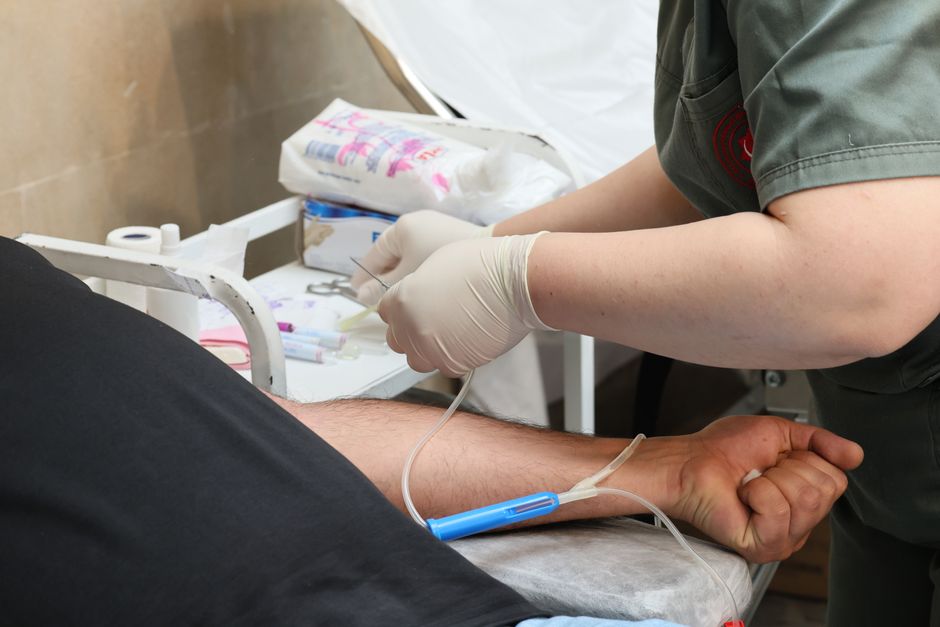
If you need help coming off alcohol, opioids, benzodiazepines, or another substance, the fastest way to find outpatient detox near you is to call the Substance Abuse and Mental Health Services Administration (SAMHSA) National Helpline at 1-800-662-4357. It is free, confidential, and runs 24 hours a day. You can also search SAMHSA’s online treatment locator, call your state’s substance abuse authority, or ask a hospital emergency department for a referral to a hospital-run outpatient detox program. Outpatient detox through a hospital usually means you visit a clinic or medical office for assessment and medication, then go home the same day.
What Does Outpatient Detox From a Hospital Actually Involve?
Hospital outpatient detox is medical supervision of withdrawal without an overnight stay. You come in, get evaluated, receive medication if needed, and return home. You may come back daily or several times a week depending on the substance and your risk level.
The first step is almost always a clinical assessment. A doctor or nurse checks your vital signs, takes a history of your substance use, screens for other health conditions, and decides whether outpatient care is safe for you. That decision matters. Some withdrawals can be dangerous, and not everyone is a candidate for going home between visits.
For opioids, outpatient detox often involves medications that ease withdrawal symptoms and reduce cravings. For alcohol, it typically involves benzodiazepines under medical supervision, plus thiamine (vitamin B1) and other supportive care. For benzodiazepine dependence, withdrawal can be serious and is usually tapered slowly rather than stopped abruptly.
What hospital outpatient detox is not: a place to simply sleep it off, and not a cure on its own. Detox manages withdrawal. It does not treat the underlying substance use disorder. Most clinicians describe detox as a first step, not a finish line.
Where Can I Go To Detox Hospital Outpatient More?
Hospitals offer outpatient detox in several settings, and knowing the difference helps you ask the right questions. Most large medical centers have an addiction medicine department or a behavioral health service that can point you to the right door.
- Hospital addiction medicine clinics: Many teaching hospitals and larger medical centers run outpatient clinics that manage withdrawal and connect you to ongoing treatment.
- Hospital-affiliated behavioral health centers: These often combine detox with counseling and medication management.
- Emergency department referrals: If you are in crisis, an ER can stabilize you and refer you to an outpatient program. The ER is not a detox program, but it is a legitimate starting point.
- State-licensed treatment programs: SAMHSA’s locator lists federally and state-licensed facilities, including those run by hospitals.
One clarification worth knowing: “detox” and “rehab” are not the same thing, and hospitals often separate them. Detox is the short medical phase. Rehab or ongoing treatment is the longer behavioral and medication phase. When you call a hospital, ask specifically for withdrawal management or detox services, because the reception desk may otherwise route you to general behavioral health.
Is Outpatient Detox Safe, or Do I Need Inpatient Care?
Outpatient detox is safe for many people, but it is not safe for everyone. The honest answer depends on the substance, how much you have been using, your health, and your home environment.
Alcohol and benzodiazepine withdrawal can, in severe cases, cause seizures, dangerous heart rhythm changes, and a condition called delirium tremens, which is a medical emergency. These are the withdrawals most likely to require inpatient monitoring. Opioid withdrawal is extremely uncomfortable but rarely life-threatening in healthy adults, which is part of why outpatient opioid detox is common.
Clinicians generally consider outpatient detox appropriate when you have a stable home, someone who can check on you, reliable transportation, no serious coexisting medical or psychiatric conditions, and a history of mild to moderate withdrawal. Inpatient or residential care is usually recommended when you have had severe withdrawal before, have significant heart, liver, or lung disease, are pregnant, or lack a safe place to recover.
This is a clinical judgment, not something you should make alone. If you are unsure, ask a doctor to assess your risk before you try to stop at home.
What Should I Bring and Ask When I Call?
A short, prepared phone call saves time. When you contact a hospital or program, have a few facts ready: what substance you use, how much and how often, how long you have used it, whether you have had withdrawal before, and any medical conditions or medications.
Ask these questions directly:
- Does this program provide medical detox, or only counseling?
- Who supervises withdrawal, and are they available after hours?
- What medications are used, and are they covered by insurance?
- What happens if my withdrawal becomes severe at home?
- How do you connect me to ongoing treatment after detox?
Insurance and cost are real barriers, so ask about sliding-scale fees and Medicaid acceptance early. SAMHSA’s helpline can also help you find programs regardless of ability to pay.
What Happens After Detox Ends?
Detox alone has a high rate of return to use, which is why clinicians treat it as preparation rather than treatment. The period right after withdrawal is when relapse risk is often highest, because tolerance has dropped and the same dose you used before can now be dangerous.
Evidence consistently shows that ongoing treatment improves outcomes. That can include medication for opioid use disorder, medication-assisted treatment for alcohol use disorder, counseling, peer support, and regular medical follow-up. The specific plan depends on your situation, but the key point is that leaving detox without a next step is a well-recognized risk.
Ask your program for a written aftercare plan before you leave. If they cannot provide one, that is worth knowing.
Can I Detox at Home Instead?
Some people try to detox at home without medical help. For opioids, this is uncomfortable but often not medically dangerous for healthy adults, though it is still safer with medical guidance. For alcohol and benzodiazepines, unsupervised home detox can be genuinely dangerous because of seizure and delirium risk.
No clinical guidelines support going through alcohol or benzodiazepine withdrawal without medical supervision if you have moderate to heavy dependence. If you are considering stopping either substance, talk to a doctor first. This is one of the clearest cases where medical help is not optional caution but a real safety issue.
For any substance, having someone check on you, knowing the warning signs of severe withdrawal, and having a plan to get emergency care if things go wrong are basic precautions, not guarantees of safety.
Frequently Asked Questions
How do I find outpatient detox near me?
Call SAMHSA’s National Helpline at 1-800-662-4357 or use its online treatment locator to find licensed programs, including hospital-run ones. You can also ask a hospital emergency department or your state substance abuse authority for a referral.
Is hospital outpatient detox covered by insurance?
Many insurance plans cover medically supervised detox, and Medicaid often covers it as well. Coverage varies by plan and program, so confirm details directly with the facility before you start.
Can I detox from alcohol at home?
Unsupervised alcohol detox can be dangerous because of seizure and delirium risk, and no clinical guidelines support it for people with moderate to heavy dependence. Talk to a doctor before stopping alcohol if you are dependent.
How long does outpatient detox take?
Timelines vary widely by substance, dose, and individual health, so there is no single answer. Ask the specific program to explain its typical schedule and what follow-up it provides.
