
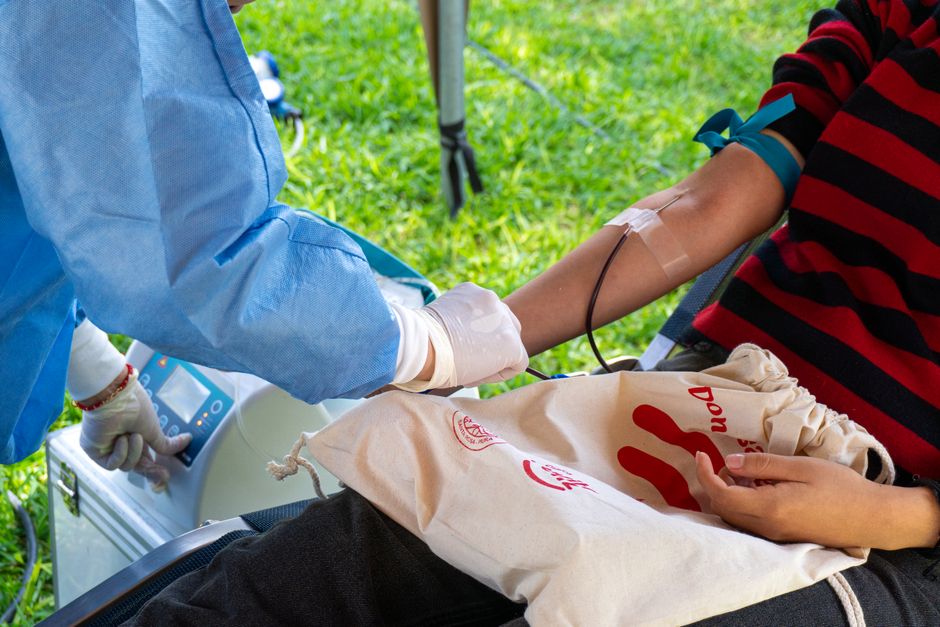
You can donate plasma at licensed collection centers across the US, and many of them pay donors for their time. Companies like CSL Plasma, BioLife, Grifols (Biomat), Octapharma, and KEDPLASMA run hundreds of locations nationwide. Payment varies by center, donation frequency, and promotions, and eligibility depends on age, weight, health, and identification requirements.
The rules are set by the FDA and by each company, not by a single national standard. That means the same person might qualify at one center and not another. Here is how donation, payment, and eligibility actually work.
Where Can I Donate Plasma Centers Pay Eligibility?
Payment for plasma donation is legal and common in the US. The FDA regulates plasma collection, and it permits centers to compensate donors. Most large centers pay through a reloadable debit card rather than cash or a check.
Where you donate matters for how much you receive. Payment is set by each company and each location, and it can change based on local demand and current promotions.
Common US plasma companies with paid donation programs include:
- CSL Plasma — one of the largest networks, with centers in most states
- BioLife Plasma Services — owned by Takeda, with a broad national footprint
- Grifols (Biomat USA and others) — a major global plasma supplier
- Octapharma Plasma — operates centers under several brand names
- KEDPLASMA — part of the Kedrion group
Many centers run new-donor promotions. These often pay more for the first several donations than for later ones. A center may advertise a higher total for a new donor’s first month, then drop to a standard rate. Read the fine print before you count on a specific amount.
One point people often miss: plasma collected for pay in the US is used to make medicines, not for direct transfusion to a patient. That is a key reason the paid model exists here. In many other countries, paying donors for plasma is restricted or banned, which is why the US supplies a large share of the world’s plasma-derived therapies.
What Are the Basic Eligibility Requirements to Donate Plasma?
Eligibility rules are fairly consistent across major US centers, though details vary. The FDA sets the federal framework, and each company adds its own screening.
Most centers require you to:
- Be at least 18 years old (a small number of states allow 16 or 17 with parental consent)
- Weigh at least 110 pounds (50 kg)
- Be in generally good health and feeling well on the day of donation
- Provide a valid government-issued photo ID
- Provide proof of your current address
- Provide your Social Security number for identity and tracking purposes
The 110-pound minimum is not arbitrary. Plasma volume and the amount of fluid removed during a donation scale with body weight. Below that threshold, the risk of a reaction such as lightheadedness or fainting rises. Centers take this seriously and will turn away donors who fall short.
You will also complete a health questionnaire and a physical exam at your first visit. Staff check your blood pressure, pulse, temperature, and hemoglobin or protein levels. These are done every time you donate, not just once.
What Health Conditions or Medications Disqualify You?
Some health conditions and medications will keep you from donating. The list is long, and it changes as new information about bloodborne infections and drug safety emerges.
Common reasons a person may be deferred include:
- Certain infections, including HIV, hepatitis B or C, and syphilis
- Recent tattoos or piercings, depending on where and how they were done
- Recent travel to areas with certain infectious disease risks
- Some cancers and organ transplant history
- Certain blood thinners and other medications
- Pregnancy or recent childbirth
Medication rules deserve a clear warning. Do not stop a prescribed medicine to qualify for donation. That is a decision for your doctor, not a donation center. If a medication disqualifies you, the center will tell you. Ask your own clinician before changing anything.
Some deferrals are temporary. A recent illness, a new tattoo at an unregulated shop, or a short course of certain drugs may lead to a waiting period rather than a permanent ban. The center’s medical staff makes the final call after reviewing your history.
How Much Do Plasma Centers Pay, and How Does It Work?
Compensation is usually framed as payment for your time and the inconvenience of donating, not as a purchase of your plasma. In practice, donors receive money on a card after each completed donation.
Typical pay structures work like this:
- A set amount per donation, often higher for the first donation of a week
- New-donor bonuses spread across the first several visits
- Referral bonuses when you bring in a friend who donates
- Occasional loyalty or return-donor promotions
I am not going to quote a specific dollar figure. Payment rates vary widely by location and change often, and a number I give could be wrong by the time you read it. Check the specific center’s website or call before you go.
The debit card detail matters. Many centers load funds onto a reloadable card rather than handing over cash. Some cards carry fees or restrictions on ATM withdrawals. Ask how the card works so you are not surprised later.
How Often Can You Donate Plasma, and What Does It Do to Your Body?
US guidelines allow plasma donation up to twice in a seven-day period, with at least one day between donations. This is more frequent than whole-blood donation, which is limited to roughly every eight weeks.
The reason plasma can be donated more often is that your body replaces it relatively quickly. Plasma is mostly water with proteins and dissolved substances. After donation, the volume is largely restored within about a day or two as you drink fluids, while the proteins take longer to rebuild.
That said, frequent donation is not free of effects. Some donors notice:
- Fatigue or lightheadedness, especially if they are underhydrated
- Bruising or soreness at the needle site
- Lower protein levels over time, which centers monitor
Centers check your protein and hemoglobin levels regularly for exactly this reason. If levels drop too low, you will be asked to wait before donating again. This is a safety check, not a punishment.
Hydrate well before and after donating, and eat a normal meal beforehand. These steps are widely recommended by centers and are reasonable, though they are general guidance rather than a proven method for preventing every reaction.
What Should You Bring and Expect on Your First Visit?
Your first visit takes longer than later ones, often a couple of hours, because of screening and paperwork. Plan for it.
Bring:
- Government-issued photo ID
- Proof of address, such as a utility bill or lease
- Your Social Security number
- A list of any medications you take
You will answer a health questionnaire, have a brief physical, and get your vitals checked. If you pass, you move to the donation itself. A needle is placed in a vein in your arm, blood is drawn, plasma is separated out by a machine, and the remaining blood cells are returned to you. The process repeats a few cycles. Most of the donation time is spent sitting with the machine.
Afterward, you may feel tired. Many centers ask you to rest briefly and have a snack before leaving. Avoid heavy lifting or intense exercise for the rest of the day if you feel drained.
Are There Risks to Donating Plasma for Pay?
Plasma donation is generally considered safe for healthy adults when centers follow proper procedures. The equipment is sterile and single-use, so the risk of catching an infection from the process is very low.
The more common issues are minor and short-lived. Lightheadedness, fainting, bruising, and soreness at the needle site are the usual complaints. Serious complications are uncommon but not zero.
There is a financial angle worth being honest about. Some people rely on plasma payment as regular income. That can create pressure to donate more often than is healthy, or to donate when unwell. Centers screen for this, but the incentive exists. If you are donating to make ends meet, treat the frequency limits as firm, not flexible.
Citrate is used in the collection process to keep blood from clotting in the tubing. Some donors feel a tingling around the mouth or in the fingers during donation. Tell staff if this happens. They are trained to manage it.
Frequently Asked Questions
Can you get paid to donate plasma in every US state?
Paid plasma donation is available in most states, but a small number have restrictions or no licensed centers. Check for a center near you before assuming payment is available.
How much do plasma centers pay per donation?
Payment varies by company, location, and current promotions, so there is no single national rate. Contact a specific center for its current pay structure.
What is the minimum weight to donate plasma?
Most US centers require a minimum weight of 110 pounds (50 kg). This threshold is set because plasma volume and reaction risk scale with body weight.
Can you donate plasma if you take medication?
It depends on the medication, and some drugs disqualify donors. Never stop a prescribed medicine to qualify; ask the center and your own doctor first.
