
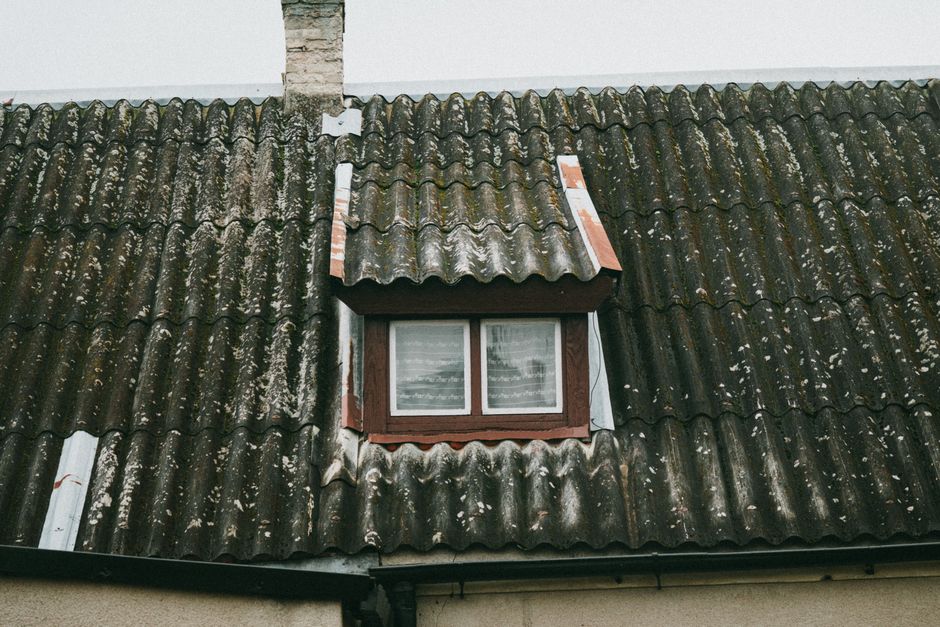
Asbestos was used in hundreds of building products in American homes between roughly 1900 and the late 1980s. It shows up in insulation, floor tiles, roof shingles, ceiling textures, pipe wrap, and even some adhesives and cements. The materials that are dangerous are the ones that can crumble, flake, or release dust when disturbed. Intact, sealed asbestos is generally not considered a health risk in place.
The word “asbestos” covers six naturally occurring minerals that form long, thin fibers. Those fibers are strong, heat-resistant, and cheap, which is why manufacturers used them in so many products. The health concern comes from breathing the fibers in, not from touching or living near the material.
Where Asbestos Was Used In Homes And Which Are Dangerous?
The danger depends on the condition of the material, not just its location. Asbestos-containing products fall into two broad categories: those that can easily release fibers and those that generally do not.
Friable materials crumble under hand pressure. These are the higher-risk products because they shed fibers into the air with minimal disturbance. Examples include loose-fill attic insulation, spray-applied ceiling and wall texture, and old pipe and boiler insulation.
Non-friable materials are firm and bound together with cement, vinyl, or asphalt. Floor tiles, roofing shingles, and siding usually fall here. They can still become a problem if cut, sanded, drilled, or broken apart.
Here is a breakdown of common locations and their typical risk profile:
| Location | Common Material | Typical Risk |
|---|---|---|
| Attic | Loose-fill insulation, vermiculite | High if disturbed |
| Ceilings and walls | Sprayed “popcorn” texture, joint compound | High if scraped or sanded |
| Basement and utility areas | Pipe wrap, boiler insulation, furnace tape | High if frayed or removed |
| Floors | Vinyl tiles, sheet flooring, backing, mastic | Low if intact, higher if sanded or torn |
| Roof | Shingles, felt, flashing cement | Low if intact, higher if cut or ground |
| Exterior | Cement siding, some stucco | Low if intact, higher if sawed or broken |
Age matters too. Homes built before the 1980s are far more likely to contain these materials. The U.S. banned several asbestos applications in the 1970s, and most uses were phased out by the late 1980s. But products already installed stayed in place, and some limited uses were never fully banned.
Which Asbestos Materials Are the Most Dangerous?
Loose and spray-applied asbestos is the most dangerous because it releases fibers easily. If you have ever seen fluffy gray insulation in an old attic or a textured ceiling that crumbles when touched, that is the kind of material public health agencies single out for the highest concern.
The reason is simple. Fibers that are already loose or lightly bound can become airborne from a draft, a footstep, or a repair job. Once airborne, the smallest fibers can stay suspended for a long time and travel through a house.
Pipe and boiler insulation in older homes is another high-risk category. It often looks like white or gray wrapping that has dried out and started to flake. Taping over small tears is sometimes done to keep fibers contained, but this is a temporary measure, not a permanent fix.
Materials like vinyl floor tiles and asphalt shingles sit at the other end. They are not harmless, but they do not shed fibers on their own. The risk rises sharply when someone cuts, sands, or chips them without protection.
How Do Asbestos Fibers Affect Your Health?
Breathing asbestos fibers is the only route that has been clearly linked to disease. The fibers can lodge in the lungs and, over years, cause inflammation and scarring. This is a slow process. Symptoms from asbestos-related disease typically appear many years after exposure, often decades later.
The three conditions most strongly tied to asbestos exposure are:
- Asbestosis — scarring of lung tissue that causes shortness of breath and a dry cough.
- Lung cancer — asbestos exposure raises lung cancer risk, especially in people who also smoke.
- Mesothelioma — a rare cancer of the lining around the lungs and abdomen, strongly associated with asbestos.
Not everyone exposed gets sick. Risk depends on how much fiber was breathed in, how long the exposure lasted, and individual factors like smoking. The link between heavy occupational exposure and these diseases is well established. The risk from a single brief exposure in a home is much lower and harder to quantify.
One point worth clarifying: asbestos in good condition that is left alone is generally not considered a hazard. The problem almost always starts when the material is disturbed.
When Should You Leave Asbestos Alone vs. Remove It?
If the material is intact, the usual guidance is to leave it in place and monitor it. Removal itself can release fibers if it is done poorly, so disturbing a stable material can create a risk where none existed.
Removal becomes more reasonable when the material is damaged, crumbling, or in a spot where it will be disturbed by renovation. The decision usually comes down to condition and location rather than the mere presence of asbestos.
Signs that call for attention include:
- Visible fraying, cracking, or crumbling
- Water damage or deterioration
- Planned renovation, demolition, or repair in that area
- Debris or dust that may contain fibers
For small, intact items, some homeowners choose to seal or encapsulate the material rather than remove it. For anything friable or extensive, professional assessment is the safer path. This is not a do-it-yourself job when the material is loose or easily crumbled.
How Can You Tell If Your Home Has Asbestos?
You usually cannot tell by looking. Many asbestos-containing materials look identical to ones that do not contain it. The only reliable way to know is laboratory testing of a sample.
If you suspect a material, the standard approach is to have a small sample tested by an accredited lab. Because taking a sample can release fibers, this is often done by a trained professional, especially for friable materials.
Homes built before the 1980s carry the highest likelihood. If you are planning a renovation and the home is older, testing before you start is the practical step. Disturbing unknown material during a remodel is one of the most common ways homeowners get exposed.
Manufacturer records and building dates can offer clues, but they are not a substitute for testing. Two homes built the same year can have different materials.
What Should You Do If You Find Asbestos in Your Home?
Do not panic, and do not start tearing things out. The first step is to avoid disturbing the material. Keep people, pets, and activity away from the area until you know what you are dealing with.
If the material is damaged or you plan to renovate, contact a licensed asbestos professional for an assessment. Many states regulate asbestos abatement, and reputable contractors follow specific containment and disposal procedures.
If removal is needed, it should be done by trained workers using proper containment, protective equipment, and safe disposal. Improper removal can spread fibers through the home and create a larger problem than the one you started with.
For intact material that is not going to be disturbed, monitoring and leaving it alone is often the recommended course. Recheck it periodically for signs of wear or damage.
What Does the Evidence Say About Low-Level Home Exposure?
The strong evidence links disease to heavy, repeated occupational exposure. The picture for low-level, occasional home exposure is less clear, and honest researchers say so.
This does not mean home exposure is safe. It means the risk is much smaller and harder to measure than the risk faced by workers in shipyards, mills, and factories. The absence of a clear number is not proof of zero risk.
The practical takeaway is precaution, not fear. Avoid disturbing suspect materials. Test before renovating. Use professionals when the material is friable. Those steps reduce exposure regardless of how the exact risk numbers shake out.
Frequently Asked Questions
Where was asbestos commonly used in homes?
It was used in attic and pipe insulation, spray-on ceiling and wall texture, vinyl floor tiles, roofing shingles, siding, and some cements and adhesives. Homes built before the 1980s are the most likely to contain these materials.
Which asbestos materials are the most dangerous?
Friable materials that crumble easily, such as loose-fill insulation and spray-applied texture, are the most dangerous because they release fibers with little disturbance. Intact floor tiles and shingles are lower risk unless they are cut, sanded, or broken.
Is asbestos in a home dangerous if it is not disturbed?
Intact, sealed asbestos is generally not considered a health risk while it stays in place and undamaged. The hazard comes from fibers becoming airborne when the material is disturbed or deteriorates.
Can you tell if something contains asbestos just by looking at it?
No, most asbestos-containing materials look the same as ones that do not contain it. The only reliable way to know is laboratory testing of a sample, often collected by a trained professional.
